Growing your hair out takes commitment. There are awkward in-between stages, the occasional split-end situation, and approximately a million times you've considered cutting it all off before deciding you're not quite ready. So when your long hair starts feeling a little flat, heavy, or just plain boring, a major chop isn't your only option.
A smart haircut can make a surprising difference without taking away the length you've worked so hard to grow. The trick is finding the right kind of layers, shaping, or fringe for your hair's natural texture and the way you actually like to wear it. Maybe you want a bouncy, '90s-inspired blowout. Maybe you'd rather bring out your natural curls or give your waves a little more definition. Either way, there's a long haircut that can make your hair feel like new again.
Here are the styles worth bringing to your next salon appointment, plus exactly what to ask for so you and your stylist are on the same page.
Long Layers
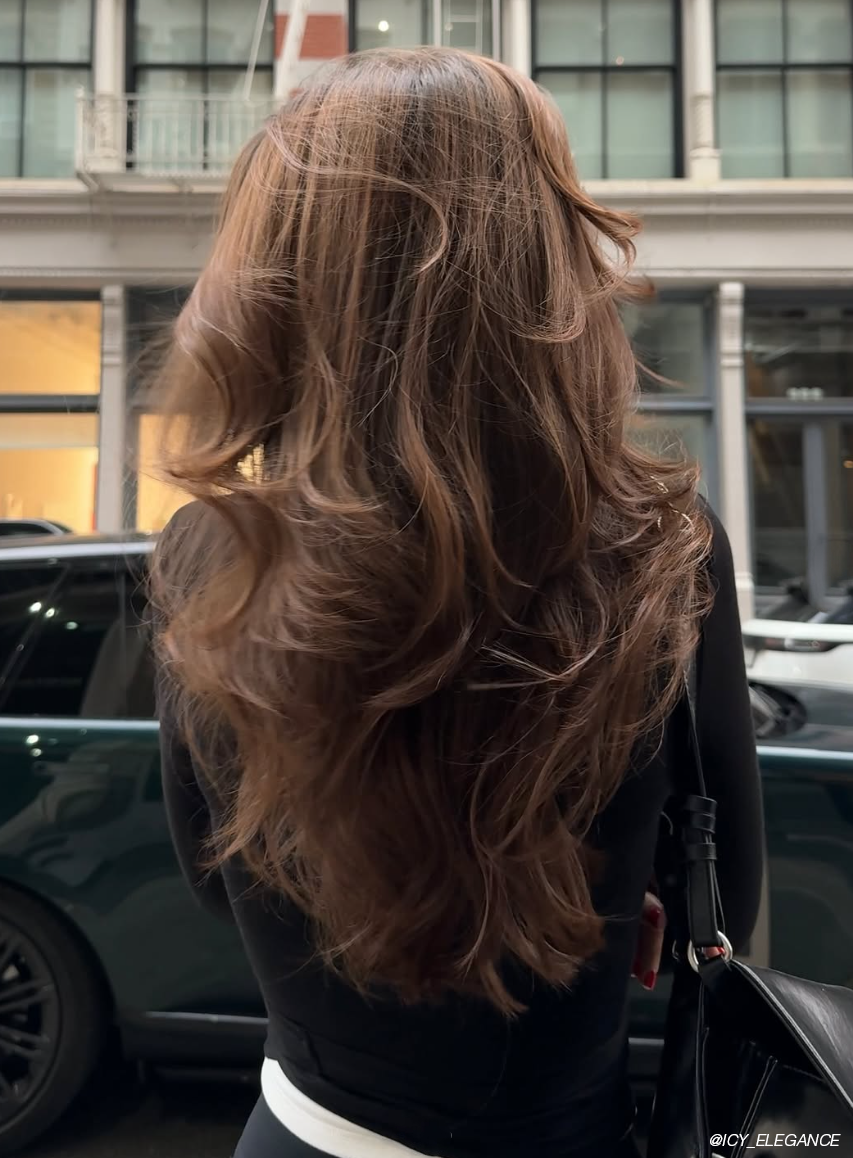
Long layers are the classic for a reason. They add movement and take some of the weight out of long hair without dramatically changing its overall shape. Instead of having all your hair fall to one length, the layers create subtle dimension throughout, helping the ends move more freely and giving the haircut a little more personality.
This is especially helpful if you have thick or dense hair that tends to feel heavy, or if your hair looks like one solid curtain no matter how you style it. Fine hair can benefit from long layers, too, but placement is everything. Too many layers can make already delicate ends look thinner, so a more conservative approach is usually best.
If your hair is naturally wavy or curly, layers can help your texture spring up and take shape instead of getting weighed down. Just remember that curls shrink as they dry, so your stylist should account for that before deciding how short to go.
Face-Framing Layers
Think of face-framing layers as the haircut equivalent of finding the perfect pair of jeans: a small adjustment that makes everything look more intentional. These shorter pieces around the front of the hair soften the overall shape, highlight your features, and give long hair a little lift without requiring layers throughout the back.
You can keep the framing subtle, with pieces that start around the collarbone, or go shorter around the cheekbones and jawline for a more noticeable effect. Longer pieces are especially easy to style and blend into ponytails, while shorter ones create that pretty, swooping movement around the face.
This cut works across hair types, but the approach should change depending on your texture. On straight hair, face-framing layers can create a soft, sweeping shape. On wavy hair, they add movement and dimension. For curls and coils, a stylist experienced with textured hair can shape the front without disrupting the overall curl pattern. If you wear your hair naturally, ask to have the framing considered in its dry, shrunken state rather than relying only on its stretched length.
The Butterfly Cut
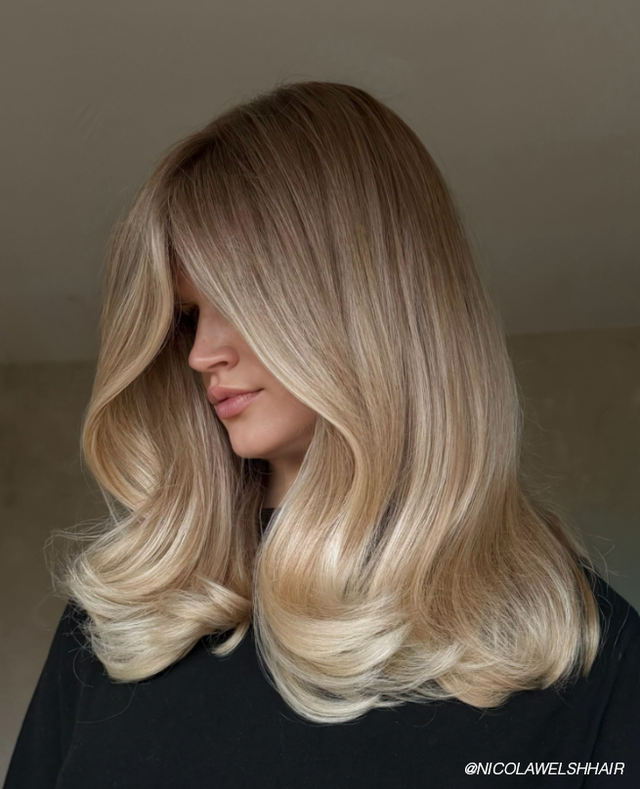
The butterfly cut has a clever little trick: It creates the appearance of a shorter, fuller haircut around the face while leaving plenty of length in the back. The style combines shorter, voluminous layers around the crown and front with longer layers underneath, creating a cascading shape that looks especially bouncy when styled.
If you love a big blowout, this is your moment. The shorter layers give the hair that signature swoop and lift, while the longer pieces keep the overall look from feeling too short. It's a great option for medium-to-thick hair that can support the layered shape, although fine hair can wear a softer, less heavily layered version.
Waves and loose curls can give the butterfly cut a more relaxed, undone finish, while tighter curl patterns may need a customized approach to prevent the shorter layers from creating too much volume in one area. And if you're someone who air-dries most days, be realistic about the styling commitment. The butterfly cut's signature shape tends to be more noticeable with a little help from a blow-dryer, round brush, or rollers.
The U-Shaped Cut
Not every haircut needs a full set of layers to make an impact. The U-shaped cut is all about the perimeter, with the hair gradually curving shorter at the sides and staying longest in the center. From the back, the ends form a soft U rather than a straight, blunt line.
It's a particularly good choice if you love the look of long, full hair but want something with a little more shape. The curved outline gives the ends a softer finish and can make the hair look more polished without removing much length. It's also a smart option for fine hair, since it doesn't require taking away too much density through the interior.
Thick, wavy, and curly hair can all benefit from this shape, too. The curve can help the ends fall more naturally, especially when the hair has a tendency to form a triangular silhouette. For curls, your stylist may need to adjust the perimeter based on how the hair shrinks and where the curls naturally sit.
The '90s Supermodel Cut
If your hair inspiration folder is full of Cindy Crawford blowouts, big hair, and impossibly bouncy layers, meet your next haircut. The '90s supermodel cut is all about volume, movement, and a little bit of drama. It features cascading layers, shorter pieces around the face, and feathered ends that create that signature full-bodied shape.
This cut is especially flattering on medium-to-thick hair, since there's enough density to support all those layers. Fine hair can absolutely get in on the fun, too, with a more restrained version that keeps the ends looking full. Natural waves can give it a softer, more effortless finish, while curls can make the layers feel especially voluminous and playful.
The one thing to know? This is a haircut that likes a little styling. A round brush, blow-dry brush, or hot rollers can help bring out the swooping layers, but you don't have to recreate a full salon blowout every morning. A few strategically placed bends can be enough to give the cut its signature movement.
Long Hair With Curtain Bangs
If you're craving a change but aren't ready to commit to a dramatically different haircut, curtain bangs are a pretty convincing compromise. These longer, parted bangs sweep away from the forehead and blend into the rest of your hair, creating a soft frame around the face. They're a little more relaxed than a full fringe and can be styled in several ways, from a polished swoop to a messier, undone finish.
Curtain bangs work on straight, wavy, and curly hair, but the length and shaping need to account for your natural texture. Waves can give them an effortless bend, while curls can turn them into a statement-making frame. If you have a tighter curl pattern, make sure your stylist has experience cutting bangs for curls and understands how much they will spring up when dry.
One thing to consider before booking: bangs require more upkeep than long layers. The front pieces tend to grow out quickly, and you may need occasional trims to keep them at the right length. They're also more likely to need a little styling, particularly if you have a stubborn cowlick or prefer a very specific part.
The Long Shag
For anyone who wants their long hair to have a little more edge, the long shag is a welcome departure from perfectly blended layers. This cut features shorter, choppier layers throughout, often paired with a fringe or curtain bangs, creating a textured silhouette that feels cool without looking overly styled.
The shag is especially good for naturally wavy hair, since the layers help bring out texture and movement. Curly hair can also look incredible with this shape, particularly when the layers are customized to the curl pattern. If you have fine or straight hair, you can still wear a softer version, although you'll likely want a little texturizing product to give those layers more definition.
Unlike the supermodel cut, which leans into polished volume, the shag is at its best when it looks a little undone. Think air-dried waves, piecey texture, and a fringe that doesn't need to behave perfectly. It's a great option if you like your hair to have some personality and don't want to spend every morning trying to make it look immaculate.
Long Layers for Natural Curls
Long hair and curls can be a beautiful combination, but without the right shape, all that length can weigh curls down and leave the ends looking fuller than the roots. A customized layered cut can help redistribute that volume, allowing curls to form more naturally and giving the overall shape a little lift.
The best approach depends on your curl pattern and density. Loose waves and curls may benefit from long, cascading layers, while tighter coils often need more deliberate shaping throughout to create balance and avoid an overly triangular silhouette. A rounded shape can be especially flattering, but it should be tailored to how much volume you like around your head.
If you wear your hair curly most of the time, look for a stylist who regularly cuts textured hair and understands shrinkage. Some stylists prefer to cut curls dry so they can see how each section naturally falls and where the finished length will land. It's also worth bringing photos of your hair styled the way you typically wear it, not just a reference photo of someone with a completely different texture.
How to Choose the Right Long Haircut for You
Before you settle on a haircut, think beyond the inspiration photo. The same butterfly cut can look completely different on fine, straight hair than it does on thick, curly hair, and a style that looks effortless in a salon photo may require more daily styling than you realize.
Start with your natural texture and density. Fine hair often looks best with fewer, more strategic layers that preserve fullness at the ends. Thick hair can usually handle more layering to remove weight and create movement. Wavy and curly hair benefit from shapes that work with the natural pattern rather than forcing every section into the same length.
Your styling habits matter just as much. If you love a blowout, a butterfly or supermodel cut might be right up your alley. If you prefer to air-dry, a long shag or customized curly layers may give you the movement you're looking for with less effort. And if you're someone who lives in a ponytail, make sure your stylist considers how the shorter layers and face-framing pieces will behave when pulled back.
Most importantly, be clear about how much length you're willing to lose. Bring inspiration photos, but also show your stylist what you don't want. Ask where the shortest layers will fall, how the cut will look air-dried, and whether it will require regular styling or frequent trims. A good consultation should leave you feeling excited about the change, not nervous about what might come off.