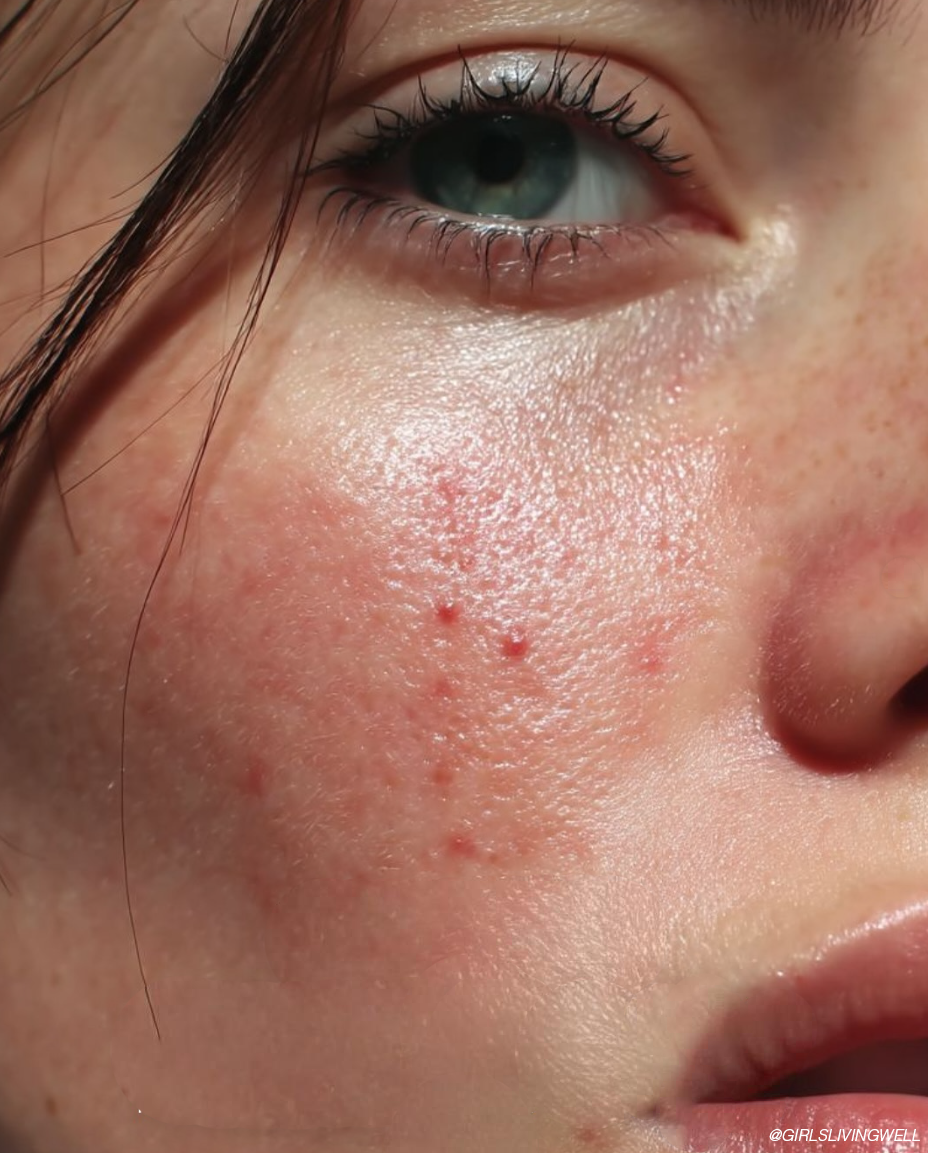
Rosacea has a way of keeping you on your toes. Your skin can look perfectly calm one day, then suddenly flush after a hot latte, a walk in the summer sun, or a stressful afternoon at work. For some, it's a persistent redness across the cheeks and nose. For others, it's tiny acne-like bumps, stinging, or a feeling that their skin is constantly on the verge of becoming irritated.
It’s also incredibly common, yet rosacea is often mistaken for sensitive skin, adult acne or simply “being prone to redness.” Managing it requires a slightly different approach. Rather than trying to fight your skin into submission, the goal is to understand what it reacts to and create a routine that keeps it feeling balanced.
Fortunately, building a rosacea-friendly routine doesn't have to mean giving up great skincare. It simply means being a little more intentional about what you use and when you use it.
What Is Rosacea?
Rosacea is a chronic inflammatory skin condition that most commonly affects the central part of the face, including the cheeks, nose, forehead and chin. It can appear as persistent redness, frequent flushing, visible blood vessels or acne-like bumps. Some people may also experience dryness, swelling, stinging or sensitivity, and symptoms can change over time.
Because rosacea can resemble acne, eczema or generally sensitive skin, it isn’t always easy to identify on your own. It also shows up differently across skin tones. Redness may be less visible on deeper complexions, while warmth, swelling, sensitivity or changes in skin texture can be more noticeable.
There are several forms of rosacea, and it is possible to experience symptoms associated with more than one. While skincare can help reduce irritation and support the skin barrier, rosacea is a medical condition. A dermatologist can provide a diagnosis and recommend treatment when symptoms are persistent or difficult to manage.
Why Does Rosacea Flare?
One of the trickiest things about rosacea is that there isn't a universal trigger. What causes one person's skin to flush may not affect someone else at all.
That said, a handful of culprits come up again and again. Heat is one of the biggest, whether it's from hot weather, saunas, steaming-hot showers, or even a mug of coffee. Sun exposure is another major trigger, which is why dermatologists consider sunscreen one of the most important products in any rosacea routine. Stress, spicy foods, alcohol, vigorous exercise, and sudden temperature changes can also cause the blood vessels near the surface of the skin to dilate, leading to redness and flushing.
Even skincare itself can contribute. Trying too many new products at once or layering several potent actives together can overwhelm skin that's already prone to inflammation.
Learning your own triggers takes time, but once you start recognizing patterns, flare-ups often become much easier to anticipate.
Build Your Routine Around Your Skin Barrier
If there's one word that comes up repeatedly in conversations about rosacea, it's "barrier."
Your skin barrier helps lock in moisture while protecting against outside irritants. When it's compromised, skin loses water more easily and becomes increasingly reactive, making redness, dryness, and stinging more noticeable.
That's why the best rosacea routines usually start with the basics: a gentle cleanser, a moisturizer that supports the skin barrier, and a daily sunscreen.
One moisturizer dermatologists frequently recommend is La Roche-Posay Toleriane Double Repair Face Moisturizer. Formulated with ceramides, glycerin, and niacinamide, it helps replenish moisture while supporting the skin's natural barrier without feeling heavy or greasy. For rosacea-prone skin, that consistent hydration can make a noticeable difference in how comfortable skin feels day to day.
Think of your moisturizer as daily maintenance rather than an occasional treatment. The more consistently you support your skin barrier, the better equipped it is to handle everyday stressors.
La Roche-Posay Toleriane Double Repair Face Moisturizer


Can You Still Use Active Ingredients?
The short answer is yes, but with a little more caution.
Having rosacea doesn't mean you need to avoid every active ingredient forever. It simply means choosing the right ones and introducing them slowly.
Azelaic acid is one of the standout ingredients for rosacea because it can help reduce visible redness while also targeting the acne-like bumps that often accompany flare-ups. It's one of the few ingredients that dermatologists routinely recommend specifically for rosacea, and prescription-strength versions are commonly used as part of treatment plans.
The Paula's Choice 10% Azelaic Acid Booster is a great over-the-counter option for those looking to incorporate the ingredient into their routine. Along with azelaic acid, it contains soothing ingredients that help brighten the complexion without relying on harsher exfoliating acids.
Paula's Choice 10% Azelaic Acid Booster

Beyond azelaic acid, ingredients like ceramides, centella asiatica, colloidal oatmeal, and green tea can all help support calmer-looking skin.
Retinol, vitamin C, and chemical exfoliants aren't necessarily off-limits, but they may require a slower introduction and should never all be started at the same time. If your skin is actively flaring, it's usually best to simplify your routine until things settle down.
How Do You Calm a Rosacea Flare-Up?
When your skin suddenly feels hot, flushed, or irritated, resist the temptation to throw every calming product you own at it.
Instead, pare your routine back to the essentials. Wash with a gentle cleanser, apply a nourishing moisturizer, and avoid introducing anything new until your skin has recovered.
It can also help to identify what triggered the flare in the first place. Maybe it was a long afternoon in direct sun, an especially spicy dinner, or an intense workout in the heat. Recognizing those patterns is often just as valuable as the skincare products themselves.
Above all, avoid scrubbing or trying to exfoliate the redness away. Rosacea isn't caused by dirt or clogged pores, and aggressive cleansing typically leaves skin feeling even more inflamed.
The Ingredients Rosacea-Prone Skin May Want to Skip
Rosacea doesn't come with a universal list of "forbidden" ingredients, but there are a few that commonly cause problems.
Physical scrubs with rough particles can aggravate already-inflamed skin. High-strength glycolic acid peels and frequent exfoliation may weaken the skin barrier if overused. Alcohol-heavy toners, heavily fragranced products, menthol, peppermint, eucalyptus, and witch hazel can also be irritating for many people with rosacea.
That doesn't mean every fragranced product will automatically trigger a reaction, but when your skin is already feeling reactive, simpler formulas tend to be the safer choice.
The fewer variables in your routine, the easier it becomes to identify what's helping and what's causing irritation.
Rosacea Is About Management, Not Perfection
Perhaps the most important thing to know about rosacea is that it doesn't require flawless skin to be considered "under control." Some redness may always be part of your complexion, and that's perfectly okay.
The goal isn't to eliminate every flush or avoid every trigger forever. It's to build a routine that keeps your skin feeling comfortable more often than not.
If your redness becomes persistent, flare-ups become more frequent, or over-the-counter products aren't making a difference, it's worth seeing a dermatologist. Prescription creams, oral medications, and laser treatments can all play an important role depending on your type of rosacea.
At the end of the day, managing rosacea is less about chasing the latest skincare trend and more about learning how your skin communicates. Once you understand what it needs and what it doesn't, your routine becomes less of a guessing game and much more of a partnership.
This article is for informational purposes only and is not intended to diagnose or treat rosacea or any other skin condition. Skin needs and reactions vary, so consider patch-testing new products and consult a dermatologist or qualified healthcare professional if you have persistent symptoms or concerns.
Some of the products featured here may contain affiliate links, meaning we may earn a small commission at no extra cost to you. All recommendations are based on personal use, stylist feedback, or product performance.