There is a particular kind of skincare moment that feels almost corrective. Not transformative in a dramatic, overnight way, but quietly stabilizing. Skin flooding sits in that category. It is less about adding new steps and more about restructuring how hydration is delivered, layer by layer, so the skin holds onto moisture more effectively.
The idea has gained traction not because it is complicated, but because it is the opposite. It leans into repetition, patience, and timing, which are often the missing pieces in routines that otherwise rely on strong actives and quick fixes.
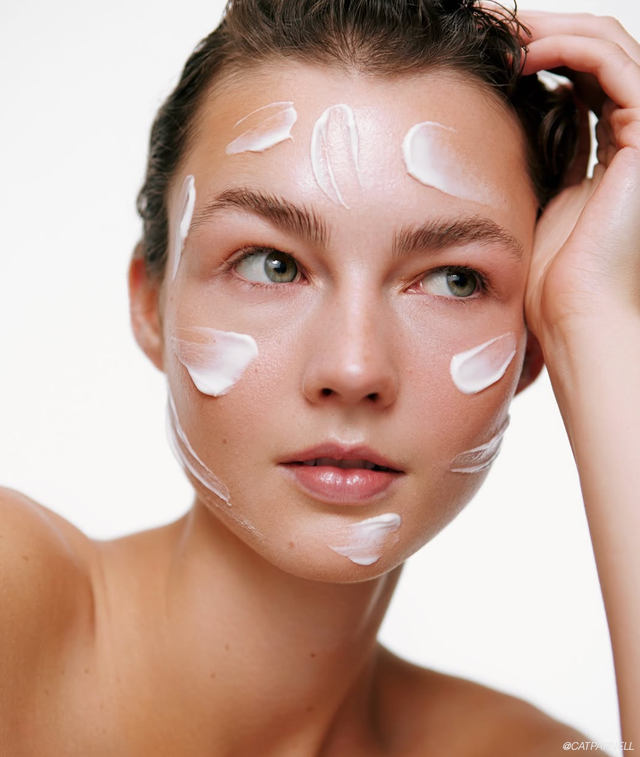
At its core, skin flooding is about saturating the skin with hydration in a specific order, starting on damp skin and building moisture in controlled layers so it actually absorbs and stays put.
What Skin Flooding Actually Means
Skin flooding is not a product category. It is a method. The process typically begins right after cleansing, while the skin is still slightly damp. That detail is not optional. Damp skin is more receptive, allowing humectants like hyaluronic acid and glycerin to bind water more effectively.
From there, hydration is layered rather than stacked. Lightweight, water-based formulas go first, followed by slightly richer textures that seal in what came before. The goal is not to overwhelm the skin, but to progressively increase its moisture content without disrupting balance.
It is especially useful for skin that feels tight, dehydrated, or reactive, but it is not limited to dry skin types. Even oily or combination skin can benefit when dehydration is the underlying issue, which is more common than it seems.
Why Timing Changes Everything
What makes skin flooding different from a standard hydrating routine is timing. Applying products on damp skin changes how they behave. Instead of sitting on the surface, humectants pull in water and distribute it more evenly within the skin’s upper layers.
This is where many routines fall short. Hydrating products are often applied too late in the process, after the skin has already begun to dry down. At that point, they are still beneficial, but less efficient.
By working quickly and intentionally after cleansing, skin flooding essentially “locks in” moisture before it has a chance to evaporate. The result is a more immediate sense of plumpness, but also a longer-lasting improvement in texture and comfort.
The Layering Philosophy Behind It
Skin flooding works best when each step is lightweight and water-forward. Think essences, hydrating toners, gel serums, and fluid moisturizers. The texture progression matters because heavier products applied too early can block absorption rather than enhance it.
There is also a restraint to it that feels increasingly aligned with modern skincare thinking. Instead of adding more active ingredients, the focus shifts to making existing hydration steps more effective.
Over time, this can actually simplify a routine. When skin is properly hydrated, it tends to behave better overall, which often reduces the need for corrective products later on.
Who Benefits Most From Skin Flooding
Dehydrated skin is not always visibly dry. It can appear dull, feel tight after cleansing, or react unpredictably to active ingredients. In these cases, skin flooding acts as a reset.
It is also useful for those using retinoids, exfoliating acids, or other actives that can temporarily compromise the skin barrier. By reinforcing hydration consistently, the skin is better equipped to tolerate those treatments without becoming irritated or flaky.
Even in warmer months, when heavier creams feel unnecessary, skin flooding offers a way to maintain hydration without weight. It is especially relevant in climates where air conditioning or sun exposure quietly depletes moisture throughout the day.
The Subtle Shift It Creates
The most noticeable change from skin flooding is not immediate glow, although that often appears first. It is consistency. Skin starts to feel more predictable. Less reactive. Less prone to sudden dryness or imbalance.
Over time, makeup sits better. Texture looks smoother. That slightly uneven, thirsty look that can happen mid-day becomes less frequent.
It does not replace actives or treatments, and it is not meant to. It simply creates a stronger foundation for everything else in your routine to work more effectively.
Why It Resonates Right Now
There is a broader shift happening in skincare toward techniques that prioritize barrier health and hydration over intensity. Skin flooding fits into that movement naturally. It is gentle, repeatable, and adaptable to almost any routine.
It also reflects a growing preference for methods that feel intuitive rather than prescriptive. There is no strict formula, no exclusive ingredient list. Just an understanding of how skin absorbs and retains moisture, and how small changes in sequence can make a visible difference.
In a landscape often driven by complexity, skin flooding stands out for its simplicity. It does not ask for more products. It asks for better timing.
And sometimes, that is enough.