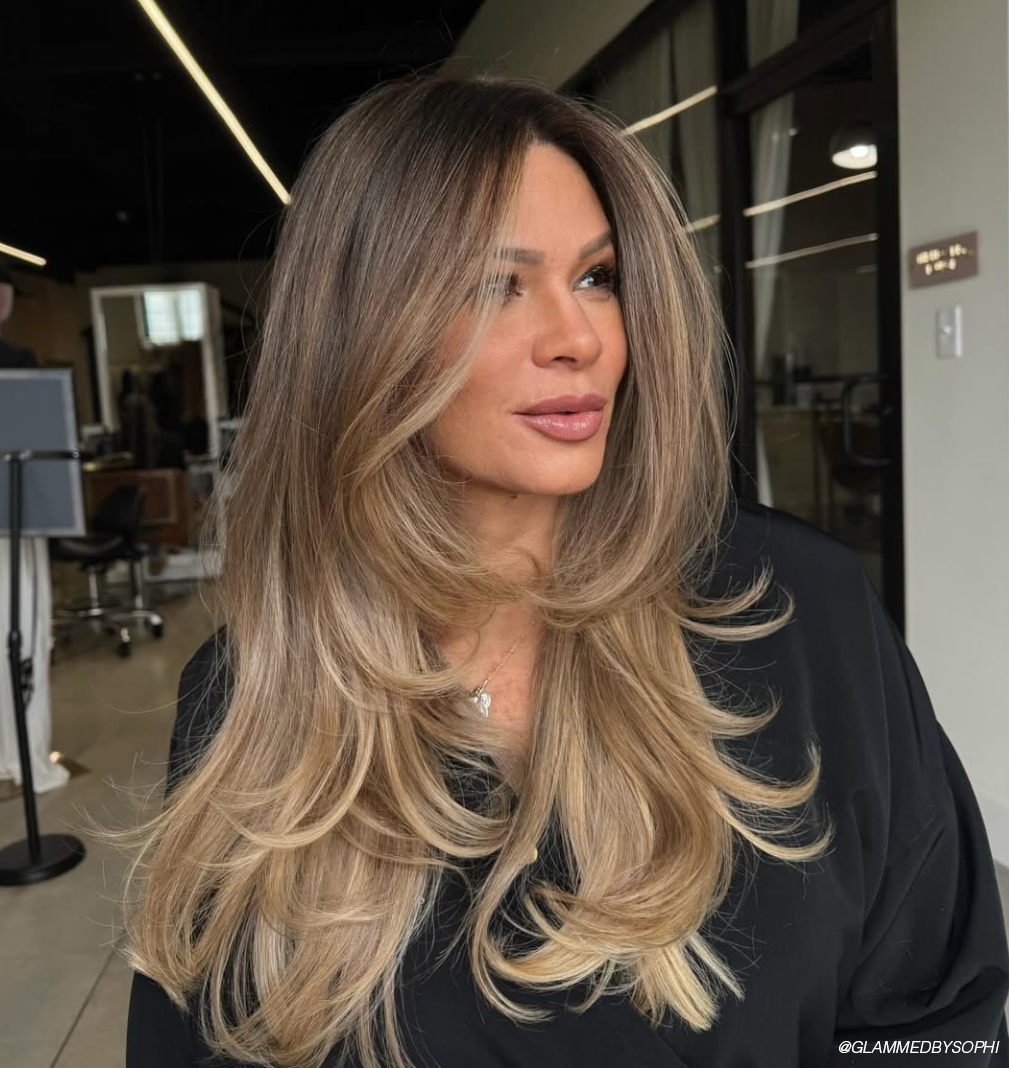
Blonde appointments come with plenty of decisions, but few cause as much confusion as balayage versus highlights. Both can brighten your hair, add dimension, and give you that fresh-from-the-salon feeling. The difference is in how the color is applied, how it grows out, and the kind of finish you want.
If you've ever shown your colorist a photo of sun-kissed blonde and been told you need balayage, only to wonder whether highlights would get you there, you're not alone. These techniques can create some similar results, but they take different routes to get there. Here's what to know before booking your next color appointment.
What Is Balayage?
Balayage is a freehand hair-coloring technique in which a colorist paints lightener onto selected sections of hair, typically concentrating on the mid-lengths and ends. The name comes from the French word balayer, meaning "to sweep," which describes the painterly motion used to apply the color.
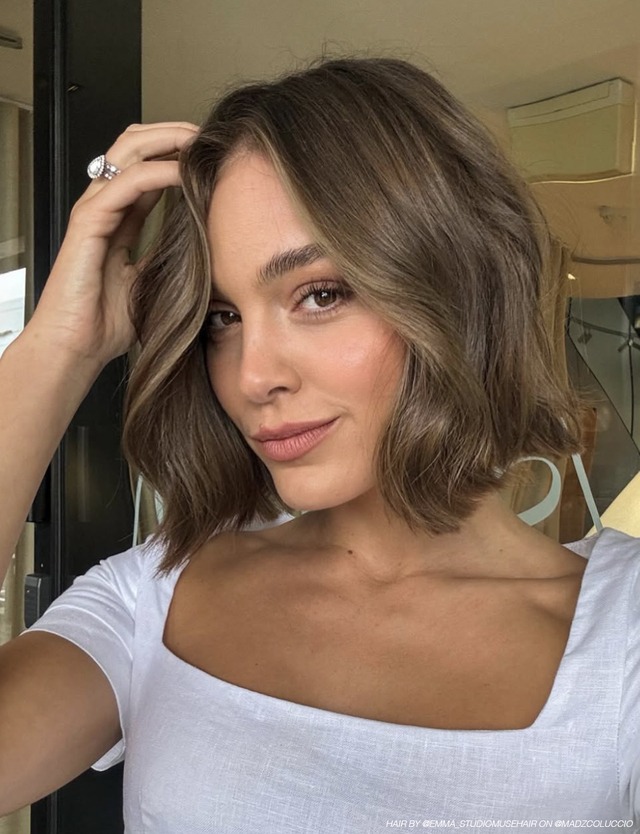
Rather than creating a uniform pattern from root to tip, balayage allows the colorist to place brightness where it will have the most impact. The result is often softer around the root, with lighter pieces that gradually become more noticeable toward the ends. Think sun-kissed dimension, not necessarily an all-over blonde.
One of balayage's biggest selling points is its versatility. It can be subtle and barely-there, with just a few lighter ribbons around the face, or much brighter and more dramatic. Since the color is customized to your haircut, natural base, and desired finish, no two balayage appointments have to look exactly alike.
What Are Highlights?
Highlights are created by sectioning the hair and applying lightener to selected strands, often using foils to separate them from the rest of the hair. The foils help process the color and allow the colorist to lift the hair more precisely. Depending on the placement and technique, highlights can be fine and delicate or bold enough to make a major statement.
Traditional highlights usually start closer to the root and are distributed throughout the hair in a more structured pattern. This creates a brighter, more consistent result from top to bottom. Want to go significantly blonder, add brightness all over, or get that classic highlighted look? Foil highlights are often the way to go.
Highlights aren't limited to one finish, either. Babylights, for example, use very fine sections to create an especially soft, blended effect, while chunkier highlights offer more contrast. Your colorist can adjust the size, placement, and amount of lightness to suit your desired look.
Balayage vs. Highlights: The Biggest Differences
The main distinction comes down to application and placement. Balayage is hand-painted, while traditional highlights are typically applied using foils. But that difference affects more than what happens in the salon chair.
The finished look. Balayage tends to create a softer, more graduated effect, with brightness concentrated through the lengths and ends. Highlights can deliver a more uniform lift throughout the hair, including closer to the roots. That doesn't mean balayage is always subtle or highlights are always bold. Both techniques can be customized to create anything from barely-there dimension to a seriously bright blonde.
The grow-out. Balayage is often popular with anyone who doesn't want to feel tied to frequent root appointments. Because the color is generally kept softer near the scalp, the transition as your natural color grows in can be less noticeable. Traditional highlights can create a more defined line of regrowth, particularly when they're applied right up to the root. That said, techniques like babylights and a well-placed root shadow can make highlighted hair grow out more softly, too.
The maintenance. Balayage usually allows for longer stretches between lightening appointments, although that depends on how blonde you want to be and how much contrast you're after. Highlights may need more frequent upkeep to maintain a consistently bright look, especially if you prefer a fresh, root-to-end blonde. Either way, toning appointments may be needed to keep unwanted warmth in check.
The level of brightness. If you're looking for a noticeable overall blonde transformation, highlights can be a great choice because they allow your colorist to lighten more sections from root to tip. Balayage is especially effective for creating dimension and a sunlit effect, though it can absolutely be taken lighter with the right placement and technique.
Which Technique Looks More Natural?
Balayage is often associated with a natural, sun-kissed finish, and for good reason. The hand-painted placement creates a softer transition between your base color and lighter pieces, mimicking the way hair might naturally lighten after time in the sun.
But highlights can look just as natural when they're done thoughtfully. Fine highlights, especially babylights, can create delicate dimension without an obvious stripey effect. A colorist can also blend highlights with your base shade and add a gloss or root shadow to soften the overall result.
The secret isn't necessarily choosing one technique over the other. It's finding the right placement, color, and level of contrast for your hair.
Which Is Better for Your Hair Type?
Both balayage and highlights can work on straight, wavy, curly, and coily hair. Your texture doesn't automatically rule out either technique, but it can influence how your colorist approaches the placement.
On straight hair, highlights can create visible ribbons of brightness and dimension, while balayage can add a softer gradient that gives the lengths a little extra visual movement. On wavy and curly hair, balayage can be particularly beautiful because the painted pieces follow the natural bends and curves of the hair. Highlights can also emphasize curl patterns by adding contrast between individual sections.
Hair length matters, too. Balayage has plenty of room to show off on medium and long hair, where the gradual transition can really stand out. Highlights work across nearly every length, including shorter cuts where carefully placed brightness can make a bob or pixie feel more dimensional.
If your hair is already heavily lightened, damaged, or has a complicated color history, talk with your stylist before committing to another round of lightener. The goal is to get the color you want while keeping your hair in good condition. Your colorist may recommend a more targeted approach, a gloss, or a break from lightening altogether.
Can You Combine Balayage and Highlights?
Absolutely. In fact, combining the two can be the best way to get a customized blonde. Your colorist might use traditional highlights near the roots for overall brightness, then incorporate balayage through the mid-lengths and ends for a softer, more dimensional finish.
This combination is sometimes referred to as a foilayage technique, which uses foils to process hand-painted sections. It allows the colorist to create a brighter result while keeping some of the blended, lived-in quality associated with balayage.
You might also hear terms like teasylights or babylights during your consultation. These are additional highlighting techniques that can be used to create different levels of brightness and softness. Don't worry about memorizing every salon term before your appointment. Bring a few inspiration photos and let your colorist help translate the look into a technique that works for your hair.
How to Maintain Your Color Between Appointments
A fresh color appointment is lovely, but keeping your hair looking that good between visits takes a little upkeep. Start with a color-safe shampoo and conditioner. The L’Oréal Professionnel Vitamino Color Spectrum Shampoo is a good option for gently cleansing color-treated hair while keeping shine in the picture. Follow with a nourishing mask once a week, such as the matching Vitamino Color Spectrum Mask, for an extra dose of conditioning when lightened lengths start feeling a little parched.
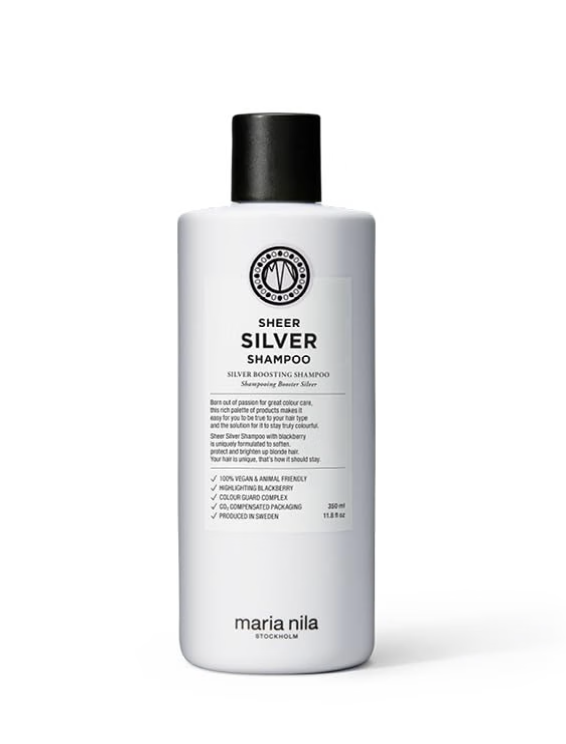
If your blonde starts looking warmer than you'd like, purple shampoo can help bring things back into balance. Maria Nila Sheer Silver Purple Shampoo for Blonde and Gray Hair uses violet pigments to counteract unwanted brassiness while conditioning the hair. Keep it to about once a week to start, adjusting based on how your color responds. And if you love a warmer honey or golden blonde, you may not need a toning shampoo at all. Not every blonde needs to be icy.
Maria Nila Sheer Silver Purple Shampoo for Blonde and Gray Hair

Heat protection is another step worth making non-negotiable. Lightened hair can be more vulnerable to dryness and breakage, so reach for a dedicated protectant before blow-drying, curling, or straightening. Redken Acidic Color Gloss Heat Protection Leave-In Treatment is a great option for color-treated hair, offering thermal protection up to 450°F while conditioning and adding shine.
Redken Acidic Color Gloss Heat Protection Leave-In Treatment

Finally, give your hair a break from hot tools when you can, use lukewarm rather than very hot water, and consider a professional gloss between lightening appointments if your color needs a refresh. Your colorist can help determine when it's time for a toner and when your hair simply needs a little extra care.
So, Should You Choose Balayage or Highlights?
If you're after a softer, more blended blonde with a gradual grow-out, balayage may be your best bet. If you want brighter color throughout, more consistent lightness from root to end, or a classic highlighted look, traditional highlights are worth considering. And if you're somewhere in between, there's no reason you can't combine the two.
Ultimately, the best technique is the one that fits your hair, your color goals, and how often you want to visit the salon. Save a few photos that show the finish you're drawn to, be honest about your maintenance preferences, and let your colorist make a recommendation. The right blonde isn't just about how it looks on appointment day. It's about how much you love wearing it weeks later.
Some of the products featured here may contain affiliate links, meaning we may earn a small commission at no extra cost to you. All recommendations are based on personal use, stylist feedback, or product performance.