A fresh manicure can make you feel like you have your life together. Until, of course, a nail catches on your sweater, splits while opening a package, or chips just days after leaving the salon. If your nails seem to break at the slightest inconvenience, growing them longer can feel like a losing game.
The good news? Stronger nails are possible, but getting there takes a little more than applying a strengthening polish and hoping for the best. Nail health is influenced by everything from your daily habits to how you remove your manicure. And while you can't completely change your natural nail structure, you can make a noticeable difference in how your nails look and feel with a few consistent tweaks.
Why Do Nails Keep Breaking and Chipping?
Nails are made primarily of keratin, a protein that also makes up your hair. When the layers that form the nail plate become dry, damaged, or weakened, they're more likely to peel, split, and break. Frequent handwashing, cleaning products, cold weather, and repeated exposure to water can all contribute.
Your manicure routine can play a role, too. Gel polish, acrylics, and other enhancements aren't automatically damaging, but aggressive removal, picking, peeling, or over-filing can leave natural nails feeling thin and fragile. Even everyday habits, like using your nails to open cans or scrape off labels, can put more stress on them than you realize.
If your nails are suddenly much weaker than usual, or you notice changes in color, shape, or texture, it's worth checking in with a dermatologist. Persistent nail changes can sometimes be related to an underlying condition or nutritional deficiency.
Give Your Nails a Break From Constant Wear and Tear
If your nails have been through a steady rotation of gels, extensions, and polish changes, consider giving them a little breathing room. You don't necessarily have to go completely bare, but taking a break from enhancements can make it easier to see how your natural nails are doing and avoid repeated removal-related damage.
When you do get a manicure, resist the urge to peel off lifting polish or enhancements. That satisfying little pull can take layers of your natural nail with it. Have products removed properly, and ask your nail technician to avoid aggressive filing or excessive buffing.
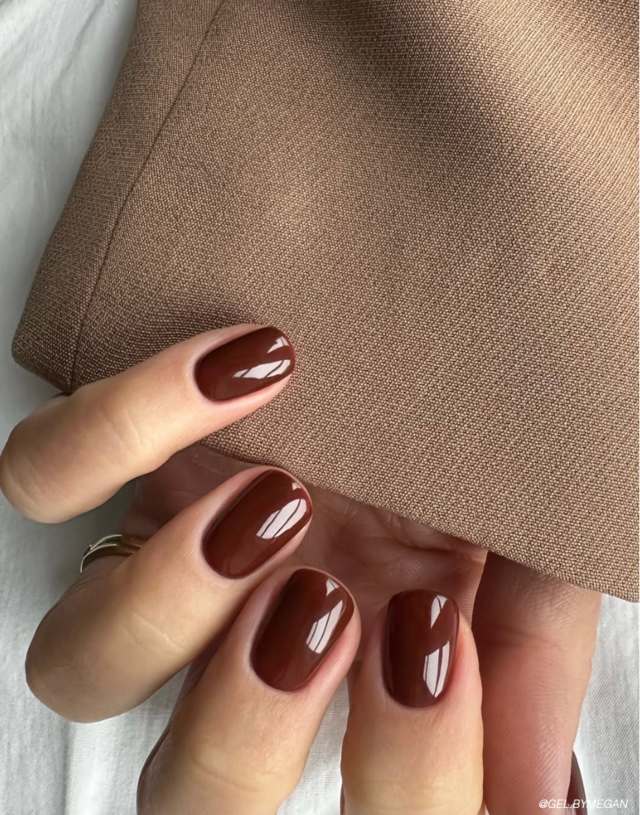
Shorter shapes can also help while you're working toward stronger nails. A softly rounded or squoval shape has fewer sharp corners to catch on things, which can mean fewer frustrating snags and splits.
Moisture Is Your Nails' Best Friend
Dry nails are more prone to brittleness, peeling, and breakage, so moisturizing should be part of your everyday routine. Think of cuticle oil as skincare for your fingertips. Applying it regularly helps condition the nail area and keep the surrounding skin soft, especially if you wash your hands frequently or live somewhere with colder weather.
Keep a bottle on your desk, by your bedside, or wherever you'll actually remember to use it. A few drops massaged into the nails and cuticles can become an easy daily habit.
CND SolarOil Nail & Cuticle Care


Follow up with hand cream after washing your hands, paying attention to your fingertips and cuticles. It may seem like a small detail, but consistency matters more than an occasional intensive treatment.
Be Smarter About Water and Cleaning Products
Water is a little more complicated than it seems when it comes to nail health. Repeatedly soaking and drying your nails can cause them to expand and contract, which may contribute to splitting and peeling over time. Household cleaners and detergents can also be harsh on both nails and the skin around them.
Wearing gloves while washing dishes, cleaning, or handling cleaning products is an easy way to limit exposure. You don't need to avoid water altogether, of course. Just try to protect your hands during the tasks that involve prolonged soaking or chemicals.
Choose Nail Treatments That Support Your Routine
A strengthening treatment can be a useful addition if your nails are peeling or feel especially fragile. Look for formulas designed to condition and protect the nail plate, rather than assuming that the hardest or thickest coating is automatically the best choice.
Some nail strengtheners create a protective layer that helps reduce everyday wear, while others are designed to condition the natural nail. Follow the product directions, and pay attention to how your nails respond. If a treatment leaves them feeling overly rigid or causes irritation, stop using it.
OPI Nail Envy Original Nail Strengthener

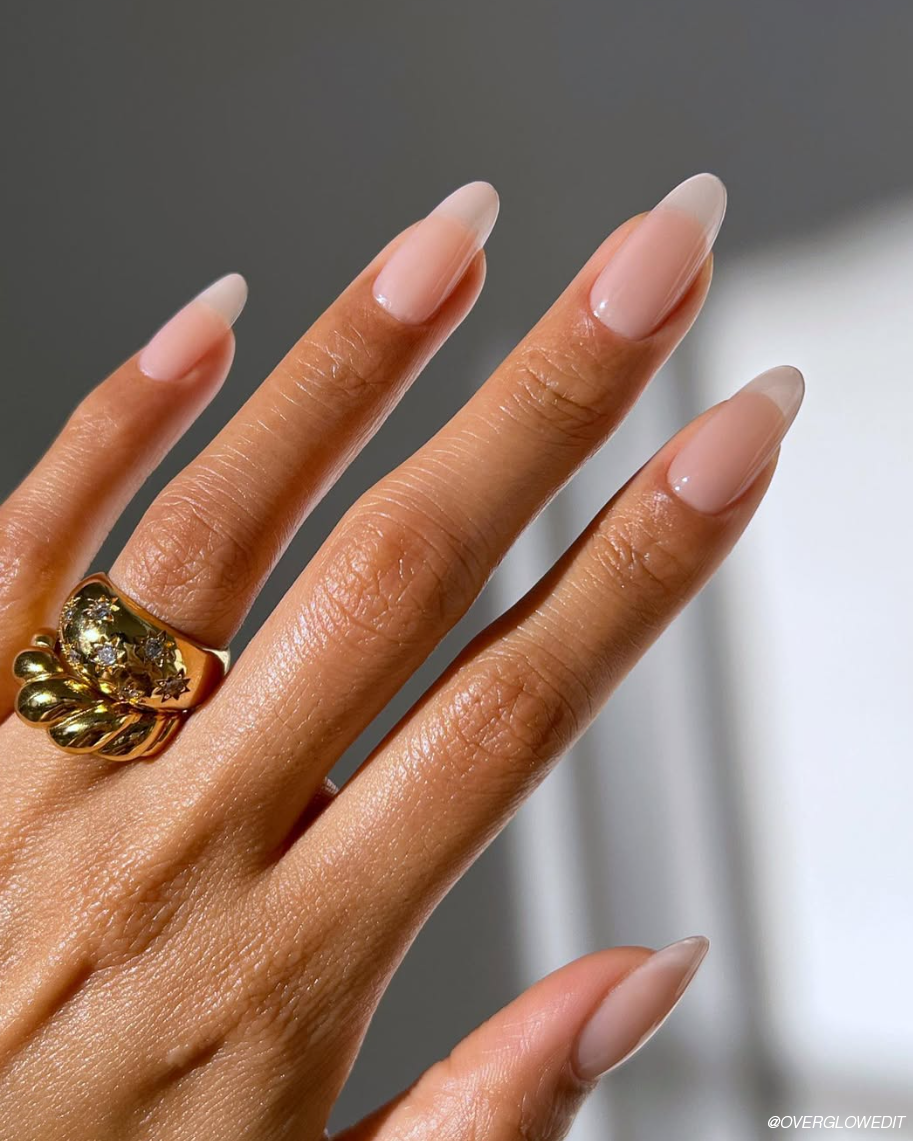
You can also ask your nail technician about a sheer, protective manicure while your nails grow. A little coverage can make natural nails feel more polished without committing to another set of extensions.
Pay Attention to What You're Eating
Nail growth starts at the nail matrix, the area beneath the skin at the base of the nail where new nail cells form. Your body needs adequate nutrition to support that process, which is why a balanced diet matters.
Protein, iron, zinc, and other nutrients all play a role in overall health, including healthy nail growth. Eggs, fish, beans, leafy greens, nuts, and seeds are useful additions to a varied diet. Biotin is often marketed as a nail-growth must-have, but supplements aren't a guaranteed fix for brittle nails, and evidence of their benefits is limited for people who aren't deficient.
If your nails are consistently weak despite taking care of them, it's better to talk with a healthcare professional before reaching for a supplement. They can help determine whether a deficiency or another issue might be contributing.
Keep Your Nail Care Consistent
One of the trickiest parts of growing stronger nails is accepting that it takes time. Fingernails grow slowly, and it can take several months for healthier new growth to replace the portion that's already damaged. A treatment won't transform your nails overnight, but a consistent routine can help prevent new damage while they grow.
File snags as soon as you notice them instead of pulling at a peeling edge. Keep your nails at a manageable length, moisturize regularly, protect your hands during chores, and be gentle when removing polish. Small habits add up, especially when you stick with them.
And remember, strong nails don't have to be especially long. A healthy, glossy short manicure can look just as chic as a dramatic set. The real goal is having nails that feel good, hold up to everyday life, and don't leave you worrying about the next accidental chip.
Some of the products featured here may contain affiliate links, meaning we may earn a small commission at no extra cost to you. All recommendations are based on personal use, stylist feedback, or product performance.