Sunscreen has undergone something of a personality change. What was once a thick, chalky lotion reserved for beach days has become a daily skincare essential, available in everything from weightless fluids and tinted moisturisers to glow-boosting primers and invisible gels.
But as formulas have become more sophisticated, choosing one has somehow become more confusing.
One of the biggest questions is whether physical sunscreen or chemical sunscreen is better. Mineral formulas are often positioned as the gentler, “cleaner” choice, while chemical sunscreens are praised for their lightweight textures and invisible finishes. The reality is less dramatic: both can provide effective sun protection, and the best sunscreen is usually the one you enjoy enough to apply generously and consistently.
Here is how physical and chemical sunscreen actually differ—and what to consider before choosing between them.
TL;DR: Physical vs. Chemical Sunscreen
- Physical sunscreen, also known as mineral sunscreen, uses zinc oxide, titanium dioxide or a combination of the two as its active UV filters.
- Chemical sunscreen uses organic UV filters such as avobenzone, octisalate, octocrylene or newer-generation filters available in certain markets.
Both types work primarily by absorbing UV radiation and converting it into a small amount of heat, although mineral filters can also scatter and reflect some UV rays.
Mineral sunscreen may be a comfortable choice for sensitive or easily irritated skin, while chemical formulas often offer lighter textures with less visible residue. Neither category is automatically “better.” Broad-spectrum protection, adequate application and regular reapplication matter more than the label alone.
First, What Does SPF Actually Mean?
SPF stands for Sun Protection Factor. Despite the way it is sometimes explained, SPF is not simply a timer that tells you how many minutes you can remain in the sun.
It is a measure comparing how much UV radiation is required to produce sunburn on protected skin versus unprotected skin. The result can be affected by UV intensity, time of day, location, skin type, the amount applied and whether sunscreen has worn away through swimming, sweating or rubbing.
When applied correctly:
- SPF 30 filters approximately 97% of UVB rays.
- SPF 50 filters approximately 98% of UVB rays.
That might make the difference between SPF 30 and SPF 50 sound insignificant. However, the remaining UVB exposure is reduced from around 3% to 2%, which can still be meaningful—particularly for fair, sun-sensitive or pigmentation-prone skin and during prolonged outdoor exposure.
Higher SPF does not mean you can apply less, skip areas or stay outside indefinitely. No sunscreen blocks 100% of UV radiation, and every formula still needs to be used as directed.
SPF Is Only Part of the Story
The SPF number primarily describes protection against UVB rays, which are strongly associated with sunburn. It does not, on its own, tell you the full extent of a product’s protection against UVA rays.
UVA rays penetrate more deeply into the skin and contribute to visible skin ageing, pigmentation and skin cancer risk. UVB rays are a major cause of sunburn and also contribute to skin cancer. This is why choosing a broad-spectrum sunscreen matters: the designation indicates protection against both UVA and UVB radiation.
For everyday use, dermatologists generally recommend a broad-spectrum, water-resistant sunscreen with an SPF of at least 30, alongside shade, clothing and other sun-protection measures.
What Is Physical Sunscreen?
Physical sunscreen is another name for mineral sunscreen. While sunscreen definitions and formulation regulations differ based on where you are, in the United States, a formula is considered mineral when its active UV filters are:
- Zinc oxide
- Titanium dioxide
- Or a combination of both
These filters create a protective layer within and on top of the skin that absorbs UV radiation. They also reflect and scatter a small proportion of the rays.
This is worth clarifying because mineral sunscreen is often described as a tiny mirror that reflects all sunlight away from the skin. It is an appealing visual, but it oversimplifies the science. Both mineral and chemical UV filters protect primarily by absorbing UV energy.
Zinc oxide can provide broad UVA and UVB coverage, while titanium dioxide is particularly effective within the UVB and shorter UVA range. The final protection depends on the complete formula, concentration and how the product performs during testing—not simply whether zinc oxide appears on the label.
The Benefits of Physical Sunscreen
Mineral sunscreen is frequently recommended for sensitive, reactive or easily irritated skin. Zinc oxide is also commonly found in formulas designed for people experiencing rosacea, sensitivity or irritation from certain chemical filters.
Modern mineral sunscreens have also moved well beyond the heavy white creams many people remember. They now come in tinted, sheer, mattifying, moisturising and serum-like formats.
A tint can be particularly helpful when a traditional zinc-based formula leaves a white, grey or purple cast. Tinted mineral sunscreens may use pigments to help the product blend more naturally across different complexions.
Physical sunscreen may suit you if:
- Your skin is sensitive or easily irritated.
- Certain chemical filters sting your eyes.
- You prefer a zinc oxide or titanium dioxide formula.
- You want a tinted sunscreen that can help even the appearance of the complexion.
- You have found a mineral texture you are comfortable applying in the correct amount.
The Potential Drawbacks of Physical Sunscreen
The most obvious downside is cosmetic. Zinc oxide and titanium dioxide are naturally white, meaning some formulas can leave a visible cast, particularly on medium to deep skin tones.
Mineral sunscreens can also feel thicker, drier or more difficult to spread. Formulators must balance the level of mineral filters with wearability, which helps explain why many elegant mineral formulas sit around SPF 30 or use tints to improve their finish. That doesn't mean all mineral sunscreen is heavy or all chemical sunscreen is invisible. Texture varies considerably from one product to another.
What Is Chemical Sunscreen?
Chemical sunscreen is the common name given to formulas that use organic UV filters rather than zinc oxide or titanium dioxide.
Depending on the country and its sunscreen regulations, these may include filters such as:
- Avobenzone
- Octisalate
- Octocrylene
- Homosalate
- Bemotrizinol
- Other modern UVA and UVB filters
These ingredients absorb UV radiation and convert it into a very small amount of heat, which is then released from the skin.
The word “chemical” can sound alarming, but it is not synonymous with harmful or artificial. Everything around us—including water and zinc oxide—is made from chemicals. In sunscreen, the more useful distinction is between organic filters, generally called chemical filters, and inorganic filters, generally called mineral filters.
The FDA states that current evidence does not show that sunscreen ingredients available in the United States are harmful to human health and continues to encourage sunscreen use alongside other protective measures. Some filters remain under review because regulators have requested additional safety data; that is not the same as establishing that those ingredients are unsafe.
The Benefits of Chemical Sunscreen
Chemical sunscreens are popular largely because of how they feel. They can often be formulated into thin fluids, clear gels, hydrating essences and makeup-friendly primers. Many absorb without leaving a visible cast, making them easier to wear across a broad range of skin tones.
They may also make it easier for formulators to combine multiple filters and create high levels of broad-spectrum protection without relying on a large concentration of mineral powder.
Chemical sunscreen may suit you if:
- You prefer a lightweight or nearly invisible finish.
- You have medium to deep skin and want to avoid a white cast.
- You wear sunscreen underneath makeup.
- You prefer high-SPF fluids, gels or serum-like textures.
- You have used the formula without irritation and are happy to apply it generously.
The Potential Drawbacks of Chemical Sunscreen
Some people find certain filters irritating, particularly around the eyes or on very sensitive skin. The experience is individual: one chemical formula may sting while another feels completely comfortable.
Chemical sunscreens are also frequently surrounded by alarming claims online. It is important to distinguish between the detection of an ingredient within the body and evidence that the ingredient causes harm. Absorption studies can help regulators decide what further testing is needed, but absorption alone does not prove that a sunscreen is dangerous.
Anyone with a known allergy, very reactive skin or a medical skin condition should check the active and inactive ingredients rather than relying only on the words “mineral” or “chemical.”
What About Hybrid Sunscreen?
Hybrid sunscreens combine mineral and chemical UV filters in one formula. The goal is often to pair the broad coverage of several filters with a lighter, more wearable texture. A hybrid formula may reduce the amount of zinc oxide or titanium dioxide needed, potentially limiting white cast while maintaining strong broad-spectrum protection.
This is why reading the active ingredients is more reliable than relying on front-label language. A product described broadly as mineral-inspired, zinc-based or gentle may still contain additional organic UV filters.
For a 100% mineral formula, zinc oxide and/or titanium dioxide should be the only active sunscreen ingredients listed.
Is Mineral Sunscreen Safer Than Chemical Sunscreen?
Not automatically. Mineral formulas may be better tolerated by some sensitive skin types, but “mineral” is not a universal guarantee that a product will be non-irritating, non-comedogenic or suitable for every person. Fragrance, botanical extracts, preservatives and other inactive ingredients can also affect how the skin responds.
Similarly, a chemical sunscreen is not inherently harsh or unsafe. Many are specifically developed for sensitive, acne-prone or reactive skin. The most helpful question is not, “Which category is cleaner?” It is: Which broad-spectrum sunscreen can I comfortably apply in a sufficient amount every day?
How to Choose the Right Sunscreen for Your Skin
For Sensitive or Reactive Skin
Consider a fragrance-free mineral formula using zinc oxide, titanium dioxide or both. Look beyond the active filters and review the complete ingredient list, particularly when you already know that certain fragrances or botanical extracts irritate your skin.
For Oily or Acne-Prone Skin
Look for lightweight, non-comedogenic lotions, gels or fluids. Both mineral and chemical options can work. A mattifying formula may sit more comfortably on oily skin, while a heavy or overly drying product may lead you to use less than you need.
For Dry Skin
Creamy sunscreens with humectants and emollients can help the skin feel more comfortable. Mineral formulas are sometimes drying, but many newer options combine zinc oxide with moisturising skincare ingredients.
For Deeper Skin Tones
Clear chemical formulas, tinted mineral sunscreens and well-formulated hybrid products can help minimise visible residue. The right choice is the one that disappears—or blends attractively—without encouraging you to apply less.
For Wearing Under Makeup
Look for a formula that sets evenly without pilling. Fluid chemical sunscreens often layer easily, while tinted or primer-style mineral formulas can create a smooth base. Allow sunscreen to settle before applying complexion products.
For Swimming, Exercise or Long Days Outside
Choose a water-resistant, broad-spectrum sunscreen and follow the label’s reapplication directions. Water resistance does not mean waterproof, and sunscreen should be reapplied after swimming, heavy sweating or towel drying.
Physical and Chemical Sunscreens Worth Knowing
The sunscreen market is no longer divided neatly between thick mineral creams and lightweight chemical lotions. Today’s formulas span tinted mineral serums, invisible gels, hydrating fluids and makeup-ready primers, making it easier to choose according to your skin type, preferred finish and daily routine.
Whether you want mineral protection, a formula that disappears without a white cast or an SPF that sits smoothly beneath makeup, these are some of the standout facial sunscreens to consider.
The Best Physical and Chemical Sunscreens for Every Skin Type
The best sunscreen is not simply the one with the highest SPF. Texture, finish, skin type and how a formula sits beneath makeup can all determine whether you will actually want to wear it every day. From tinted mineral creams to completely invisible gels, these are some of the standout formulas to consider.
Best Mineral Sunscreen and Primer: Suntegrity Moisturizing Mineral Face Sunscreen and Primer SPF 30
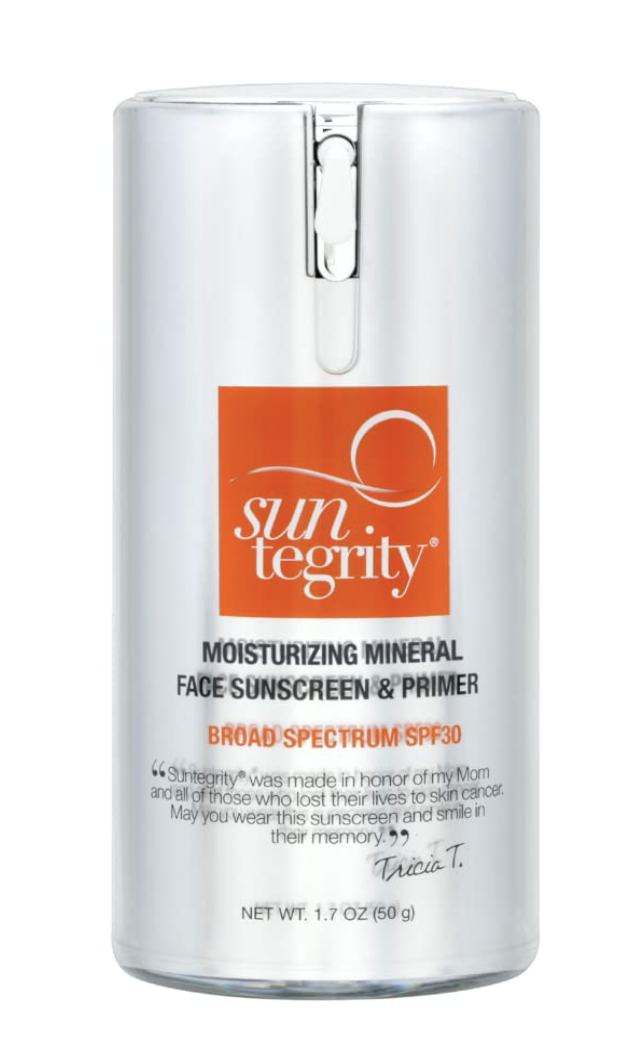

For anyone who prefers mineral protection but still wants a smooth base for makeup, this three-in-one formula combines moisturiser, primer and broad-spectrum SPF 30. It uses 20% non-nano zinc oxide and has a soft, velvety finish designed to sit comfortably beneath complexion products.
The hydrating formula also contains ingredients such as hyaluronic acid, aloe, green tea and cucumber, making it a good fit for normal to dry skin that can find traditional mineral sunscreen thick or drying.
Why it stands out: A moisturising mineral SPF that doubles as a makeup primer.
Best Tinted Mineral Sunscreen: Suntegrity Tinted 5-in-1 Mineral Sunscreen SPF 30
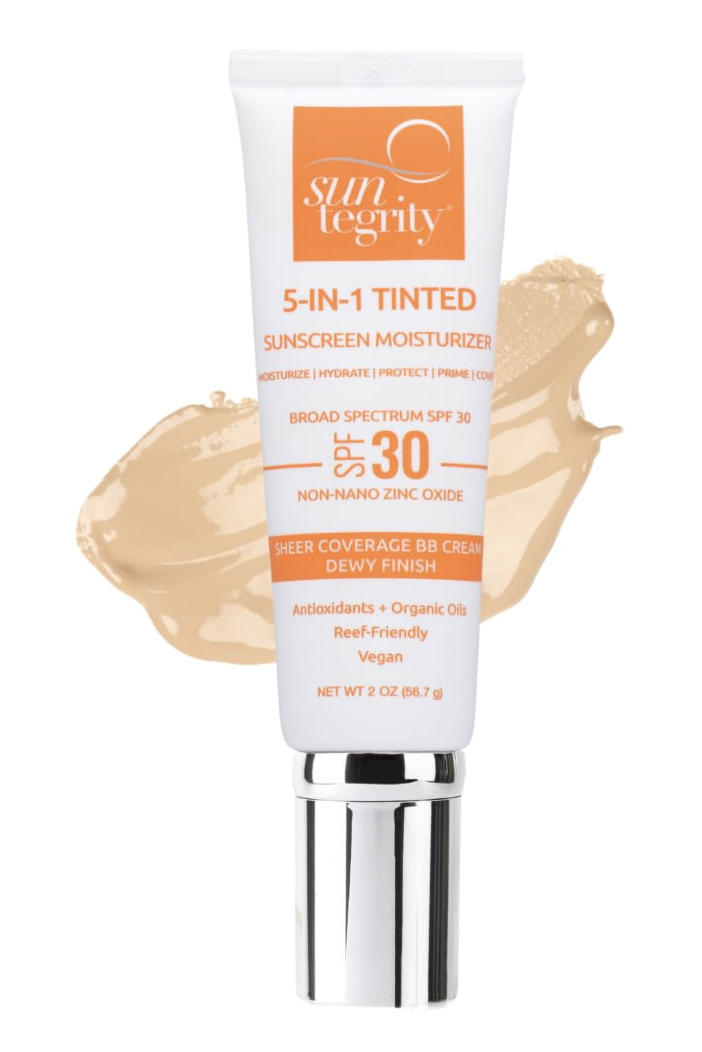
Suntegrity’s tinted formula combines mineral sun protection with the light coverage of a BB cream. Made with 20% non-nano zinc oxide, it moisturises, primes and helps even the appearance of the complexion while providing broad-spectrum SPF 30 protection.
It is available in four sheer shades, with iron oxides providing the tint. This makes it an appealing alternative for anyone who dislikes the visible white or grey cast that can sometimes come with zinc-based sunscreen.
Why it stands out: Sheer complexion coverage and mineral SPF in one step.
Best for Dry or Dehydrated Skin: Ultra Violette Supreme Screen™ SPF 50
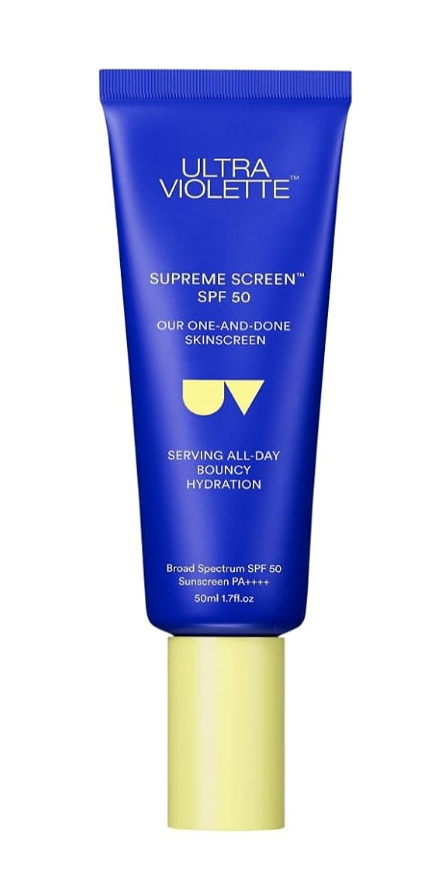
Ultra Violette Supreme Screen is designed for anyone who wants sun protection to feel more like a hydrating skincare step. The one-and-done formula combines broad-spectrum SPF 50 and PA++++ protection with lasting moisture, helping skin feel soft, plump and comfortable throughout the day.
Despite its nourishing feel, the formula is designed to remain lightweight rather than heavy or greasy. Its bouncy texture also helps create a smooth base for makeup, making it especially appealing to normal, dry or dehydrated skin types that find traditional sunscreens too mattifying.
Why it stands out: High UVA and UVB protection with the comfortable, cushioning feel of a daily moisturiser.
Best Invisible Sunscreen: Supergoop! Unseen Sunscreen SPF 50
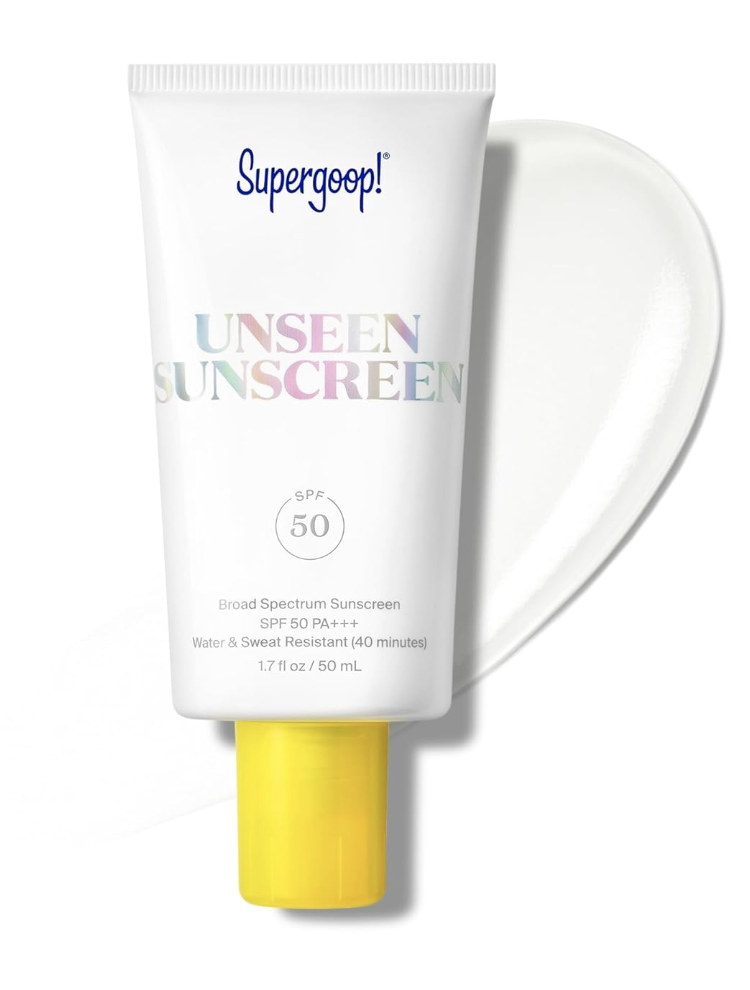
For those who want their sunscreen to look and feel like almost nothing, Supergoop! Unseen Sunscreen has a completely clear, weightless finish with no white cast.
Its oil-free gel texture also doubles as a makeup-gripping primer, helping blur the appearance of pores and creating a smooth base for foundation. Because it is scentless, non-comedogenic and non-acnegenic, it can work across a wide range of skin types—including oily and acne-prone complexions.
Why it stands out: A clear, primer-like sunscreen that disappears on every skin tone.
Best Lightweight Sunscreen Serum: La Roche-Posay Anthelios UVAir Sunscreen Serum SPF 50
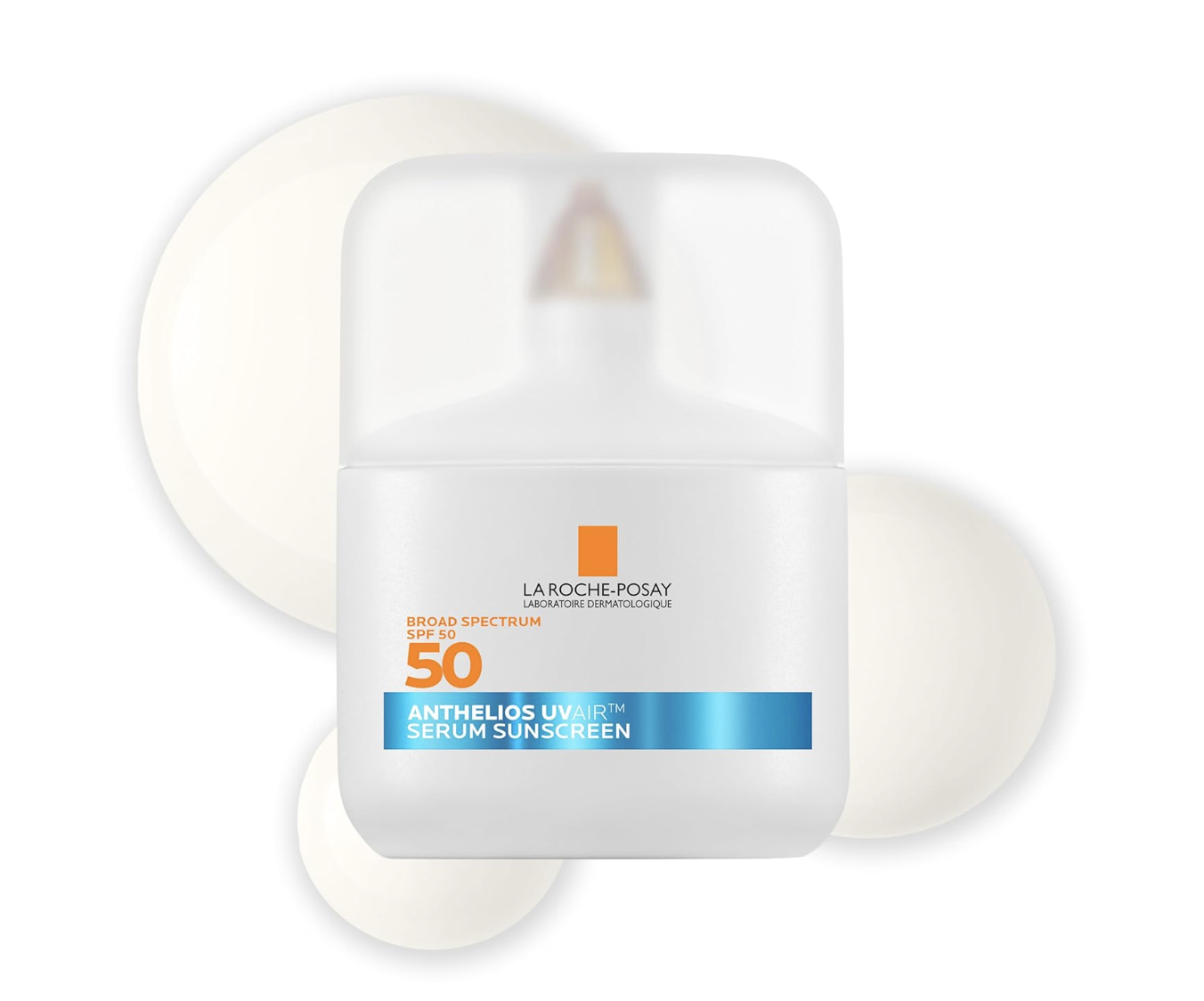
La Roche-Posay’s UVAir formula combines broad-spectrum SPF 50 with the lightweight texture of a facial serum. It absorbs quickly, leaves no white cast and contains hyaluronic acid, niacinamide and antioxidants to support hydration and a smoother-looking complexion.
The fragrance-free formula has also been developed with sensitive skin in mind and tested in heat and humidity, making it a practical option for warm weather, travel or anyone who dislikes the feeling of heavier sunscreen.
Why it stands out: High protection in a fast-absorbing, hydrating serum texture.
Best for Acne-Prone or Redness-Prone Skin: EltaMD UV Clear SPF 46
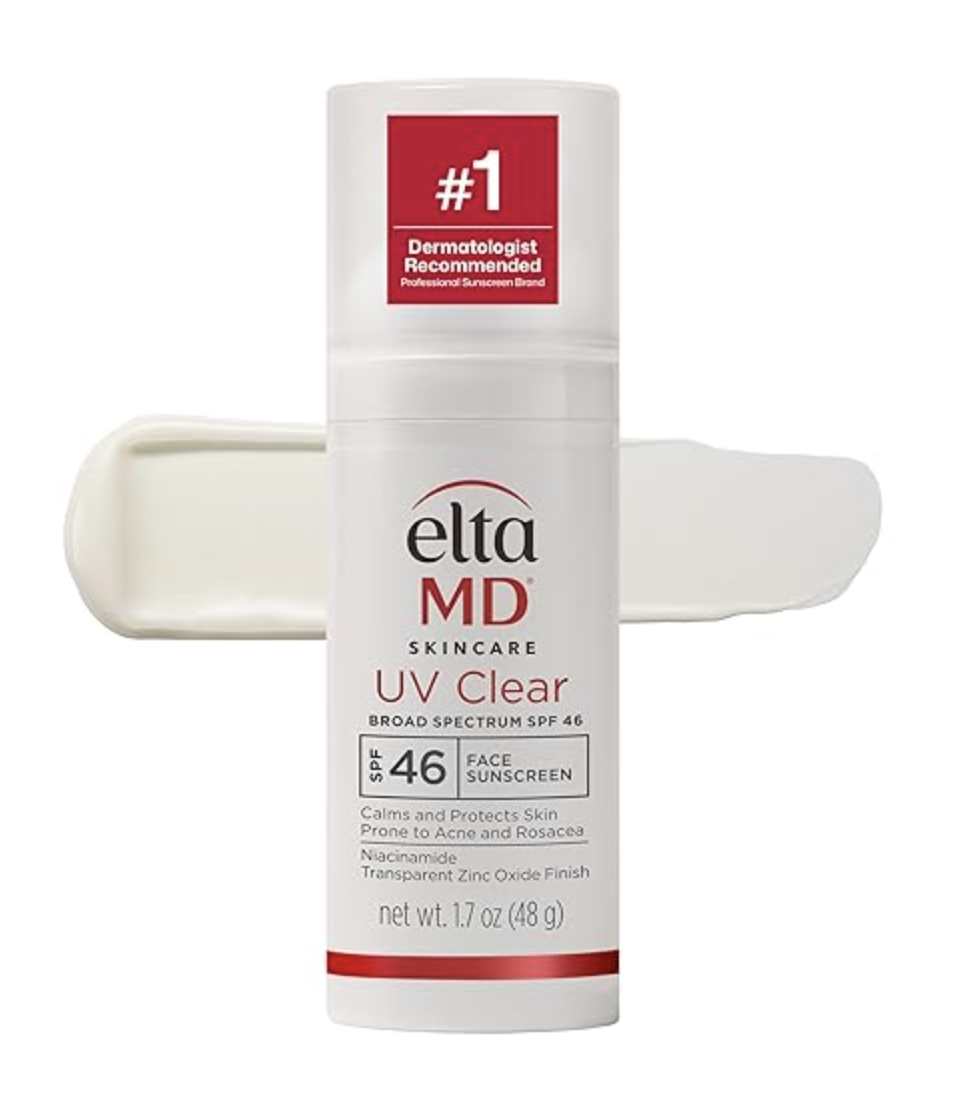
EltaMD UV Clear has developed a loyal following among people with oily, sensitive, acne-prone or redness-prone skin. Its lightweight, oil-free formula combines transparent zinc oxide with broad-spectrum SPF 46 protection and is designed to leave minimal visible residue.
It also contains niacinamide, an ingredient commonly used to support a more even-looking complexion. Available in tinted and untinted versions, the formula offers more flexibility for different skin tones and preferences.
Why it stands out: Lightweight zinc-based protection created with breakout-prone and sensitive skin in mind.
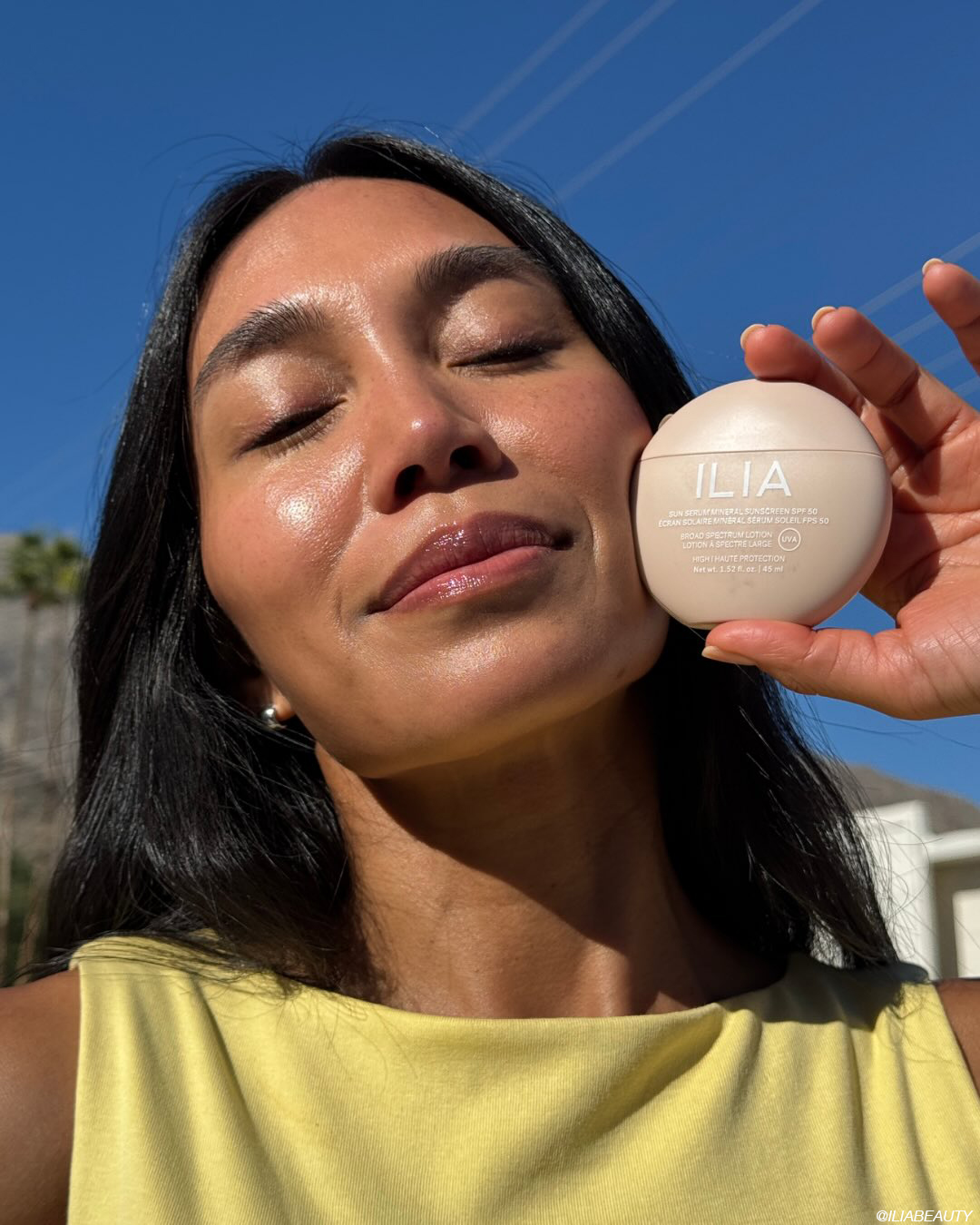
Best Mineral Sunscreen Under Makeup: ILIA Sun Serum Mineral Sunscreen SPF 50
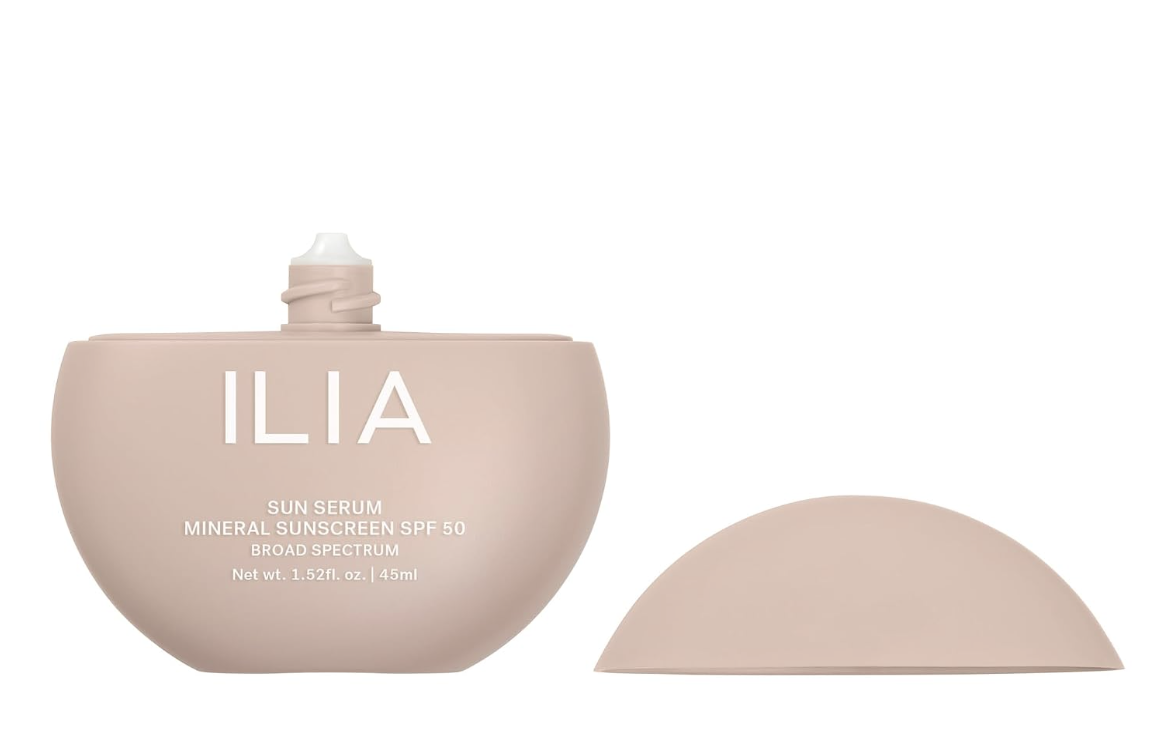
ILIA’s Sun Serum is a mineral SPF designed to bridge the gap between skincare, sun protection and makeup preparation. Its lightweight, water-burst texture sinks into the skin without a greasy finish, while flexible tint options help reduce the appearance of mineral residue.
The formula promises both lasting hydration and oil control, making it particularly useful beneath makeup where excess dryness and shine can both affect the final result.
Why it stands out: A high-SPF mineral serum that hydrates, balances shine and prepares skin for makeup.
How Much Sunscreen Should You Apply?
Even an excellent formula cannot deliver its labelled protection when it is applied too sparingly.
Apply sunscreen generously and evenly to all exposed skin. Do not forget commonly missed areas such as the ears, hairline, neck, chest, backs of the hands and tops of the feet.
Apply before sun exposure according to the directions on the product, then reapply at least every two hours while outdoors—and sooner after swimming, sweating or towel drying. Sunscreen should be used alongside shade, protective clothing, sunglasses and sensible limits on prolonged sun exposure.
So, Is Physical or Chemical Sunscreen Better?
The honest answer is that the best option depends on your skin, your preferences and the formula itself.
- Choose mineral sunscreen when your skin responds well to zinc oxide or titanium dioxide, you prefer a physical formula or you have found a tint and texture that works for your complexion.
- Choose chemical sunscreen when you prefer an invisible, lightweight finish and can wear it comfortably without irritation.
- Choose a hybrid when it gives you the balance of protection, texture and wearability you need.
The label matters, but your behaviour matters more. A broad-spectrum SPF 30 that you apply generously every morning will generally serve you better than an expensive SPF 50 that feels unpleasant, pills under makeup or remains untouched in your bathroom cabinet.
Because when it comes to sunscreen, consistency—not category—is what makes the biggest difference.
Sunscreen Disclaimer
This article is intended for general educational and editorial purposes only and should not be considered medical advice. Sunscreen needs can vary according to skin type, medical history, medication use, allergies, location and level of sun exposure. Product ingredients and availability may also differ between countries and may change over time. Always read and follow the directions and warnings on the product label. Speak with a dermatologist or qualified healthcare professional for personalised advice, particularly if you have a history of skin cancer, photosensitivity, severe allergies or an existing skin condition. Sunscreen should be used as part of a wider sun-protection routine that includes shade, protective clothing and limiting prolonged exposure.
Some of the links in this post are affiliate links. This means that Bangstyle will collect a small share of the sale from any purchase you make from the products we recommend.