Skincare layering has become one of those quietly divisive topics. On one side, there is the maximalist approach, where routines stretch across multiple steps and textures. On the other, a growing preference for minimalism that prioritizes efficiency over ritual. Somewhere between the two sits the real answer, which is not how much you use, but how you use it.
Layering is less about quantity and more about sequence. The order in which products are applied determines how well they absorb, how effectively they perform, and ultimately how your skin looks and feels. Even the most expensive serum can underdeliver if it is placed at the wrong point in your routine.
The idea is simple. Thin to thick. Water-based to oil-based. Active to sealing. But within that simplicity is a level of nuance that can quietly transform your results.
Why Order Matters More Than You Think
Skin is not passive. It responds to what is placed on it and in what sequence. Applying heavier products too early can block lighter ones from penetrating, while layering actives incorrectly can reduce their effectiveness or increase irritation.
Cleansing is the reset. Everything that follows is about rebuilding balance in a way the skin can actually absorb. When products are layered correctly, each step supports the next rather than competing with it.
There is also a timing element that often gets overlooked. Skin is most receptive when slightly damp, which is why hydration steps tend to perform best immediately after cleansing. Once the skin begins to dry, absorption slows, which changes how products behave on the surface.
Step One: The Clean Slate
Cleansing sets the tone for everything that follows. It removes buildup, sunscreen, makeup, and environmental residue so that active ingredients can do their job without interference.
The goal is not to strip the skin, but to leave it balanced. Over-cleansing can disrupt the barrier and make subsequent steps less effective. A gentle cleanser that respects the skin’s natural oils creates the ideal foundation for layering.
Step Two: Hydration While the Skin Is Still Damp
This is where the concept of skin flooding naturally fits in. Hydration works best when applied to slightly damp skin, allowing humectants to bind water more effectively and lock in moisture.
Lightweight toners, essences, and hydrating serums all belong here. They prepare the skin for everything that follows, increasing receptivity and improving overall absorption.
This step is often underestimated, but it is where much of the “glow” actually begins. Well-hydrated skin reflects light differently, feels smoother, and responds better to both actives and moisturizers.
Step Three: Active Ingredients With Intent
This is the most strategic part of the routine. Actives like vitamin C, retinoids, exfoliating acids, and niacinamide are powerful, but only when used correctly and in the right order.
Water-based actives typically go first, followed by more emulsion-based or serum textures. The key is not to overload the skin. More actives do not necessarily mean better results. In fact, over-layering can compromise the barrier and lead to sensitivity.
This step is where many routines become overly complicated, but the most effective approach is often restraint. One or two well-chosen actives, applied consistently, will outperform a crowded routine.
Step Four: Locking In Moisture
Moisturizer is less about adding hydration and more about sealing everything in. It creates a barrier that prevents transepidermal water loss and ensures that earlier layers remain effective.
Texture matters here. Gel creams work well for oily or combination skin, while richer creams support dry or compromised skin. The goal is not heaviness, but containment.
When applied correctly, moisturizer acts as a finishing layer that smooths everything beneath it into a cohesive result.
Step Five: The Protective Finish
In the morning, this final step is non-negotiable. Sunscreen is the last layer in a skincare routine because it needs to sit on top of everything else to function properly.
Without it, even the most carefully layered routine loses long-term effectiveness. UV exposure is one of the primary drivers of premature aging, and protection is what preserves all the work done in previous steps.
In the evening, this step shifts. Instead of SPF, facial oils or sleeping masks can be used selectively to seal in moisture and support overnight repair.
The Real Secret Behind Glowy Skin
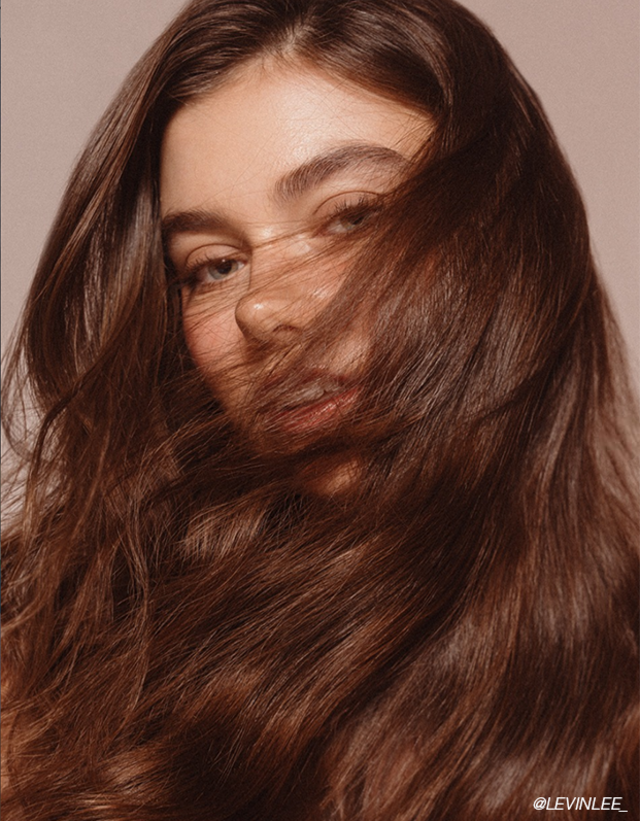
Glow is often treated as a finish, something added at the end of a routine. In reality, it is the byproduct of correct layering. When hydration is properly built, when actives are absorbed instead of sitting on the surface, and when moisture is sealed effectively, the skin naturally reflects light more evenly.
It is less about achieving perfection and more about removing friction from the process. Skin that is well-layered does not need to be forced into glow. It simply arrives there on its own.