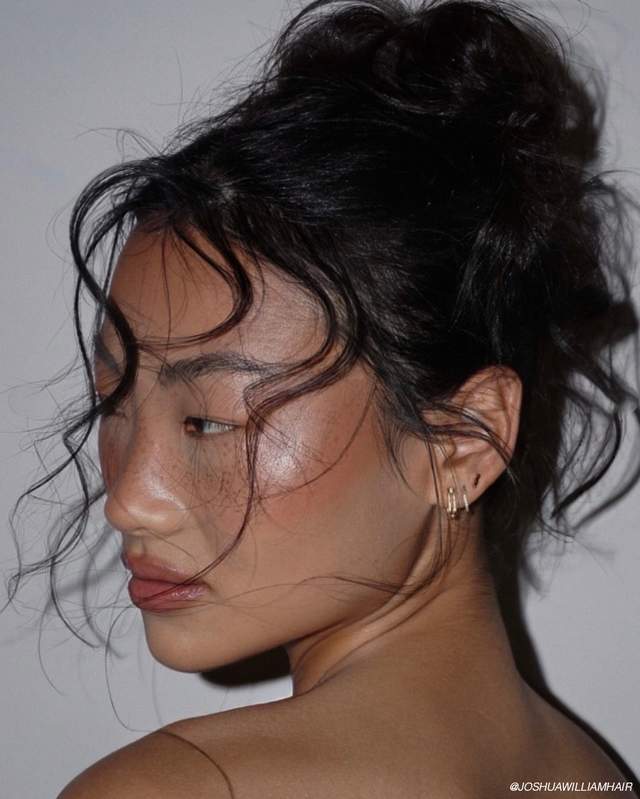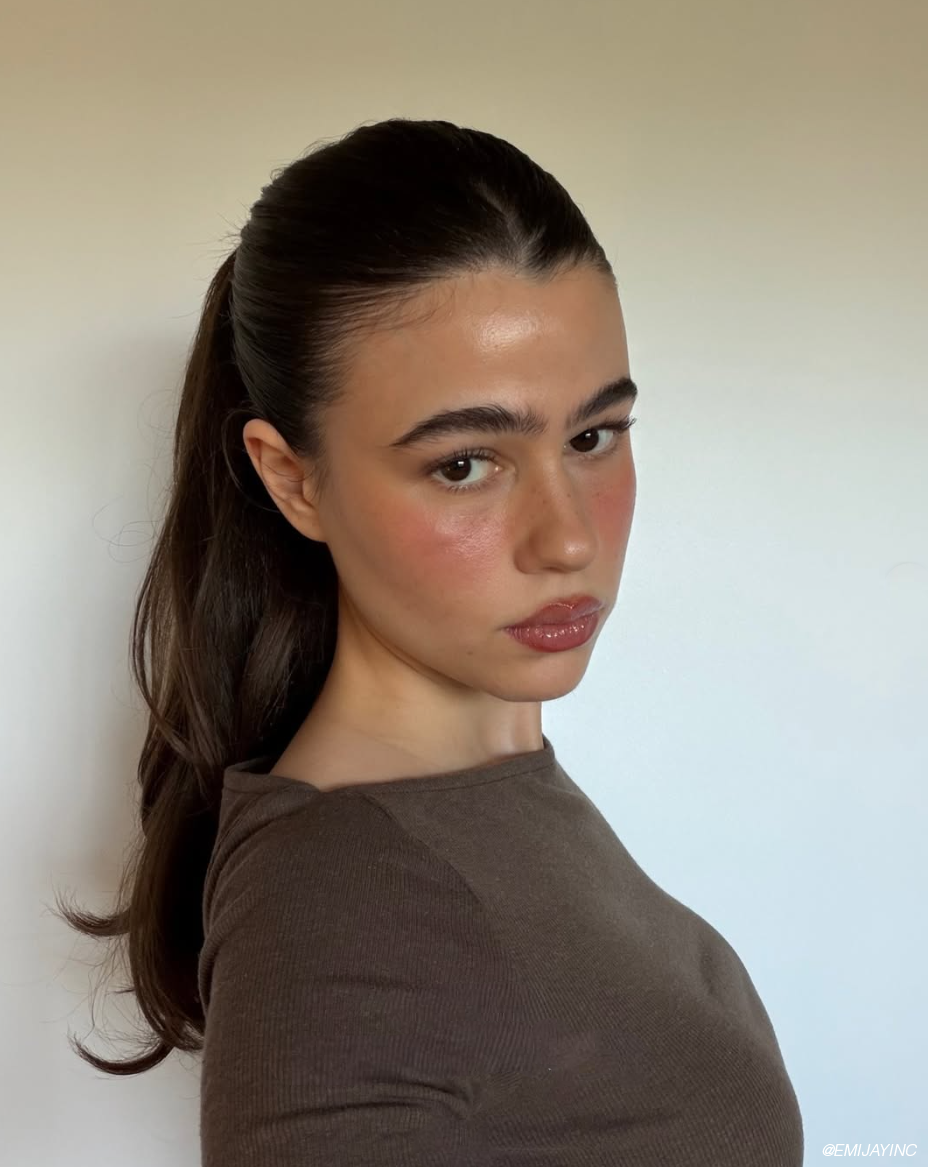
Few hairstyles have the power to make you look this polished with so little effort. Hair pulled away from the face, a glossy finish, not a flyaway in sight. The problem? That ultra-sleek look can come with a less glamorous side effect: breakage, especially around the hairline.
The good news is that you do not have to choose between a polished ponytail and healthy-looking hair. The secret to a slick back that does not wreak havoc on your strands is less about how much product you use and more about how you prep, brush, and secure your hair.
Why Slick Backs Can Cause Breakage
The slick back itself is not inherently damaging. The trouble usually comes from the combination of tension, friction, and rough handling that can happen while creating it.
Pulling the hair tightly into a ponytail or bun puts repeated tension on the same areas, particularly around the temples and hairline. Aggressively brushing through tangles, yanking the elastic out at the end of the day, or repeatedly restyling the same section can make things even worse.
And then there is the product. A strong-hold gel can certainly create that glassy finish, but if you have to keep brushing over the hair to distribute it evenly, you may be creating more friction than you need.
The goal is not to make your hair immovable. It is to make it look intentionally sleek while keeping the actual styling process as gentle as possible.
Start With the Right Prep
The best slick back actually starts before you reach for the brush. If your hair is freshly washed and prone to flyaways, a little conditioning and smoothing can make the hair much easier to manipulate, meaning you will not need to keep brushing the same sections over and over.
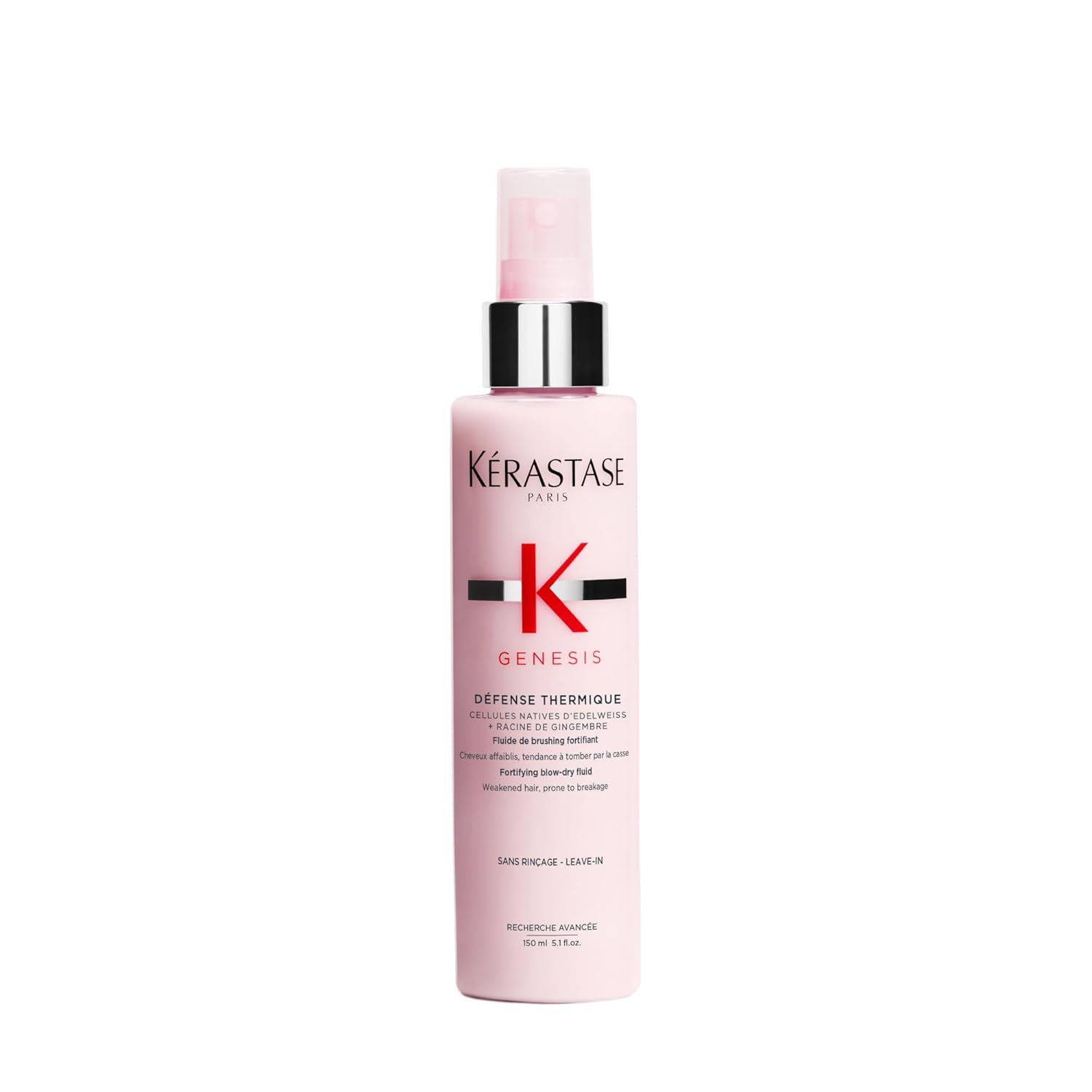
If you are blow-drying your hair first, use a lightweight heat protectant that also helps smooth the strands. Kérastase Genesis Défense Thermique is a particularly good option because it is designed as a blow-dry primer for hair that is prone to breakage while also helping to control frizz. Its lightweight texture means you can prep the hair without turning it into a slippery, overly coated situation.
Kérastase Genesis Défense Thermique

Once the hair is dry, give it a minute to cool before you start pulling it back. Hair that has just been exposed to heat can be more difficult to manipulate smoothly, and rushing straight from blow-dryer to elastic usually means more brushing and tugging than necessary.
Do Not Brush Your Hair Back All at Once
This is where a lot of slick backs go wrong. Instead of attacking the entire head with a brush and pulling everything backward in one dramatic sweep, work in sections.
Start with the sides, then move toward the crown, gently guiding each section toward where you want your ponytail or bun to sit. If you hit a knot, stop and work through it rather than forcing the brush through.
A boar-bristle or mixed-bristle brush can help distribute natural oils and smooth the surface of the hair, while a smaller edge brush can handle the hairline with more precision. The important part is the pressure. You want the brush to guide the hair, not drag it.
And remember, sleek does not have to mean painfully tight. Leaving a little softness around the hairline can actually make the finished style look more modern while taking some of the tension off your strands.
Use Product to Smooth, Not Glue
There is a fine line between a slick back and a helmet. If you need multiple layers of gel to keep every strand in place, your technique may be doing too much of the work.
Instead, apply product in small amounts and smooth it through the hair with your hands before reaching for your brush. Concentrate the product where you actually need control, particularly around the crown, sides, and hairline, rather than coating the entire head.
For the final pass, Color Wow Pop + Lock High Gloss Finish is an easy way to add that polished, reflective finish without making the hair feel stiff. The lightweight oil-serum formula is designed to smooth frizz, boost shine, and temporarily seal the appearance of split ends. It can also be used on dry hair, which makes it useful for taming those last few flyaways once the style is already in place.
Color Wow Pop + Lock High Gloss Finish

Use just a few drops. The point is glossy and polished, not greasy. Rub it between your palms first, then lightly skim your hands over the surface of the hair.
The Elastic Matters More Than You Think
You can execute the world's gentlest slick back and still create unnecessary stress with the wrong hair tie.
Avoid elastics that are extremely tight or have exposed metal pieces that can catch on the hair. A soft, snag-free elastic is a much better choice, especially if you wear your hair pulled back regularly.
When securing a ponytail, tighten it enough to hold the style but not so much that you feel pressure around your scalp. If you can feel your ponytail pulling every time you turn your head, it is probably too tight.
For a bun, twist the hair loosely enough that you are not creating a second layer of tension on top of the ponytail. A sleek bun can still look structured without being wound into submission.
Be Especially Gentle Around the Hairline
The little hairs around your face are often the first casualties of an overworked slick back. They are finer, more delicate, and frequently subjected to the most brushing and pulling.
Rather than repeatedly brushing the hairline backward, use your fingers to smooth it first. Then use a small amount of product and a soft brush to refine the finish.
You also do not need to slick every baby hair completely flat. Leaving a few wispy pieces around the temples can make the style feel softer and more intentional, rather than like you spent 45 minutes trying to defeat every strand of hair you own.
Never Rip the Style Out at Night
Removing a slick back is just as important as creating one.
Do not yank out the elastic or pull the entire ponytail apart in one motion. Gently loosen the hair tie first, then work it out of the hair. If you used a lot of product, you may want to loosen the style with your fingers before brushing.
And if your hair feels especially stiff from product, resist the urge to aggressively brush it out while it is still coated. A little patience here can save you a surprising amount of unnecessary breakage.
How Often Should You Wear a Slick Back?
There is no magic number that makes slick backs universally safe or unsafe. It comes down to how tightly you wear the style, how often you repeat it, and how your hair responds.
If you notice soreness around your scalp, increased shedding around the hairline, broken pieces, or a feeling of constant tension, take that as your cue to switch things up. Wear your hair down, try a looser low bun, or change where you place your ponytail so the exact same areas are not under tension every day.
The chicest slick back is ultimately the one that does not require a recovery period.
The Takeaway
A healthy-looking slick back is less about having the strongest gel or the stiffest brush and more about reducing the amount of force involved. Prep the hair, work in sections, use enough product to create slip and control, keep the style comfortably secure, and treat the hairline like the delicate area it is.
Because the goal is polished hair, not hair that has been through a personal battle with your ponytail.
Some of the products featured here may contain affiliate links, meaning we may earn a small commission at no extra cost to you. All recommendations are based on personal use, stylist feedback, or product performance.