Skincare has a way of turning one simple question into five more. You cleanse, then tone, then essence, then serum, then moisturize, then somehow you're standing in front of the mirror wondering if your face really needs all of this.
Toner and essence are two of the most commonly confused steps, largely because they can look remarkably similar sitting on your bathroom counter. Both are typically lightweight, both are applied after cleansing, and both can leave skin feeling fresher and more hydrated. But they aren't necessarily interchangeable.
So, toner vs. essence: what's the actual difference, and do you really need both?
What Is a Toner?
Toner has evolved considerably from the astringent, alcohol-heavy formulas many of us remember. Today's toners can be hydrating, exfoliating, soothing, brightening, or designed to help balance the feel of the skin after cleansing.
The right toner can essentially set the stage for everything that comes next. A hydrating toner adds moisture, while an exfoliating toner can help smooth the appearance of texture and unclog pores. The important part is knowing what your particular toner is actually designed to do.
If you're looking for a gentle, hydrating option, Thayers Hydrating Milky Toner is an easy addition to a daily routine. Its creamy, lightweight texture contains hyaluronic acid and aloe vera to help leave skin feeling moisturized and comfortable rather than tight or stripped.
Thayers Hydrating Milky Toner


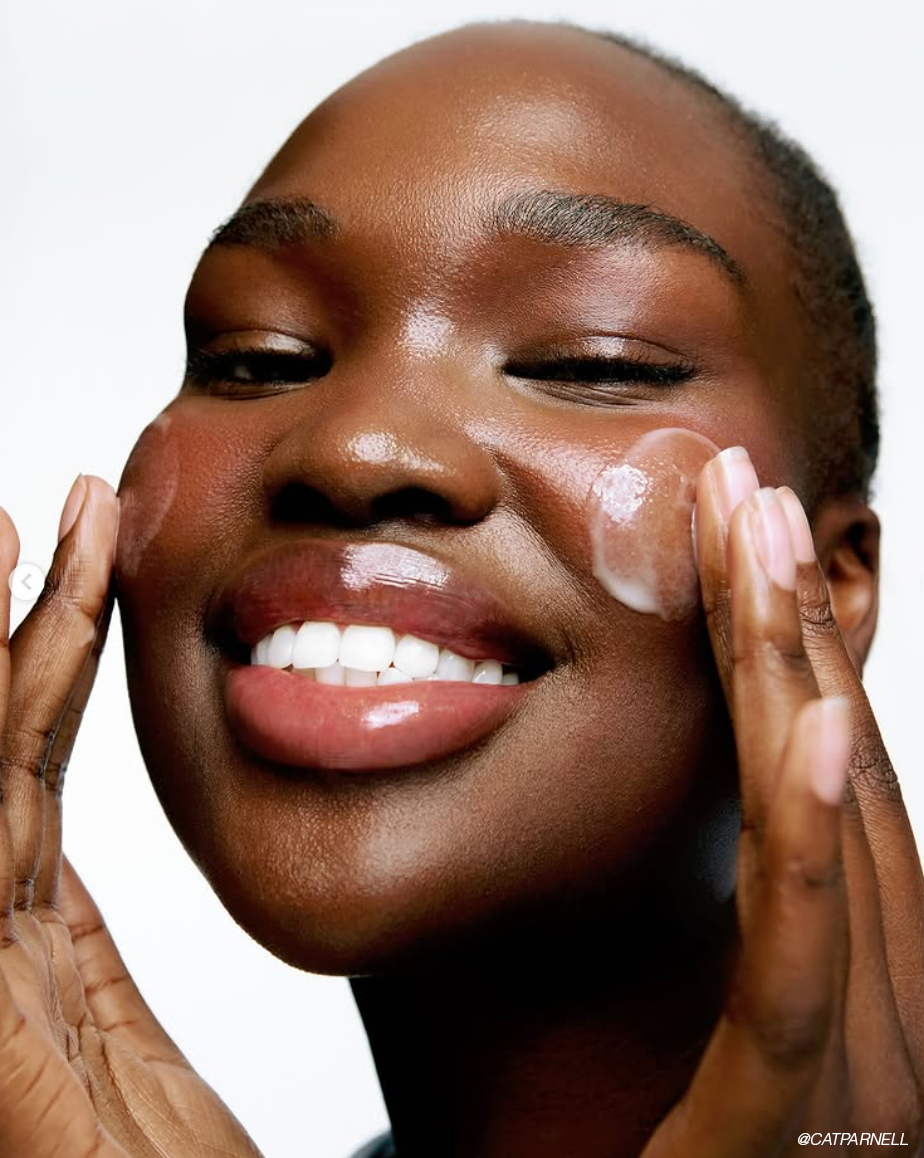
Apply it after cleansing, either with your hands or a cotton pad. For a hydrating formula like this one, pressing it into the skin with your palms can be especially nice when your complexion is feeling dry.
What Is an Essence?
Essence is traditionally associated with Korean skincare and is generally lighter than a serum but more treatment-focused than a basic hydrating mist. The category is broad, but essences tend to focus on hydration, conditioning the skin, and supporting a smoother-looking complexion.
Think of an essence as the "make your skin feel really good" step. It can add an extra layer of hydration and give the rest of your routine a beautifully cushioned starting point.
COSRX Advanced Snail 96 Mucin Power Essence is a cult favorite for a reason. The lightweight essence is formulated with snail mucin to hydrate and help improve the look of uneven texture, while its slightly viscous texture gives skin that fresh, dewy feel without being as heavy as a traditional moisturizer.
COSRX Advanced Snail 96 Mucin Power Essence

Apply a few drops after cleansing and toning, then follow with your serum or moisturizer. It is particularly appealing when your skin is looking dull or feeling dehydrated and you want to add moisture without adding a rich cream.
Toner vs. Essence: What's the Difference?
The easiest way to think about it is this: toner is a category that can serve several different purposes, while essence is generally centered around hydration and skin conditioning.
A toner might contain exfoliating ingredients such as acids, soothing ingredients, antioxidants, or simply hydrating ingredients. An essence is usually designed to add moisture and prepare the complexion for subsequent skincare.
But here's where things get confusing: modern skincare has blurred the line considerably.
Some toners are as hydrating as essences. Some essences contain ingredients you might traditionally associate with serums. And some products are marketed as toner-essence hybrids.
The name on the bottle matters less than the formula inside it.
Do You Need Both?
No. And honestly, your skin may not care which label you choose.
If you have a simple routine and your skin feels perfectly hydrated after cleansing, you can skip both. Skincare is not a checklist where every category has to make an appearance.
If you want to add one, choose based on what your skin is asking for. A hydrating toner can be a great choice if you want a lightweight moisture boost. An essence makes sense if you want to layer hydration and give your skin a plumper, more cushioned feel.
Using both can be lovely, too, particularly if your skin is dry or dehydrated. Layer a lightweight toner first, followed by an essence, then continue with serum and moisturizer. Just make sure you're not stacking multiple products with the exact same purpose simply because your routine feels incomplete without them.
When Toner Makes More Sense
Toner is the more versatile choice if you have a specific skin concern you want to address.
If you're dealing with excess oil or clogged pores, an exfoliating toner containing ingredients such as salicylic acid may be useful. If your skin is sensitive or dry, a soothing or hydrating toner is likely a better fit. If your complexion looks dull, you might look for a formula containing brightening or antioxidant ingredients.
The important distinction is that "toner" doesn't automatically mean one particular result. Read the ingredient list and product claims rather than buying one simply because the bottle says toner.
When Essence Makes More Sense
Essence is especially appealing if hydration is your main goal. If your skin feels tight after cleansing, looks a little flat, or seems to drink up moisturizer almost immediately, an essence can add another lightweight layer of moisture without turning your routine into a 12-step production.
It can also be a nice middle ground if you want something more substantial than a mist but don't want another serum.
For dry skin, you can even apply an essence while your skin is still slightly damp after cleansing. The added moisture can help create that fresh, dewy finish that makes skincare feel particularly satisfying.
Can You Use Toner and Essence Together?
Absolutely. If you enjoy both and your skin responds well to them, there's no reason they can't coexist.
The usual order is cleanser, toner, essence, serum, moisturizer, and sunscreen in the morning. If you're using an exfoliating toner, however, you may not need to use it every day, and you should be more thoughtful about pairing it with other potentially irritating actives.
For a simple hydrating routine, you can layer a toner and essence one after another. Use thin layers and give each product a moment to settle before moving on. You don't need to soak your face in product to get the benefits.
What About Exfoliating Toner?
This is where toner deserves a little extra attention.
An exfoliating toner containing alpha hydroxy acids or beta hydroxy acids is not simply another hydration step. These formulas are designed to exfoliate the skin, which can help improve the appearance of uneven texture, congestion, and dullness.
Because of that, more is not better. Start slowly, especially if you're new to chemical exfoliation, and avoid piling an exfoliating toner on top of several other strong actives in the same routine.
If you're already using retinol, exfoliating acids, or other active treatments, keep the rest of your routine simple on nights when you exfoliate. Your skin doesn't need a competition between ingredients.
The Bottom Line
Toner and essence can both be useful, but neither is a mandatory step.
Choose toner when you want a product that targets a specific concern, whether that's hydration, oiliness, exfoliation, or soothing. Choose essence when you want to add lightweight hydration and give your complexion a softer, more conditioned feel.
And if your routine already works beautifully without either? Keep doing what you're doing. The best skincare routine isn't the longest one. It's the one that makes sense for your skin and that you'll actually keep using.
Some of the products featured here may contain affiliate links, meaning we may earn a small commission at no extra cost to you. All recommendations are based on personal use, stylist feedback, or product performance.