
Travel has a way of revealing exactly how sensitive your skin can be. One day you are stepping off a flight glowing with anticipation, and the next your complexion feels tight, flushed, and unfamiliar. Long flights, climate shifts, recycled cabin air, and disrupted routines can all push skin into a reactive state.
Even complexions that are normally balanced can become easily irritated when traveling. The goal is not necessarily to maintain a full skincare routine while moving between destinations. Instead, it is about protecting the skin barrier and keeping inflammation to a minimum. A thoughtful, pared back approach can make the difference between arriving with calm, hydrated skin or spending the first days of a trip trying to repair it.
Why Travel Can Trigger Skin Sensitivity
Air travel alone can significantly disrupt the skin’s equilibrium. Humidity levels inside airplane cabins often drop below 20 percent, far lower than what skin needs to remain hydrated. This lack of moisture pulls water from the outer layers of the skin, leaving it dry, tight, and more prone to redness.
Then there are environmental changes. Moving between climates exposes skin to unfamiliar temperatures, humidity levels, and pollution. A winter departure from New York followed by arrival in a tropical destination, for example, can shock the skin barrier.
Routine disruption also plays a role. Sleep schedules shift, hydration habits change, and skincare routines are often simplified or skipped entirely. The skin barrier, which relies on consistency, responds quickly to these fluctuations.
The result can show up as redness, dryness, unexpected breakouts, or general sensitivity. Fortunately, a few strategic adjustments can keep skin far more balanced throughout the journey.
Focus on Barrier Support
When skin becomes irritated during travel, the barrier is usually compromised. The outermost layer of the skin is responsible for keeping moisture in and environmental stressors out. Once weakened, skin becomes reactive and easily inflamed.
Barrier-supporting ingredients become essential in this context. Look for formulas containing ceramides, glycerin, squalane, and soothing agents like colloidal oatmeal or panthenol. These ingredients help reinforce the lipid layer that keeps skin hydrated and protected.
Rather than layering multiple actives, travel skincare tends to work best when it focuses on repair and hydration. A gentle cleanser, a nourishing moisturizer, and a calming treatment are often enough to maintain balance until you return home.
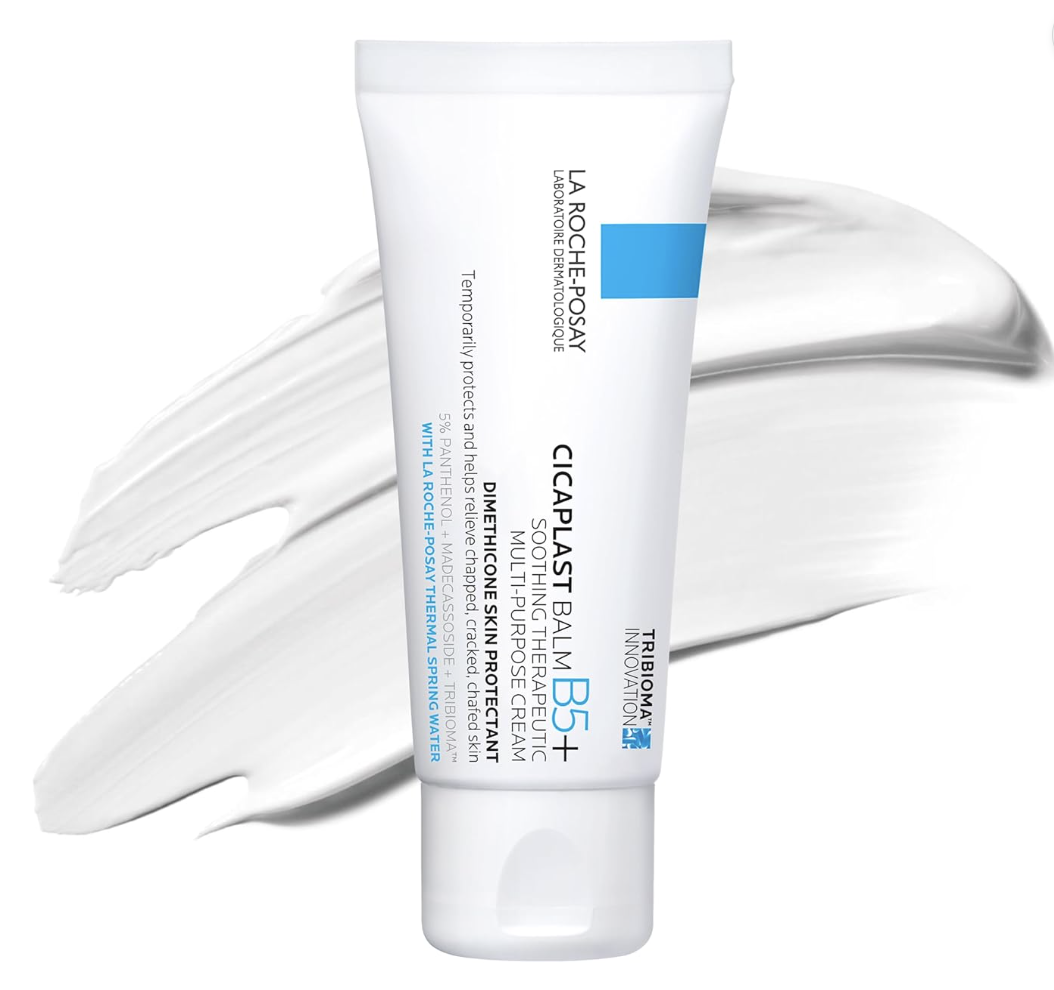
This is where certain tried-and-true formulas earn their place in a travel bag. La Roche-Posay Cicaplast Baume B5 has developed something of a cult following among dermatologists and beauty editors for exactly this reason. Rich in panthenol and madecassoside, the balm acts almost like a protective cocoon for stressed skin. Applied overnight after a long flight or a day of environmental exposure, it helps reduce redness while restoring comfort to compromised skin.
La Roche-Posay Cicaplast Baume B5

Simplify Your Routine
It can be tempting to pack a miniature version of every product in your bathroom cabinet. In reality, skin often responds better to fewer steps while traveling.
Overloading the skin with active ingredients such as retinol, exfoliating acids, and strong vitamin C formulas can increase irritation when the skin barrier is already under stress. Instead, consider temporarily scaling back these treatments.
A gentle cleanse, a hydrating serum, and a nourishing moisturizer are often more than enough to keep skin balanced while traveling. If your skin is particularly sensitive, even skipping exfoliation for a few days can make a noticeable difference.
The goal is stability rather than transformation. Travel is not the moment to experiment with new actives or intensive treatments.
Hydration Is Everything
Hydration remains one of the most effective ways to keep skin calm during travel. This applies both internally and topically.
Drinking water consistently throughout a journey helps support skin from within, particularly on long flights where dehydration is common. Alcohol and excessive caffeine can worsen dryness, making it worthwhile to moderate both while traveling.
Topical hydration is equally important. Lightweight hydrating layers can replenish moisture without overwhelming the skin. Ingredients like hyaluronic acid, glycerin, and aloe vera attract water to the skin and help maintain elasticity.
Face mists have also become a staple for frequent travelers. While they are not a replacement for moisturizer, they can provide a refreshing boost of hydration during long days in transit.
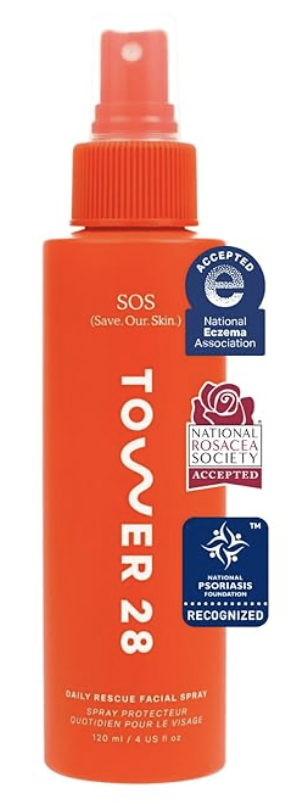
Tower 28 SOS Daily Rescue Facial Spray has gained popularity among those with reactive skin. The hypochlorous acid formula is designed to calm visible redness and support the skin barrier, making it particularly useful after flights or long days spent in unfamiliar environments.
Tower 28 SOS Daily Rescue Facial Spray
Be Mindful of Environmental Stress
Travel exposes skin to a surprising range of environmental triggers. Urban pollution, strong sun exposure, dry air, and even hotel water quality can influence how the skin behaves.
Sun protection becomes especially important. Even if your destination is not tropical, UV exposure can aggravate already sensitive skin. A gentle, fragrance free sunscreen applied daily helps prevent inflammation and protects the skin barrier.
Pollution is another overlooked factor. In busy cities, airborne particles can settle on the skin throughout the day. Cleansing thoroughly in the evening removes these pollutants and prevents them from contributing to irritation or breakouts.
Temperature changes also deserve attention. Moving between heated interiors and cold outdoor air, or air conditioned spaces and humid outdoor climates, can cause skin to fluctuate between dryness and oiliness. Maintaining consistent hydration helps stabilize these shifts.
Prioritize Recovery at Night
Nighttime is when skin performs much of its repair work. While traveling, allowing the skin to recover overnight becomes even more important.
A slightly richer moisturizer or barrier cream applied before bed can help counteract the day’s environmental stress. This is also an ideal moment to incorporate soothing treatments that calm redness and replenish moisture.
Sleep itself plays a critical role. Jet lag, early departures, and late arrivals can quickly disrupt rest. Yet even a small effort to maintain consistent sleep can noticeably improve how skin looks and feels.
The connection between sleep and skin health is well documented. Adequate rest supports collagen production, reduces inflammation, and helps maintain a balanced complexion.
The Takeaway
Travel will always challenge the skin in some way. New environments, long flights, and shifting routines make a perfectly stable complexion difficult to maintain. The key is not perfection but resilience.
A barrier-focused routine, thoughtful hydration, and a simplified approach to skincare can keep irritation at bay. By prioritizing calming ingredients and minimizing unnecessary actives, skin can remain comfortable and balanced throughout the journey.
In many ways, travel skincare mirrors the philosophy of travel itself. Less complexity, more intention, and just enough care to allow everything else to unfold smoothly.
Cover Image Credit: @annahoenmans
Some of the products featured here may contain affiliate links, meaning we may earn a small commission at no extra cost to you. All recommendations are based on personal use, stylist feedback, or product performance.