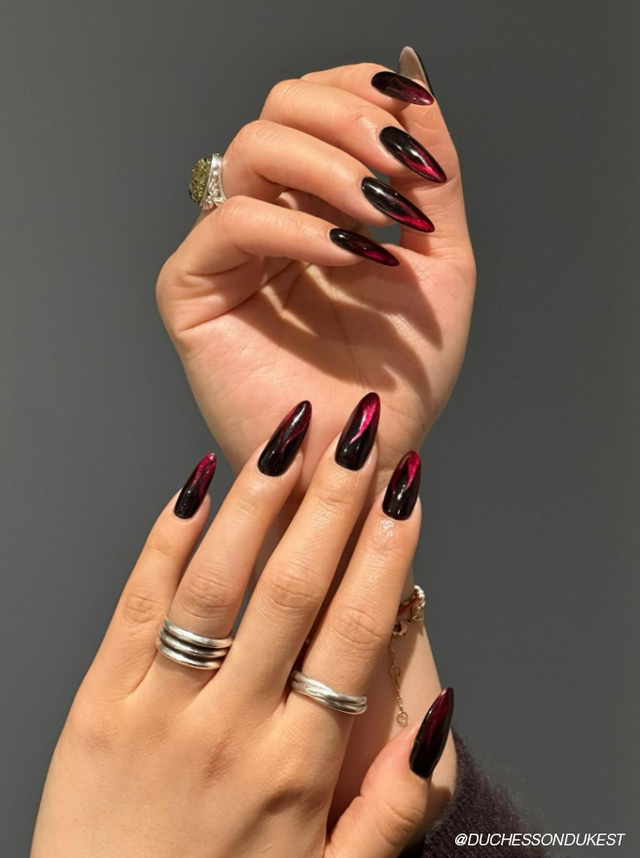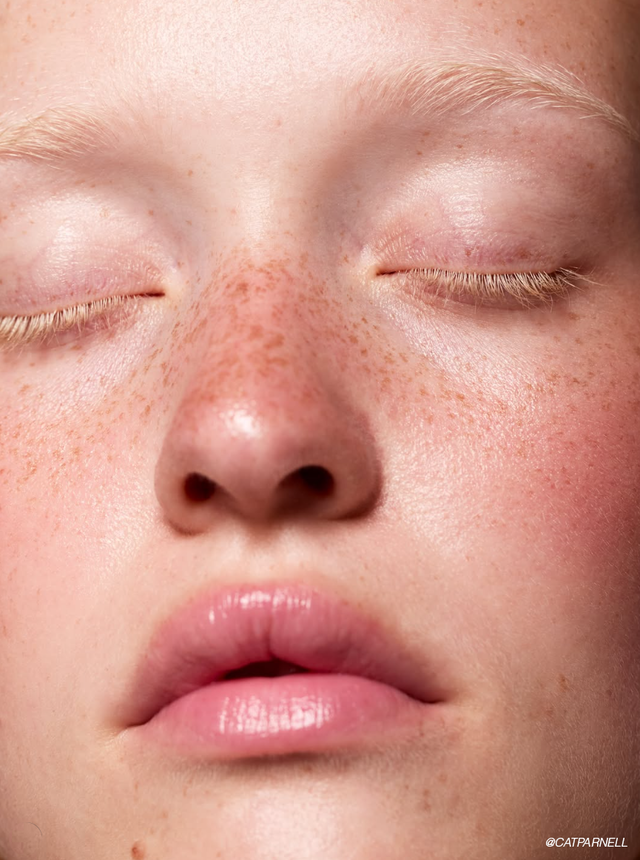
There is a particular kind of glow that feels less like shimmer and more like light itself. Skin that looks freshly polished. Makeup that melts in rather than sitting on top. Texture that seems to vanish under a veil of clarity. Increasingly, that luminosity can be traced back to one quietly transformative treatment: dermaplaning.
In an era defined by high-tech lasers and acid-laced serums, dermaplaning feels almost disarmingly simple. A sterile blade. A precise hand. A gentle sweep across the skin’s surface. Yet its impact is anything but basic. The ritual removes dulling debris and peach fuzz in one deliberate motion, revealing a smoother, brighter canvas beneath. It is the kind of beauty secret that sounds intimidating but delivers elegance in execution.
The Art of the Clean Sweep
At its core, dermaplaning is a method of physical exfoliation. A trained professional glides a surgical-grade blade across the face at a precise angle, lifting away dead skin cells and fine vellus hair. The sensation is surprisingly soothing. No heat. No sting. Just a subtle brushing motion that feels more spa ritual than clinical procedure.
The immediate result is clarity. Skin looks more even, more reflective. Light catches differently. Texture appears refined. And because the process also removes the soft facial hair that can trap oil and debris, complexion products sit seamlessly. Foundation becomes almost optional.
There is a certain polish to dermaplaned skin that feels editorial. Think backstage before a major runway show, when models emerge with bare faces that somehow look perfected. The finish is natural, but elevated.
Why Brightness Follows
Dullness is often less about tone and more about texture. When dead skin accumulates, it diffuses light unevenly. Even the most luminous highlighter cannot compensate for that layer of buildup. Dermaplaning addresses this at the source.
By removing the outermost veil of debris, the skin reflects light more evenly. The effect is immediate. There is no waiting period, no gradual reveal over weeks. The glow is unveiled in real time.
It also enhances the absorption of skincare. Without that barrier of excess cells, serums penetrate more efficiently. Hydrating formulas sink in with intention. Vitamin C treatments appear more potent. The routine you already love begins to perform at its peak.
When Exfoliation Becomes Essential
Dermaplaning offers a level of smoothness that is difficult to replicate with every other product or treatment, but there are ways to approach a similar result at home when in-studio treatments are not an option. A well formulated chemical exfoliant experts return to time and again is a gentle alpha hydroxy acid serum. Glycolic and lactic acids work by dissolving the bonds that hold dull surface cells in place. Over time, regular use helps reveal fresher, brighter skin without the need for a blade.
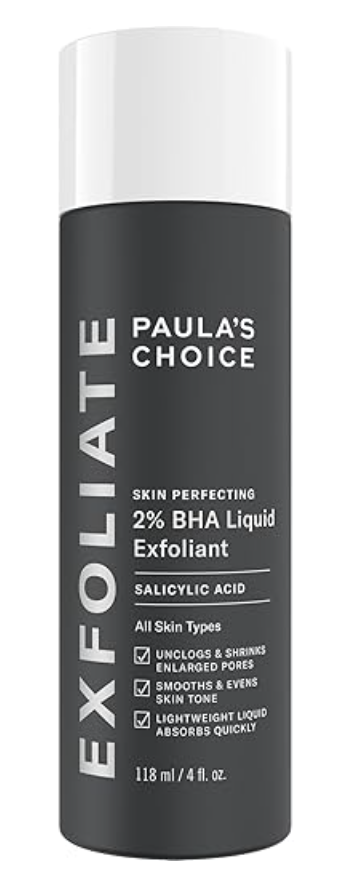
For those seeking a refined at home alternative, a well balanced chemical exfoliant can step in gracefully between appointments. Paula's Choice 2% BHA Liquid Exfoliant has become something of a modern classic for precisely this reason. Formulated with salicylic acid, it gently penetrates pores to dissolve excess oil and debris while helping to smooth uneven texture. The lightweight, leave-on formula absorbs quickly, making it easy to layer with the rest of your routine. With consistent use, skin appears clearer, calmer, and more refined, with a noticeably healthier glow.
Paula's Choice 2% BHA Liquid Exfoliant

The Makeup Artist’s Quiet Obsession
Ask any seasoned makeup artist and dermaplaning will inevitably enter the conversation. Smooth skin is the ultimate primer. Without fine hair and dry patches disrupting the surface, complexion products blend effortlessly.
Concealer glides. Cream blush diffuses. Even powder appears more refined. The dreaded caking around the nose or along the jawline becomes far less common. For brides, red carpet appearances, or any moment when skin is photographed under unforgiving light, dermaplaning is often the hidden step.
There is also an unexpected confidence boost. Skin feels softer to the touch. It carries that freshly treated smoothness that invites minimal makeup rather than layers of coverage.
At Home Versus In Studio
Professional dermaplaning is performed in clinical or spa settings, often by licensed aestheticians or dermatology teams. Institutions such as the American Academy of Dermatology emphasize the importance of sterile tools and proper technique to minimize irritation and ensure safety.
That said, at-home facial razors have become increasingly popular. While they can offer a light exfoliating effect, they are not identical to professional treatments. The blades are smaller, the pressure gentler, the results more subtle.
If you choose to experiment at home, preparation is paramount. Skin should be freshly cleansed and completely dry. The blade should be held at a slight angle, with featherlight strokes moving downward. There should be no dragging, no pressure. Think whisper, not scrape.
Aftercare is equally important. Skin may feel more sensitive immediately following the treatment, so leaning into calming, hydrating formulas is essential. A replenishing serum layered under a barrier-supporting moisturizer helps maintain that newfound radiance without tipping into irritation.
Debunking the Hair Myth
One persistent myth continues to shadow dermaplaning: that hair will grow back thicker or darker. In reality, vellus hair remains soft. The follicle itself is unaffected by the superficial exfoliation, meaning regrowth appears exactly as it did before.
What may feel different initially is simply the blunt tip of freshly cut hair as it grows in. Within days, that sensation dissipates. Texture returns to normal, with no change in density or color.
Understanding this distinction is key. Dermaplaning is about surface refinement, not hair alteration. It is an aesthetic adjustment rather than a biological shift.
Who It Is For?
Dermaplaning suits a wide range of skin types, particularly those concerned with dullness, uneven texture, or makeup application. It can be especially transformative for individuals with dry or mature skin, where buildup tends to linger and emphasize fine lines.
However, those with active acne or highly reactive complexions should approach cautiously. The blade can exacerbate inflammation if used over breakouts. Consulting with a dermatologist before scheduling a treatment is always wise, particularly if you are navigating conditions like rosacea or severe sensitivity.
When performed correctly, dermaplaning is gentle. There is minimal downtime. Some experience slight redness immediately after, but it typically fades within hours, revealing that coveted glow.
The Ritual of Refinement
In many ways, dermaplaning feels like a modern evolution of old-world grooming rituals. There is something intimate about the act of carefully refining the skin’s surface. It demands presence. Precision. Intention.
It also encourages a less-is-more approach afterward. When skin looks luminous on its own, the urge to mask it diminishes. A sheer tint. A touch of mascara. Perhaps a gloss. The face feels complete without heavy embellishment.
Maintenance varies, but many opt for treatments every three to four weeks to align with the skin’s natural renewal cycle. Overdoing it can compromise the barrier, so restraint remains part of the elegance.
The Glow That Speaks Softly
In a beauty landscape saturated with bold claims and dramatic transformations, dermaplaning offers something subtler. It does not change your features. It refines them. It does not add. It subtracts what no longer serves.
The result is skin that appears smoother, brighter, and undeniably polished. A glow that reads as health rather than highlight. A finish that feels effortless, though quietly intentional.
Sometimes, the most transformative beauty secrets are not about layering more. They are about revealing what is already there.
This article is for informational purposes only and is not intended as medical advice. Dermaplaning is not suitable for everyone, and results may vary depending on skin type and condition. Readers should consult a licensed skincare professional or dermatologist before trying any new treatment, especially if they have sensitive, reactive, or medically treated skin.
Cover Image: @leahleclerc
Some of the products featured here may contain affiliate links, meaning we may earn a small commission at no extra cost to you. All recommendations are based on personal use, stylist feedback, or product performance.