Disclaimer: This article is for general informational purposes only and is not medical advice. Always consult a physician, dermatologist, or qualified healthcare provider if you’re concerned about hair loss or changes in your health.
There’s a moment every winter, usually somewhere between aggressive radiator heat and the third week of cold winds, when you look at your hairbrush and think, Wait… is this normal?
Seasonal shedding is real, and for many people, winter is prime time for increased fallout. But how do you know when it’s just your hair responding to the weather and when it might be a sign of something more?
Why Winter Can Trigger More Shedding
Winter is basically a perfect storm for unhappy hair. Colder air holds less moisture, indoor heating dries everything out, and rapid temperature changes can stress the hair fiber. But the scalp also takes a hit: low humidity can weaken the barrier, causing dryness, irritation, and yes, more shedding.
There’s also a biological component. Some studies suggest our hair follows a seasonal rhythm, with more strands entering the “telogen,” or resting/shedding phase, in late fall and winter. In other words, your body may be wired to lose a bit more hair this time of year.
Seasonal shedding typically looks like a mild increase—enough to notice, but not enough to create visible thinning.
When to Suspect It’s More Than Seasonal
Seasonal shedding is usually temporary, but some signs suggest it’s more than the usual seasonal swap. Pay attention if your hair seems noticeably thinner, with more scalp showing, or if you notice patchy, round areas of complete shedding. Sudden, dramatic hair loss, scalp irritation, severe itching, inflammation, scaly patches, or mid-shaft breakage (often mistaken for shedding) are all signals that something else may be at play.
Hair doesn’t just fall out for no reason. Nutritional gaps, stress, hormonal shifts, thyroid changes, postpartum adjustments, medication, or underlying scalp conditions can all tip the balance. If your shedding feels extreme, prolonged, or just “different” from previous years, it’s time to call in a medical professional. Understanding the cause is the first step toward putting your hair back on track.
How to Support Hair + Scalp During Winter
Even if your shedding is simply seasonal, winter is a smart time to be gentler with your hair and more intentional with products. This doesn’t stop shedding entirely, but it can minimize breakage, dryness, and irritation—the things that look like hair loss even if they’re not.
Add these products into your rotation for the perfect winter hair-health routine.
1. Strengthen the Hair Fiber With a Bond-Repair Treatment
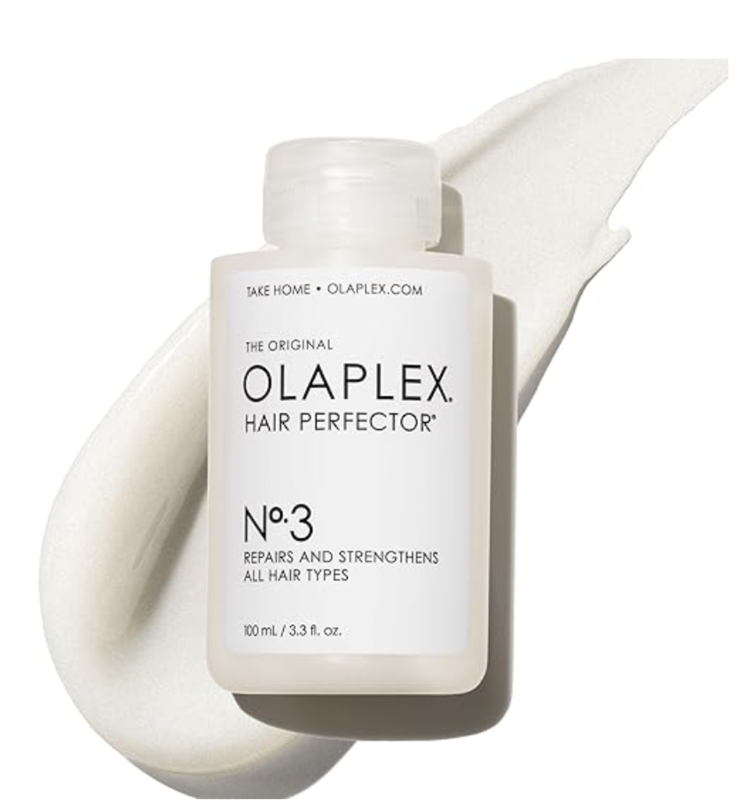
Winter dryness makes hair more brittle, which can lead to mid-shaft snapping. A weekly bond-repair mask—something like Olaplex No. 3, which is designed to reinforce broken bonds—can help hair stay intact despite the harsh weather. You’re not stopping seasonal shedding here; you’re preventing breakage from adding to the problem. Apply it once a week or every other week, depending on how coarse or processed your hair is.
Olaplex No. 3

2. Nourish the Scalp With a Lightweight, Hydrating Serum
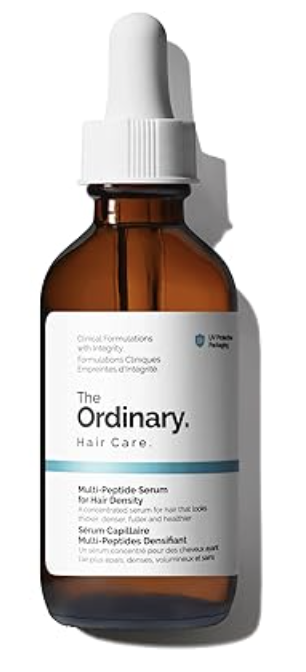
A dry, tight, itchy scalp can contribute to increased fallout, so keeping the scalp balanced is essential. Look for a hydrating, non-greasy scalp serum, such as The Ordinary Multi-Peptide Serum for Hair Density, which is lightweight enough to use daily without making your roots heavy. This serum helps maintain a healthier environment for hair growth by supporting scalp comfort and hydration.
The Ordinary Multi-Peptide Serum for Hair Density
Lifestyle Adjustments That Make a Real Difference
Products can help, but habits matter just as much, especially in winter. A few small tweaks can make shedding feel less dramatic and protect hair from seasonal stress. Start by humidifying your home to add moisture to the air and ease scalp dryness. Keep showers warm rather than scalding hot, since extreme heat strips oils from both hair and scalp.
Be mindful of tension and friction: avoid tight ponytails, buns, and heavy scarves or coats that can tug and break strands. Cut back on heat styling whenever possible; winter already dries hair enough without extra damage. Finally, don’t overlook nutrition. Iron, zinc, vitamin D, and protein all play key roles in hair health. If you suspect a deficiency, consult a doctor rather than self-diagnosing or supplementing blindly—your strands will thank you.
Some of the products featured here may contain affiliate links, meaning we may earn a small commission at no extra cost to you. All recommendations are based on personal use, stylist feedback, or product performance.