If you’re tired of waking up every morning and immediately preparing for battle with your flat iron… if you’re exhausted from fighting humidity-induced frizz that refuses to surrender… or maybe you’re simply craving a fresh, sleek change, take a breath. You have options. Quite a few, actually. And each straightening method works differently, lasts differently, and suits different kinds of hair. The key is understanding what each one actually does before you commit.
Below is your friendly, judgment-free breakdown of the most popular straightening techniques—how they work, who they’re ideal for, and what real life with them is like.
1. Keratin Treatment (Brazilian Blowout, Smoothing Treatment)
Keratin treatments work by infusing the hair with keratin proteins—something your hair naturally contains but loses over time due to heat, coloring, and environmental stress. A stylist applies a smoothing formula (usually containing keratin plus conditioners), seals it into the hair with heat, and then flat-irons it to lock everything in. This creates a smoother cuticle layer, softens your natural curl pattern, and dramatically reduces frizz.
Most people can expect results to last 2–4 months, depending on hair type, lifestyle, and how often they wash their hair.
This method is great for those with wavy or lightly curly hair who want a smoother, more manageable look without erasing texture completely. It’s also ideal if humidity is your sworn enemy and you’re ready for shorter styling sessions. However, if you want hair that stays straight no matter what or you’re avoiding certain ingredient types, keratin might not be your perfect fit.
People love keratin because it leaves hair glossy, smooth, and easy to style—think better hair days with less effort. The tradeoff is that it’s not dramatic in terms of curl removal; it softens curls rather than eliminating them. It also requires some aftercare restrictions (no washing for a day or two, depending on the formula). But for many, that mildness is exactly what makes it appealing.
2. Japanese Hair Straightening (Thermal Reconditioning)
Japanese straightening is one of the most transformational methods because it actually restructures your hair’s internal bonds. First, a chemical solution softens the bonds that create curls and waves. Then, the hair is straightened meticulously with heat, followed by a neutralizer that locks the new, straight shape into place. Once it’s processed, that section of hair stays straight permanently. Only new growth will come in curly or wavy.
Results typically last 6–12 months depending on how fast your hair grows.
This is a strong option for people who want truly straight hair with very little daily effort. Curly, coily, and thick hair types can see huge transformation—sleek, smooth strands that don’t revert with humidity. But if you like alternating between curly and straight styles, or if your hair is already fragile from bleaching or heavy coloring, it may not be the safest route.
Fans of Japanese straightening love its flawless, shiny, straight finish and the fact that styling becomes almost unnecessary. The main drawback is commitment: once you straighten, there’s no going back without cutting or growing the treated portion out. It’s a big decision, but for long-term sleekness, it delivers unmatched consistency.
3. Silk Press
A silk press is a completely non-chemical straightening method that relies on technique—specifically, precise blow-drying and flat-ironing with high-quality heat protectants. Your hair is cleansed, deep-conditioned, blown out, and then straightened with a flat iron to achieve a silky, reflective finish. Because nothing permanently alters the hair’s structure, your natural texture returns the moment you wash it.
Results last until your next wash—typically 1–2 weeks, depending on humidity and your care routine.
Silk presses are a favorite for natural hair (especially Types 3 and 4) because you get sleek, shiny, straight hair without committing to chemicals or long-term bond changes. They’re perfect for someone who wants to enjoy their curls most days but switch up their appearance occasionally.
Most people love the movement and softness a silk press delivers, but the downside is that it’s temporary. Sweat, rain, or humidity can cause reversion quickly. With proper heat protection and technique, damage can be minimized, but consistent heat styling does require care.
4. Traditional Relaxers
Relaxers use chemicals—usually lye or no-lye formulas—to permanently break down the hair’s curl structure. Once processed, the treated hair remains straight until it grows out. Touch-ups are needed every 6–12 weeks to straighten the new growth.
Results are permanent on the treated hair.
Relaxers work well for coarse, tightly curled textures that want long-term straightness with minimal heat styling. They’ve been used for decades and are familiar to many, making them a dependable choice. But because they alter the hair structure so strongly, they’re not ideal for weakened, over-processed, or color-lifted hair.
People appreciate relaxers for their consistency and the simplicity they bring to everyday styling. The drawback is that they require diligent maintenance and a careful moisture-protein balance to keep the hair strong. When done properly, however, relaxers offer a long-lasting, predictable straightening solution.
Extend Your Salon-Fresh Finish
When it comes to extending the life of your straightening treatment, the products you choose make all the difference. Harsh formulas can quietly undo the smoothing work you’ve invested in, while the right ones help preserve shine, manageability, and long-lasting sleekness.
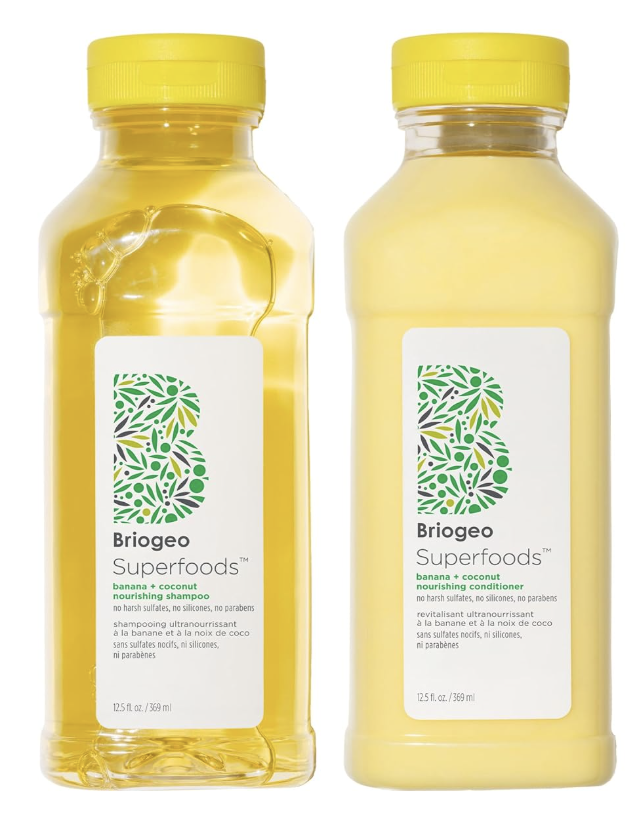
Briogeo Banana + Coconut Nourishing Shampoo + Conditioner Duo: Sulfate-free shampoos and conditioners are gentler and less likely to strip away the smoothing agents or proteins added by straightening treatments, helping your results last longer. Using harsh sulfates or salt-based products can weaken or even partially disrupt the straightening effect, so sticking with gentle, supportive formulas like Briogeo’s helps preserve your style. This duo not only gently cleans and conditions but also restores moisture and softness, perfect for keeping straightened hair healthy and shiny.
Briogeo Banana + Coconut Nourishing Shampoo + Conditioner Duo

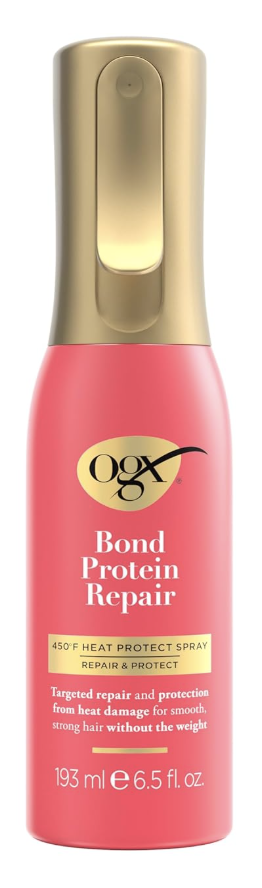
OGX Bond Repair Heat Protect Spray: This spray is a go-to because it’s lightweight and formulated to protect hair from heat while helping repair bond damage. After a straightening treatment, your hair is smoother, but it can still be vulnerable to heat styling or daily environmental stress. This spray comes with a bond-complex that helps strengthen weakened hair without weighing it down. You can mist it on before using any flat iron or blow dryer.
OGX Bond Repair Heat Protect Spray
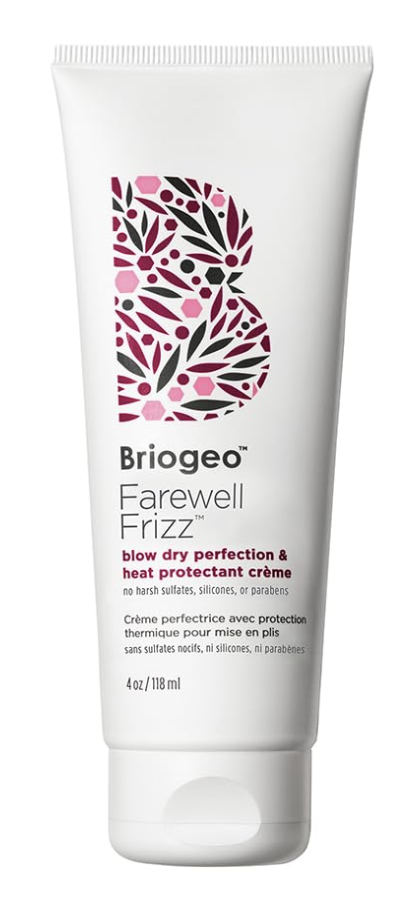
Briogeo Farewell Frizz Blow Dry Perfection Heat Protectant Cream: This is a cream rather than a spray, and it's silicone-free. It's especially nice if your hair tends to frizz or if your straightening treatment left parts of your hair feeling dry. Apply a small amount (dime to quarter-sized) to damp hair, focusing on the mid-lengths to ends, then blow dry or flatten as usual. It helps seal in moisture, tame frizz, and protect against future heat damage up to ~450°F.
Briogeo Farewell Frizz Blow Dry Perfection Heat Protectant Cream
Final Thoughts
Every straightening method has its own purpose: some tame frizz, others transform curls completely, and some simply give you flexibility and shine. Deciding what’s best depends on how long you want results to last, how much maintenance you’re willing to do, and whether you want to preserve your natural texture.
The best part? You get to choose—because today, sleek hair doesn’t mean compromising your identity. It just means picking the path that fits your preferences, your lifestyle, and your hair’s unique personality.
Some of the products featured here may contain affiliate links, meaning we may earn a small commission at no extra cost to you. All recommendations are based on personal use, stylist feedback, or product performance.