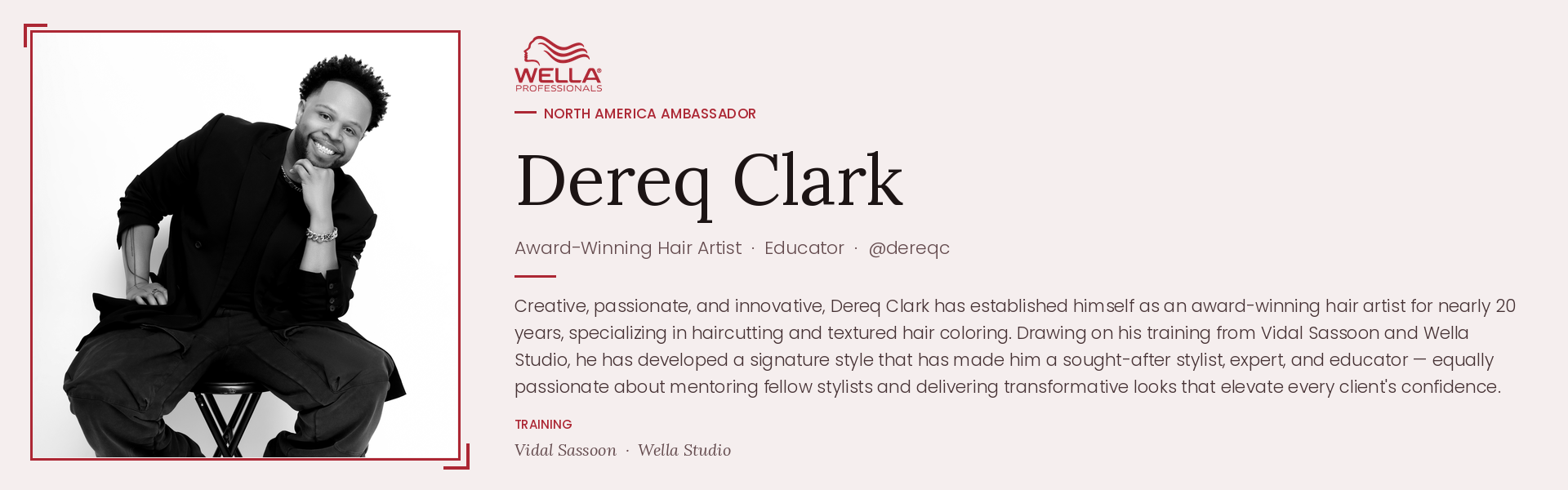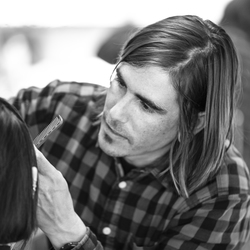
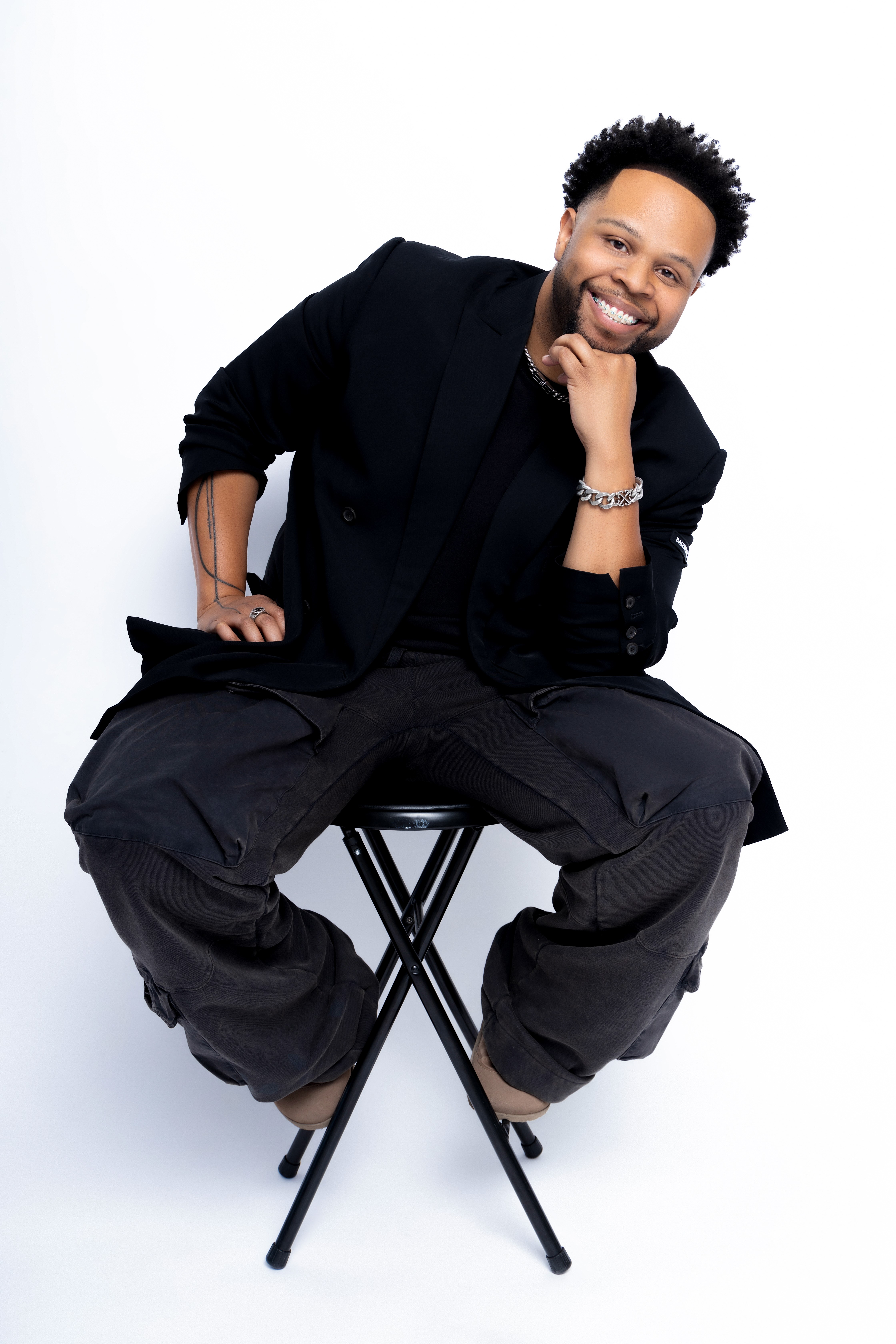
Speaking with Dereq Clark, Wella Professionals Ambassador, we chatted about why hair cycling is becoming an important part of professional hair care, how rotating products can better support color-treated hair, and why healthy hair is always the foundation for longer-lasting color.
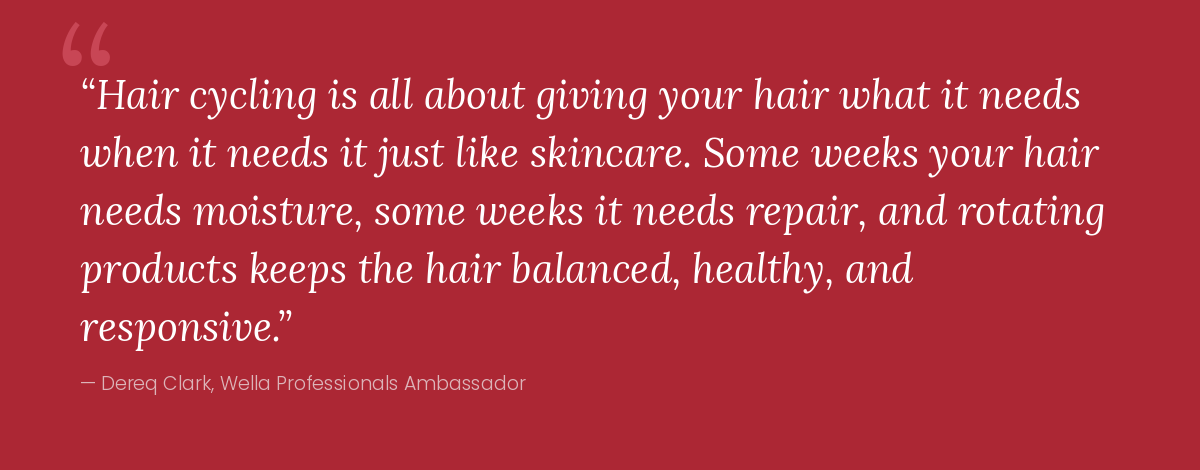
Color-treated hair does not need the same thing every day, every week or every season. Sometimes it needs moisture. Sometimes it needs repair. Sometimes it needs smoothing, softness or extra support after a color service. And that is the idea behind hair cycling.
This movement got its rise through skincare, but it has its own place in hair care. Instead of relying on one product routine for every wash day, hair cycling looks at what the hair needs in the moment and adjusts the routine from there.
For color-treated clients, this balance makes a big difference. The goal is not only to protect the color on the surface but to support strands with strength, softness and increased manageability.
Why Color-Treated Hair Needs More Than Color Care
Color protection is important, but it is only one part of maintaining color-treated hair. After a color service, clients usually focus on keeping their shade vibrant, glossy and fresh between appointments. But if the hair becomes dry, weak, overly porous or harder to manage, your color never stood a chance.
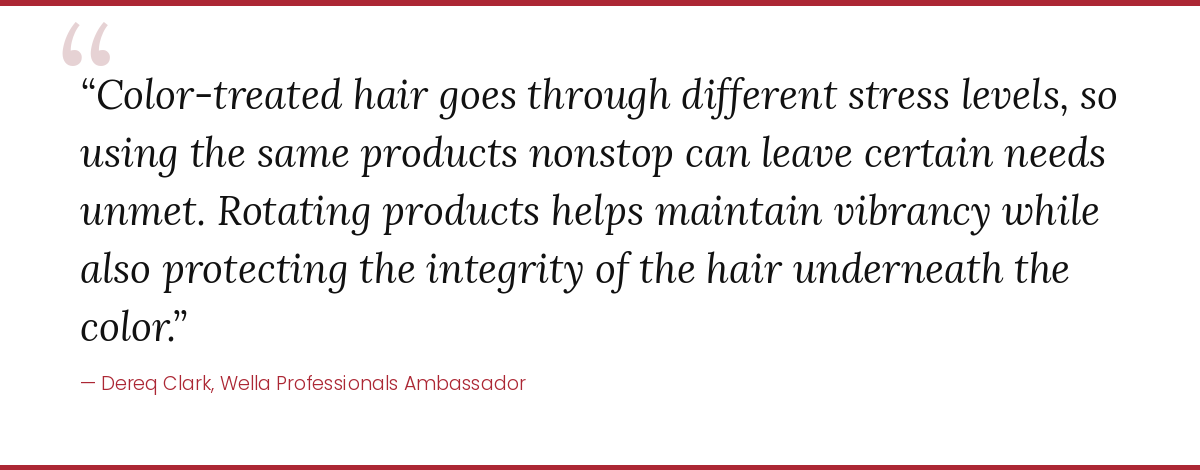
That is an important distinction for clients. A color-protecting shampoo and conditioner can help support vibrancy, but colored hair may still need repair, hydration or smoothing depending on its condition. When those needs are ignored, color can start to look dull, uneven or less reflective over time.
Dereq looks for signs like dullness, dryness, breakage, lack of softness, or when the hair stops responding the way it normally does. Those changes usually signal that the routine needs to shift.
For stylists, hair cycling gives those recommendations more structure. Instead of waiting until the hair feels compromised, stylists can help clients build a routine that supports the color and the condition of the hair at the same time.
How Hair Cycling Supports Color Longevity
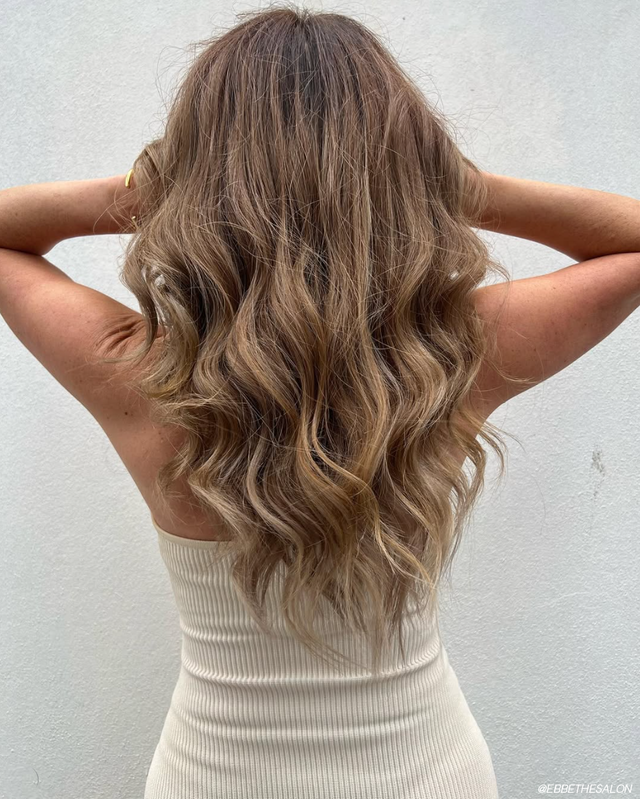
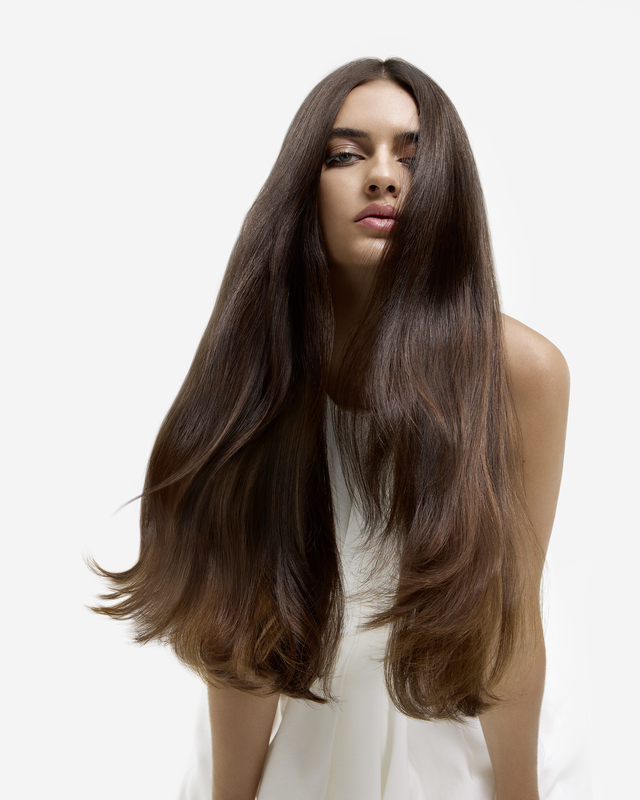
Healthy hair plays a role in how color looks and lasts. When the hair is stronger and more balanced, the strands can look smoother, the finish can feel softer and color can appear more balanced and reflective.
“Hair cycling keeps the cuticle balanced and the hair strong, which helps color stay vibrant longer,” says Dereq. “Healthy hair always holds color better than compromised hair.” That is why repair is still essential, even when the client’s main concern is preserving color. If the foundation of the hair is weakened, the final result may not hold the same shine, softness or tone between appointments.
As Dereq explains, “Repair is essential because damaged hair can’t properly hold onto color. Even the most beautiful color will fade faster if the foundation of the hair isn’t healthy.” This is where the conversation becomes bigger than color maintenance alone. A client may come in asking how to keep their brunette rich, their blonde bright or their red from fading, but the answer often starts with the overall condition of the hair. Stronger hair reflects light better, feels smoother and holds pigment more evenly.
ULTIMATE COLOR, ULTIMATE REPAIR and ULTIMATE SMOOTH
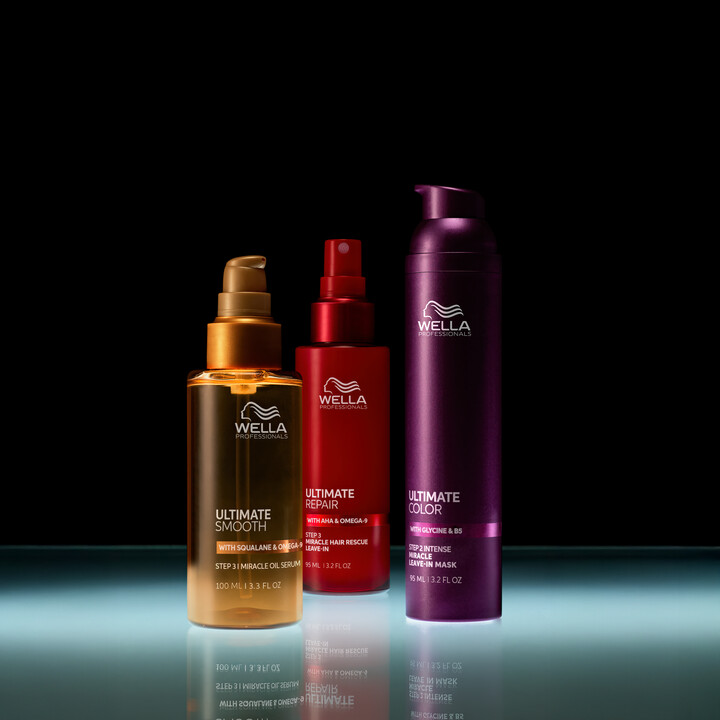
Hair cycling gives stylists a simple way to explain why different products have different roles in a color-treated routine. “I recommend the new ULTIMATE COLOR by Wella when the focus is protecting vibrancy and shine, ULTIMATE REPAIR when the hair feels weakened or compromised, and ULTIMATE SMOOTH when frizz control and softness are the priority.”
That approach helps clients understand that they don’t have to choose one concern forever. Their routine can change based on how their hair feels after an appointment, how often they are styling, the season, their texture, and the condition of their hair.
ULTIMATE COLOR could be ideal in the first weeks after their appointment to help support vibrancy and shine, then rotate in Ultimate Repair when the hair needs strength support. When frizz, softness or manageability becomes the priority, Ultimate Smooth can become part of the cycle.
The point is not to overcomplicate the routine. It is to make the routine more responsive.
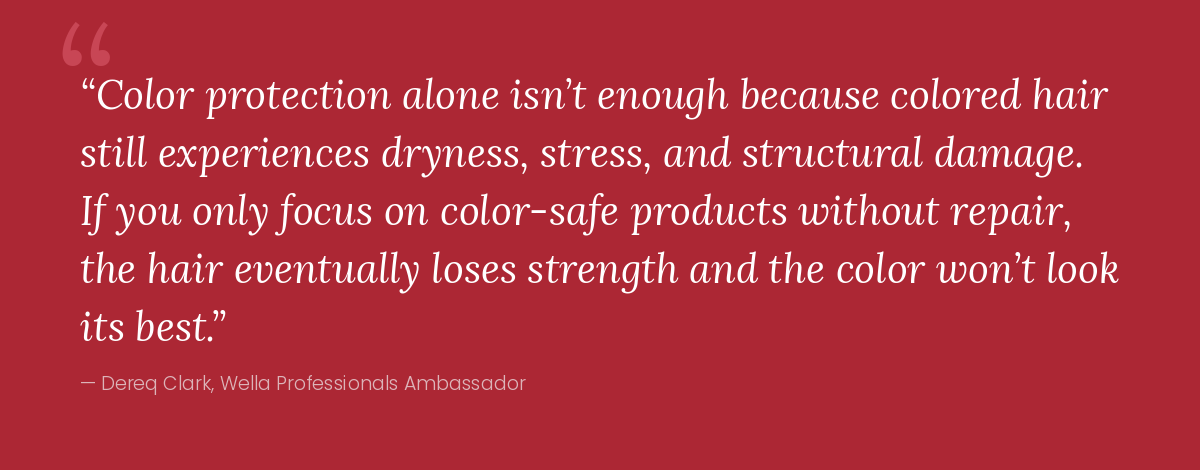
That is where alternating between color care and repair can help prevent the hair from feeling like it has plateaued. When the hair receives both protection and repair support, it is easier to keep the result looking fresh while also supporting the condition of the hair underneath the color.
Why Repair Is Part of Color Maintenance
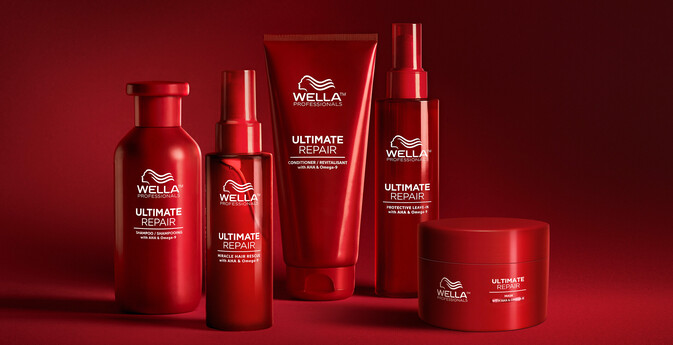
Clients often think of repair as something they need only once the hair feels damaged. But for color-treated hair, repair can be part of the maintenance plan from the beginning.
Without enough repair, color-treated hair can become weak, porous and harder to manage. Over time, that can lead to faster fading, breakage and uneven color results. The hair may still be colored, but it may not have the same softness, shine or movement that made the result feel fresh in the first place. This is why Dereq keeps repair at the center of any routine.
The stronger the hair feels, the better the color can look between salon visits. The smoother the surface looks, the more reflective the tone can appear. The more balanced the hair feels, the easier it is for clients to style and maintain at home.
Hair cycling helps make that idea easier for clients to understand. It shows them that color care, repair, moisture and smoothing are not competing choices, but different parts of the same plan.
Hair Cycling for Textured, Color-Treated Hair
Hair cycling can be especially helpful for textured, color-treated hair because the needs are often more complex. Textured hair can be more prone to dryness and fragility, and color services can add even more stress to the hair.
For textured clients, Dereq pays close attention to hydration, elasticity and strength. Hydration helps keep the hair feeling soft. Elasticity helps show how well the hair is responding. Strength helps determine whether the hair can handle color and styling over time.
“I always pay attention to how the hair stretches, feels, and retains moisture,” says Dereq. “Hydration keeps textured hair soft, elasticity tells me the hair is healthy, and strength ensures it can handle both color and styling long term.”
This also helps stylists spot the common mistakes that can happen after color services. Not enough moisture, over-cleansing and skipping repair treatments can quickly lead to breakage, dullness and loss of curl integrity.
For clients with textured hair, the right cycle may need to be more tailored. Some clients may need more frequent hydration. Others may need consistent repair. Some may need smoothing support to help with manageability, especially if they are heat styling or dealing with humidity. The key is reading the hair instead of relying on one fixed routine.
Where Miracle Hair Rescue Fits In
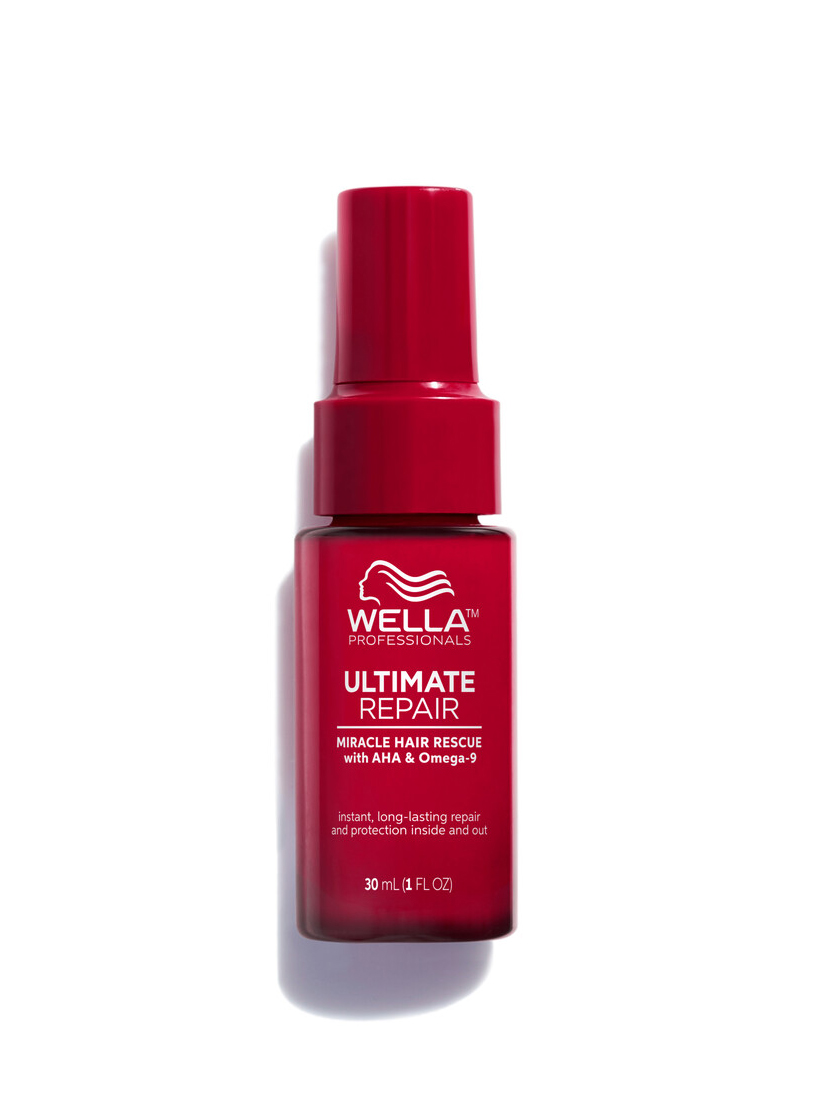
For Dereq, ULTIMATE REPAIR Miracle Hair Rescue is a key part of his repair routine.
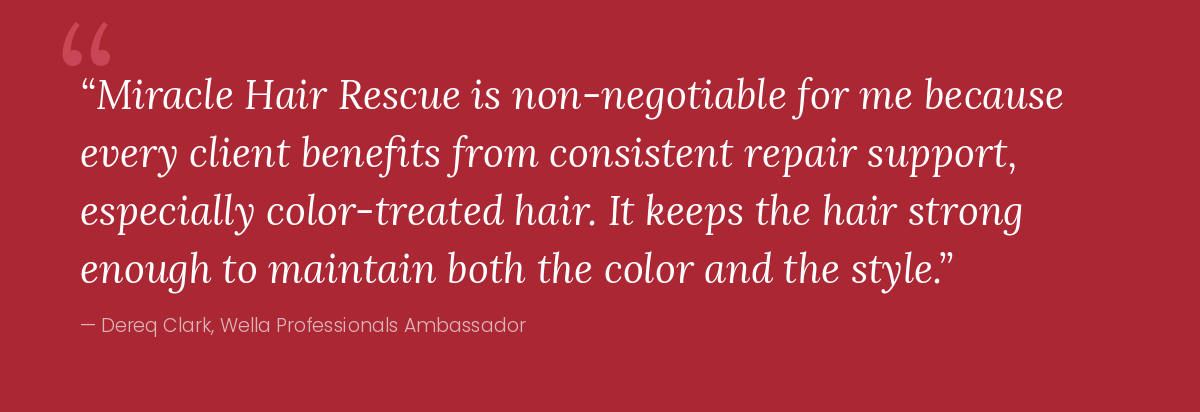
In a hair cycling routine, Miracle Hair Rescue can act as the repair phase without making the hair feel overloaded. The goal is to balance it with hydration, color care and smoothing support so the hair feels stronger, softer and more manageable without feeling heavy or stiff.
“Miracle Hair Rescue fits into hair cycling by acting as the repair phase without overloading the hair,” says Dereq. “I balance it with hydration and color care so the hair stays healthy without feeling heavy or stiff.”
Frequency depends on the client. More compromised or highly textured hair may need weekly repair, while healthier hair may only need it every other week. This is where stylist guidance becomes important, because the routine should respond to what the hair is showing in real time.
When used consistently, Dereq says his clients experience stronger hair, less breakage, better softness and longer-lasting color over time. That consistency helps make repair feel less like an afterthought and more like a step to maintaining the result.
How Clients Can Start Hair Cycling
For clients who have never rotated products before, hair cycling does not need to feel complicated. “I tell clients to start simple rotate between one moisture-focused routine and one repair-focused routine instead of using the exact same products every wash day.”
That is often the easiest entry point. Once the client understands how their hair responds, the routine can become more specific. A color-treated client may start with ULTIMATE COLOR after their appointment, rotate in ULTIMATE REPAIR when the hair needs strength support and then use ULTIMATE SMOOTH when frizz control, softness or manageability becomes the priority.
Some clients may worry that switching products will affect their color, but Dereq sees it differently. “Switching products the right way actually protects the color more because you’re supporting the overall health of the hair. Healthy hair is what keeps color looking fresh and vibrant.” The key is reassessing regularly. Dereq recommends checking in every 4 to 6 weeks, or anytime the seasons, color service or condition of the hair changes. Hair needs evolve, so the routine should evolve with it.
The Future of Professional Hair Care Education
Hair cycling gives stylists a simple, client-friendly way to talk about care without making the routine feel overwhelming. It also helps clients understand that maintaining color-treated hair is not just about preserving tone. It is about supporting the hair so the color can look its best for longer.
For Dereq, the rule is simple.
That is why hair cycling feels so relevant for today’s color clients. It makes hair care more personalized, more responsive and more connected to what is actually happening in the hair.