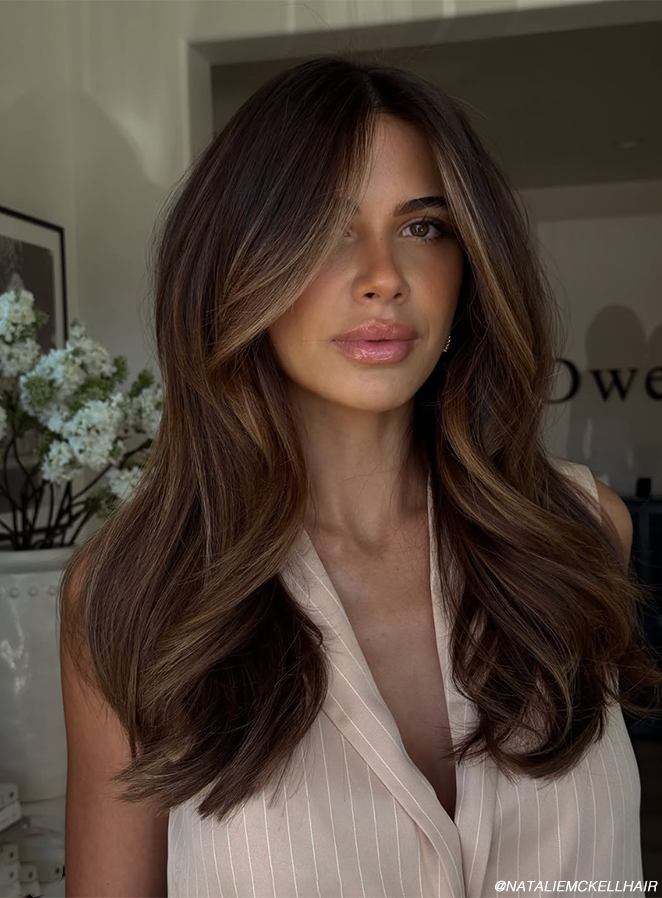
Winter has always been the season of soft textures, cozy layers, and subtle shifts in style—and now, our hair is following suit. The era of bold, high-contrast highlights is giving way to something gentler, richer, and infinitely more wearable: color melting. This seamless blending technique has been quietly rising for a few seasons, but this winter it’s officially everywhere, dominating salon chairs and ushering in a new wave of natural-looking dimension.
And here’s the twist: while color melting feels undeniably fresh, it’s also bringing with it a revival of two beloved trends—ombré and sombré—with a modern, polished twist.
What Exactly Is Color Melting?
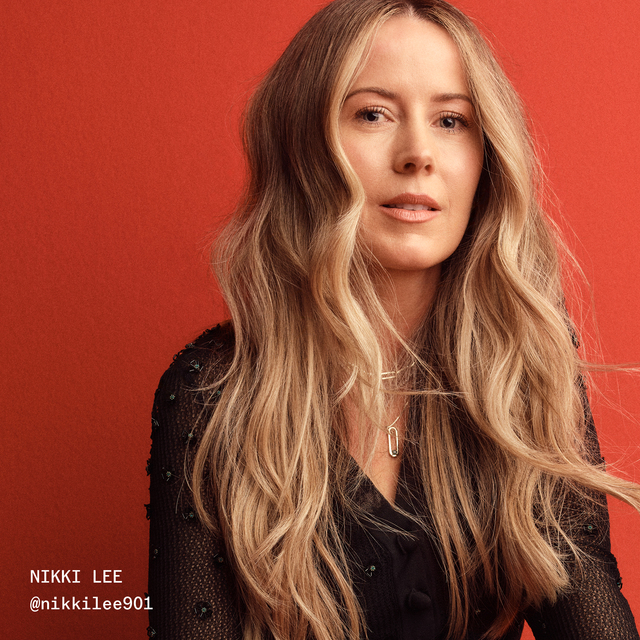
Color melting is the art of blending multiple shades so flawlessly that you can’t tell where one ends and the next begins. Unlike traditional highlights with obvious lines or bright pieces near the roots, color melting focuses on continuity. The result? Hair that looks sun-kissed, lived-in, and impossibly smooth.
Think of it as the grown-up version of highlights—subtle enough to feel chic, dimensional enough to feel luxurious.
Winter is the perfect season for it, too. Cooler temperatures mean less sun exposure and more time indoors, giving blended tones the chance to stay vibrant longer. Meanwhile, the technique naturally adds warmth and shine to hair during a time of year when everything—skin, scalp, ends—needs a little extra love.
The Return of Ombré and Sombré
Every trend has its moment, and ombré certainly had a long one. The early 2010s were practically defined by stark gradients: dark brunette roots fading dramatically into wheat-blonde ends. Around the time everyone swore they’d never go back, something happened—people missed that gradient effect, just not the harsh version of it.
Enter sombré, the softer, more understated cousin: gentler transitions, less contrast, and more refinement.
Now, thanks to the rise of color melting, both ombré and sombré are seeing a well-deserved comeback. This time, though, they look nothing like their predecessors. Color melting has smoothed their edges, elevating them from bold statements to understated luxury.
Today’s ombré is diffused and wearable. Today’s sombré is impossibly natural. And both are being executed with melting techniques so fluid they barely register as “color” at all—they just look like really, really good hair.
Why Everyone Wants Melting This Season
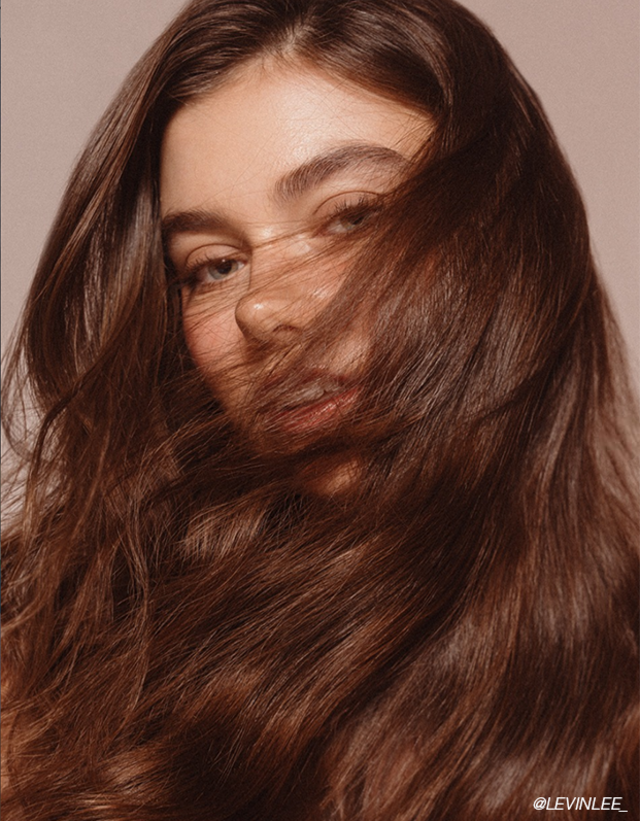
Winter is busy—between holidays, travel, and the year-end whirlwind, who has time for constant touch-ups? That’s where color melting shines. Its seamless dimension grows out beautifully, eliminating harsh lines or brassy bands and turning low-maintenance hair into something effortlessly polished. The magic is that it works with every winter shade, whether you’re embracing rich brunettes, icy blondes, or the season’s favorite copper tones. Each hue appears deeper, healthier, and more luminous, giving hair a natural thickness and shine that feels anything but basic.
What makes color melting even more compelling is how well it works with natural texture. Curls, waves, coils, or pin-straight strands all benefit from the blended tones, which move with the hair and make even air-dried styles look salon-ready. And perhaps the biggest reason the technique is everywhere this season? Its universal flattering factor. The melts can be tailored to skin tone, undertones, lifestyle, and maintenance needs, producing a seamless, sophisticated look that always feels expensive, even when you barely lift a brush.
How Melting Has Upgraded Ombré & Sombré
The revival of ombré and sombré isn’t about nostalgia; it’s about reinvention. Today’s ombré trades stark contrasts and obvious lines for softer roots, mid-shaft blending, and a diffused shift into lighter ends. The result still delivers that bright pop at the bottom, but it looks deliberate and polished rather than like you’ve skipped a color appointment.
Sombré, on the other hand, is practically invisible in its transitions, with subtle ribbons of light creating a natural gradient that feels effortlessly earned, as if you were born with it. Perfect for winter, sombré keeps richness at the crown while offering just a whisper of brightness where it counts, adding dimension without harshness. In both cases, color melting is the secret weapon, smoothing out abrupt shifts and elevating these classic techniques into something sophisticated, seamless, and utterly modern.
What to Ask for at Your Winter Appointment
If you’re ready to ditch harsh highlights for good, there are a few things to ask for at your appointment to get that perfect melt. Request a multi-shade melt instead of traditional foils, and make sure the roots are softly blended to keep the color growing out gracefully.
For a sombré, aim for a subtle shift of just one to two levels, while a modern ombré benefits from a gentle gradient with melted mid-tones for a polished, seamless effect. Finish with toners or glosses to unify the shades and add shine, ensuring the color reads as smooth and luminous.
Bringing inspiration photos is always helpful, but the real magic comes from trusting your colorist—they know exactly how to place each tone so the melt looks effortless and natural.