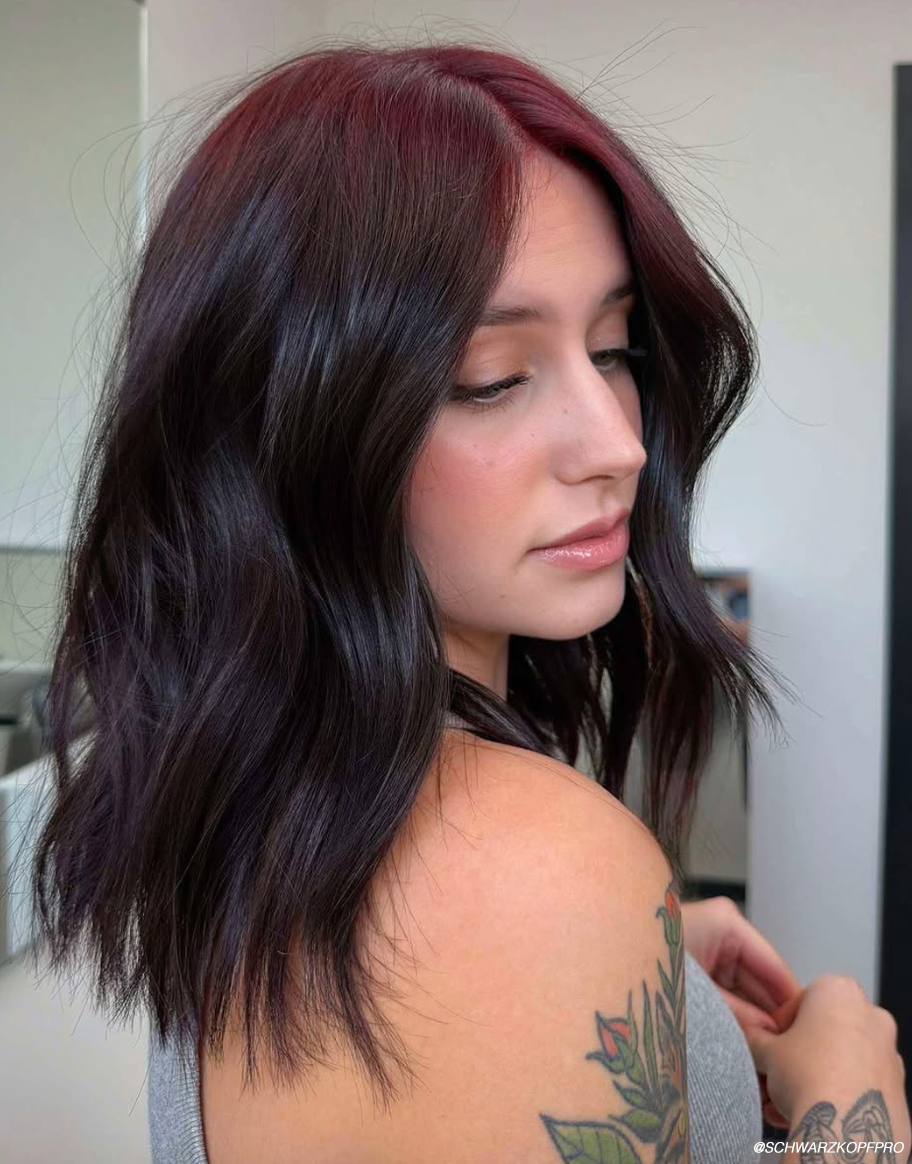
If hair trends have a way of signaling cultural moods, 2026’s most compelling statement may be happening at the root. Enter ghost roots, a look defined by high-contrast color, subtle rebellion, and the kind of intentional imperfection that feels editorial rather than accidental. Unlike the seamless, salon-perfect transitions of ombré or balayage, Ghost roots celebrate the dramatic juxtaposition of natural and dyed tones, creating a shadowy, ethereal halo at the base of the hair.
What makes this trend striking isn’t just the visual tension; it’s the philosophy behind it. Ghost roots embrace growth, imperfection, and authenticity. They are unapologetically bold, yet they also allow for movement, texture, and personality to shine. In a world obsessed with polished perfection, the roots are no longer a problem to cover. They are the canvas.
The Anatomy of Ghost Roots
Ghost roots work by intentionally leaving the natural or darker base visible while allowing the brighter, bleached, or fashion-forward lengths to contrast sharply. The effect is dramatic from a distance, yet soft and organic up close, creating a multidimensional interplay between shadow and light. Depending on the wearer’s base color and chosen dye, the roots can appear moody, whimsical, or even otherworldly.
This trend also blurs the lines between maintenance and statement. Whereas traditional color often demands constant touch-ups, Ghost roots encourage a grown-in aesthetic. The longer the natural hair is left visible, the more the look evolves, taking on a slightly untamed, sculptural quality that is very 2026. It’s a style that celebrates patience as much as it does boldness.
Why Ghost Roots Are Perfect for Today
Ghost roots align with the broader cultural shift toward authenticity and intentional imperfection, letting people showcase individuality without adhering to rigid norms. The trend is versatile, flattering a variety of textures, cuts, and colors, and it pairs beautifully with other popular looks, from chunky highlights to curtain bangs.
They also reflect a practical edge. Hair growth is no longer a threat to style but a design element. This means less stress over touch-ups, fewer chemicals, and a healthier approach to long-term hair care—all while looking editorially striking. In essence, Ghost roots are both statement and solution.
Styling the Look
Achieving ghost roots is more about contrast and blending than exact technique. The key is leaving a visible section of natural root, then layering lighter or more vivid tones above it in a way that feels soft yet intentional. Texturizing with a few waves or subtle curls enhances the interplay between shadow and light, adding dimension and movement.
Maintenance is surprisingly low, especially compared to fully-blonde or vividly colored hair. Treatments that protect integrity and shine, like deep conditioning masks and UV-safe serums, help ensure that the higher-contrast lengths remain luminous while the roots retain their natural beauty. The “untouched” quality is part of the appeal, so over-styling can actually dilute the impact.
Cultural Impact and Editorial Appeal
Ghost roots aren’t just a style; they’re a statement about contemporary beauty and identity. They challenge conventional ideas of perfection, blending rawness with artistry. Photographers and stylists are embracing the trend because it reads well on camera, adding depth, shadow, and nuance without relying on overworked color or extreme styling. It’s a visual metaphor for embracing contradictions—soft yet striking, natural yet deliberate.
From street style to runways, ghost roots are appearing on celebrities, influencers, and editorial shoots alike. The look is versatile enough for everyday wear yet dramatic enough to anchor a high-fashion story. It’s simultaneously approachable and aspirational, a rare balance in a trend.
The Takeaway
In 2026, ghost roots symbolize more than hair color—they’re a philosophy. They invite freedom from perfection, celebrate natural growth, and allow creativity to exist in the in-between spaces. High-contrast, dimensional, and unapologetically visible, they define a year of beauty that values narrative, texture, and individuality over sterile symmetry.
For those looking to make a statement while remaining authentic, ghost roots offer a path that is bold, editorial, and endlessly versatile. They remind us that sometimes the most striking transformation comes not from erasure but from accentuating what already exists—starting at the root.