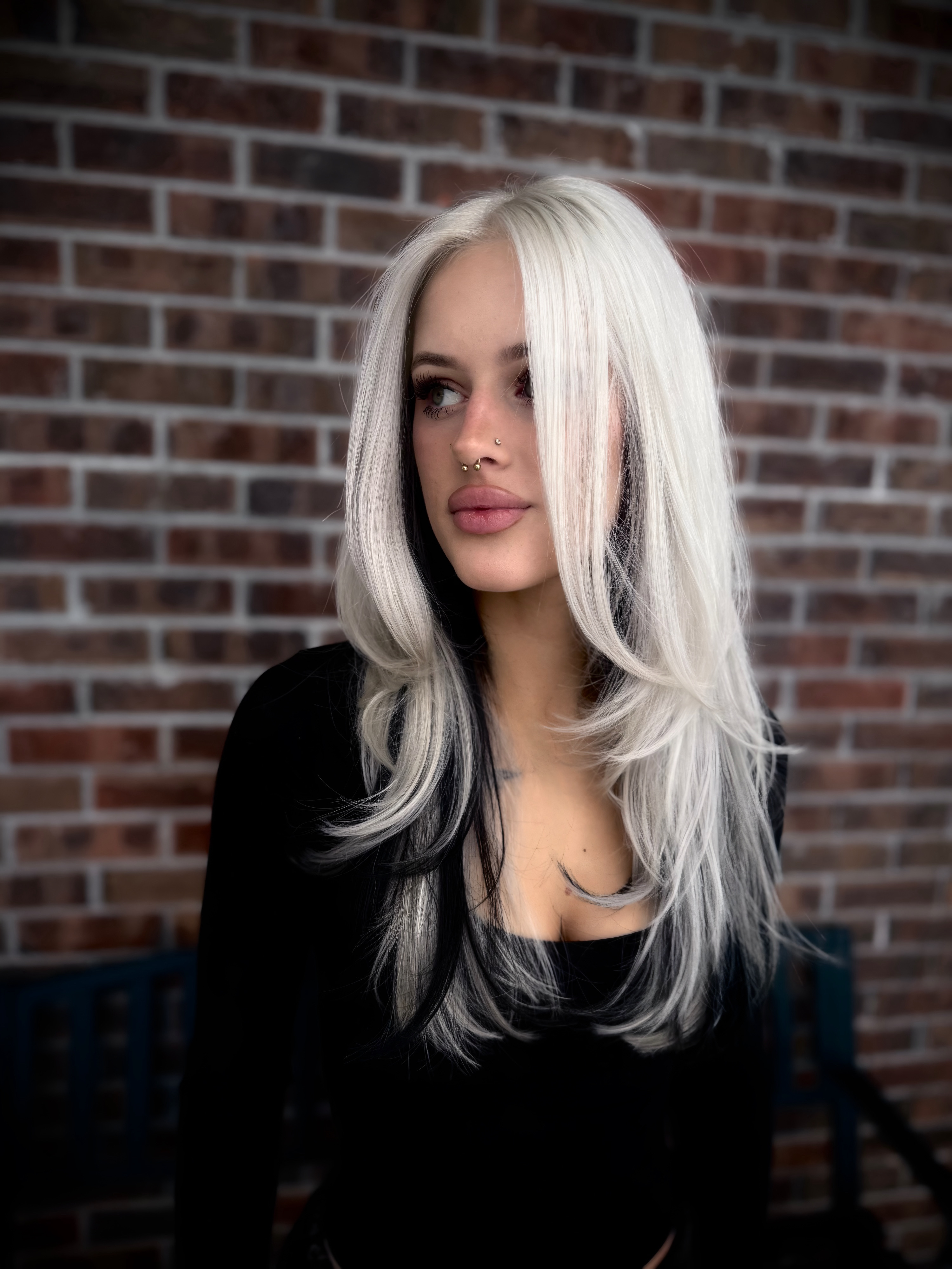
A great blowout rarely comes down to one big styling trick. It is usually a series of small, deliberate choices that build on one another until the hair starts to take shape.
Everything from the prep to the brush size, angle of the dryer, the amount of tension, and the way each section cools plays a role in whether the final result feels soft and full or falls flat within the hour.
“A great blowout is a series of small decisions made well. Section by section, pass by pass — building tension, shape, movement, and shine until the hair starts responding exactly the way you envisioned,” explains Sam Villa ArTeam Member Adrian Sandoval.
That is also why the classic round-brush blowout continues to hold its place in hair trends. Even as quick styling tools and heatless hacks cycle in and out, the polished blowout remains the finish clients keep asking for because it does more than dry the hair. It creates shape, movement, lift and longevity when the technique is done correctly.
Why the Blowout Is Back in Focus
Clients want hair that feels full without looking overworked, smooth without being flat, and polished without losing softness. That kind of finish starts before the brush ever touches the hair.
Sandoval recommends applying heat protectant or mousse at the roots, then smoothing cream through the mid-lengths and ends. From there, hair should be blast dried until it is about 70–80% dry using the Sam Villa Pro Light Ionic Blow Dryer.
Sam Villa Pro Light Ionic Blow Dryer
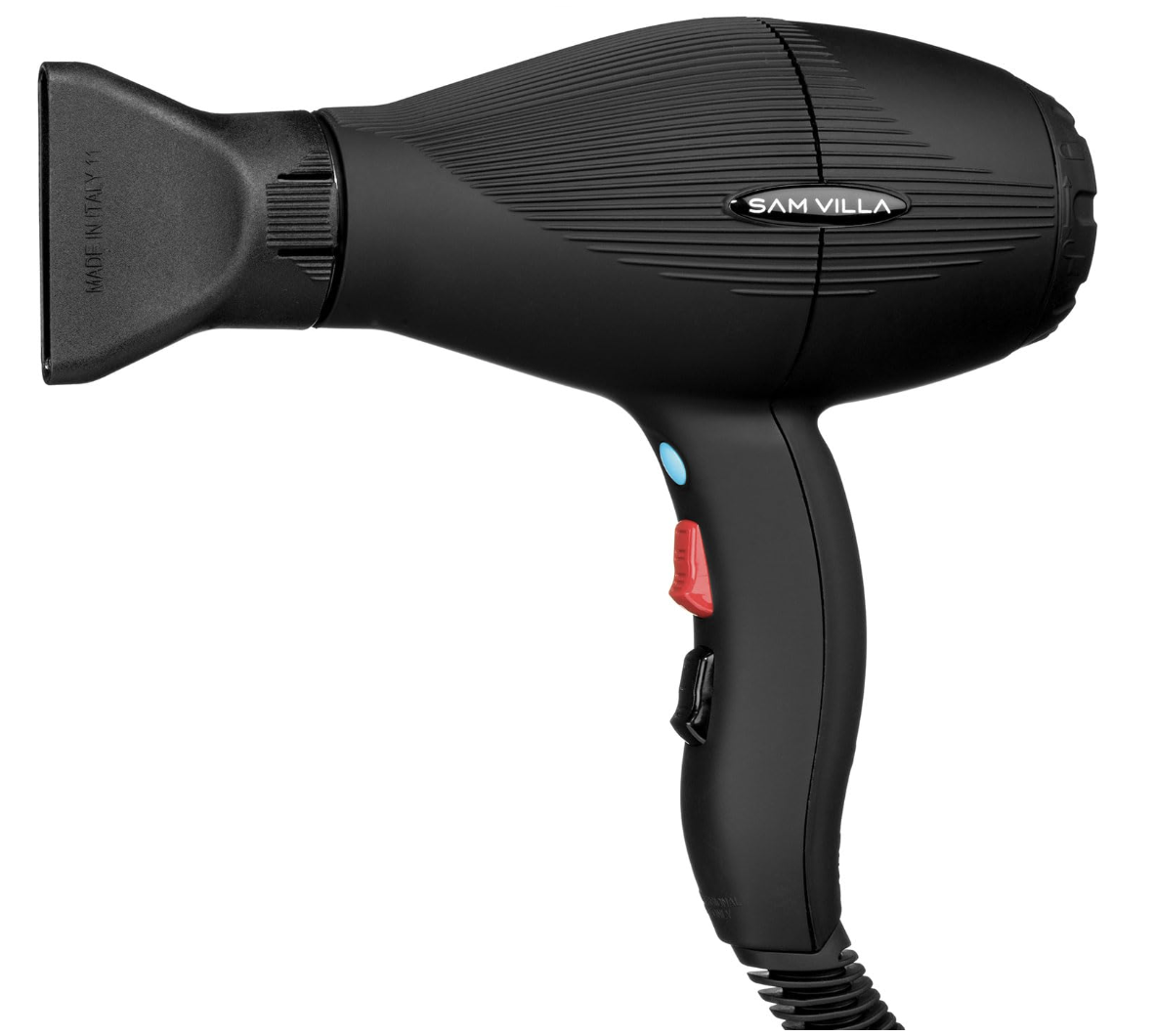

This step is easy to rush, but it sets up the entire result. If the hair is too wet, the brush has to do too much work. If it is too dry, the hair may not have enough flexibility to reshape. That 70–80% dry point gives the stylist more control, allowing the brush and dryer to create polish, bend and lift instead of simply removing moisture.
Brush Size Changes the Finish
Sam Villa Signature Series Large Thermal Round Brush
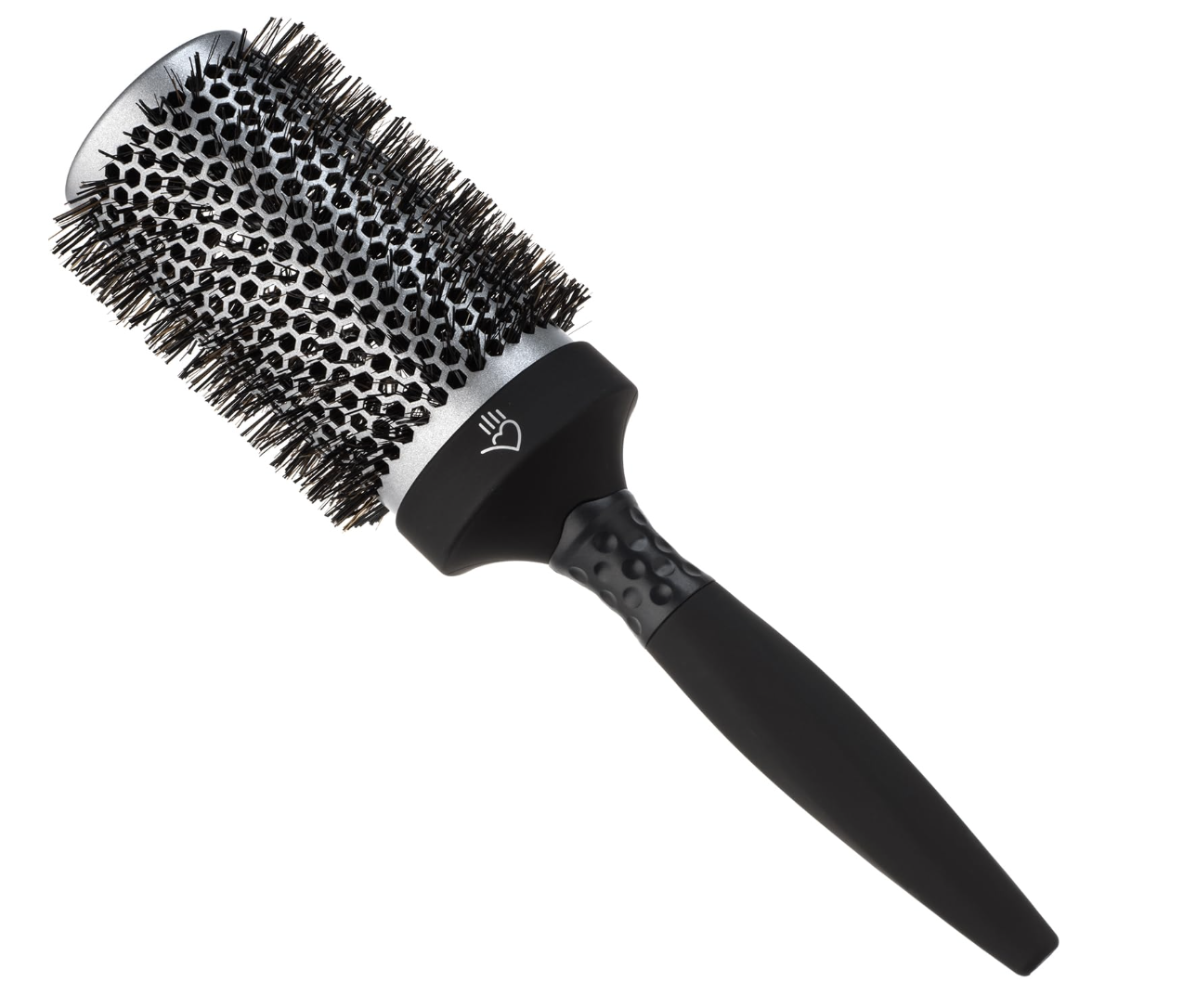
For a full, soft blowout, Sandoval works with a larger round brush, such as the Sam Villa Signature Series Large Thermal Round Brush. The section should be the same size or slightly smaller than the brush, which helps keep control consistent from roots to ends.
This is one of the most common places a blowout can start to lose its shape. Sections that are too large will not dry evenly. Sections that are too small can create too much bend or take longer than needed. Matching the section to the brush gives the hair enough room to wrap, smooth and respond to the heat.
Once the brush is placed under the section at the base, the dryer should be pointed away from the roots to help smooth the cuticle. From there, tension becomes the key. Pulling with steady control while rotating the brush helps build the smoothness and movement people associate with a salon blowout.
For maximum volume, Sandoval overdirects the section upward for on-base placement, creating lift right where the hair needs support.
The Cooling Step Is What Makes It Last
A blowout is not finished the moment the section is dry. For volume that holds, the hair needs time to cool in the shape you want it to keep.
After each section is finished, Sandoval places a roller in with on-base placement and secures it with Sam Villa Dry Sectioning Clips. This allows the hair to cool while maintaining lift, shape and movement.
Sam Villa Dry Sectioning Clips
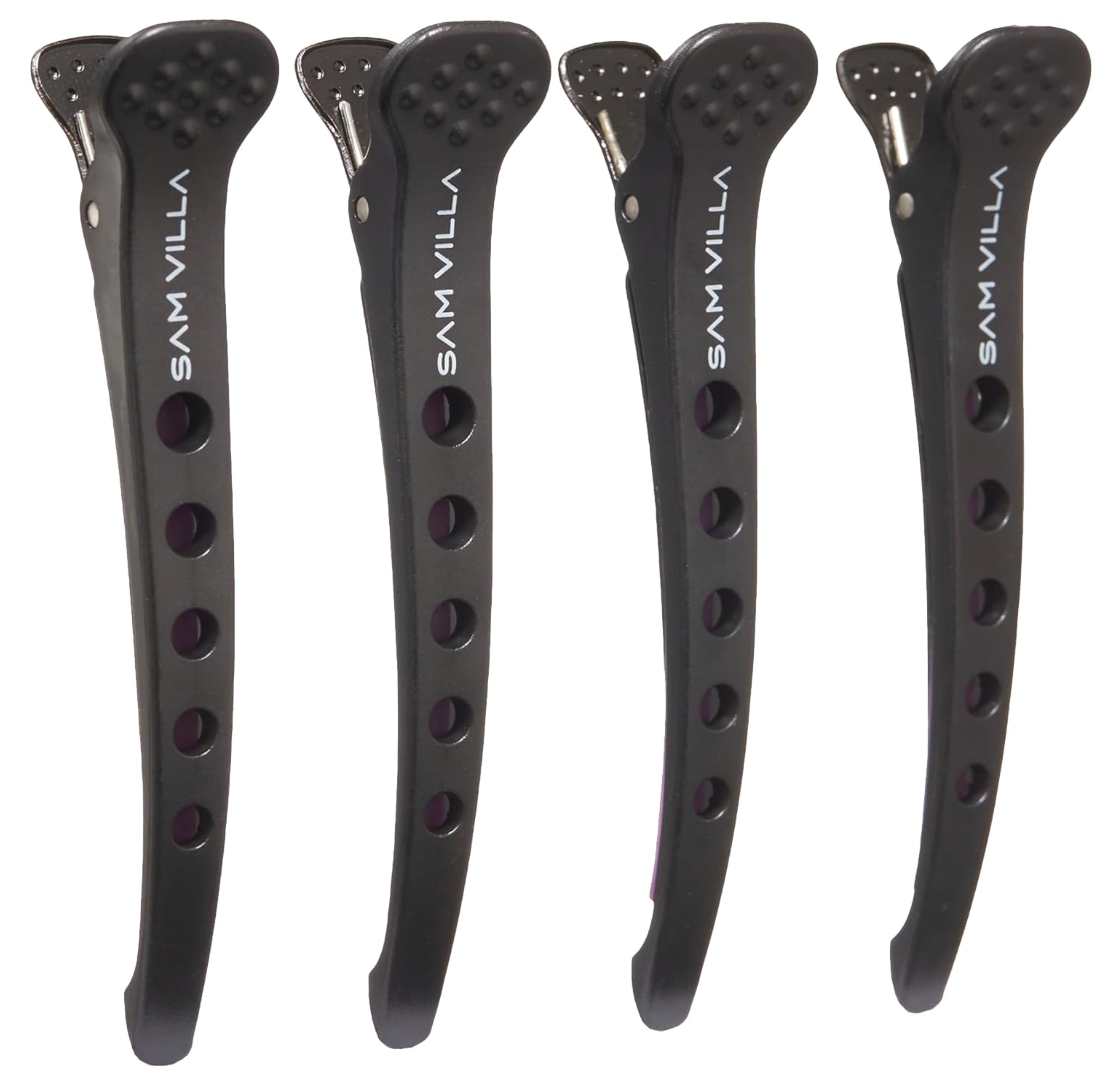
The roller placement changes depending on the area of the head. At the crown, rollers should sit on base for lift. On the sides, sections can be placed half off base and directed away from the face. Through the back, horizontal half-off-base placement helps support movement without making the finish feel too set.
Roller size also matters. As a general rule, the longer the hair, the bigger the roller. This helps preserve volume and bend without creating a curl pattern that feels too tight for the final look.
The Finish Should Feel Soft, Not Forced
Once the hair is completely dry and fully cooled, remove the rollers gently. From there, the finish should be brushed out with fingers or a paddle brush, depending on how much polish or separation is desired. A light hairspray can then be applied to support the shape without taking away movement.
“A great blowout is based on technique that yields predictable long-lasting results. Each decision you make while blow drying contributes to the end result,” adds Sandoval.
And that may be the real reason the blowout continues to trend. It’s about understanding how small technical choices — prep, sectioning, brush size, tension, direction and cooling — come together to create hair that behaves beautifully long after the dryer turns off.
Some of the products featured here may contain affiliate links, meaning we may earn a small commission at no extra cost to you. All recommendations are based on personal use, stylist feedback, or product performance.