There is a particular kind of confidence that comes with letting your natural hair take up space. Not tamed, not overly polished, but expressive in a way that feels entirely your own. This season, the conversation around texture has shifted. It is less about perfecting and more about amplifying. Less about control and more about intention.
Natural hair, in all its forms, carries movement, unpredictability, and a certain softness that cannot be replicated with heat tools alone. The beauty lies in working with what is already there, shaping it gently, and allowing it to evolve throughout the day. Styling becomes less of a routine and more of a collaboration.
These are the ways to lean in.
Braid It Damp for Undone Waves
The most effortless styles often begin before your hair is even dry. Damp strands hold memory. They are receptive, malleable, and far more willing to fall into shape without resistance.
Braiding hair straight out of the shower creates a kind of wave that feels organic rather than engineered. A single loose braid offers a languid, almost romantic bend, while two braids introduce a bit more texture and dimension. The key is to keep everything slightly imperfect. No tight sections, no rigid parting. Let the hair fall as it wants, then guide it just enough.
Before braiding, work a soft styling cream through the lengths to encourage hold without stiffness. This ensures the wave sets while maintaining movement.
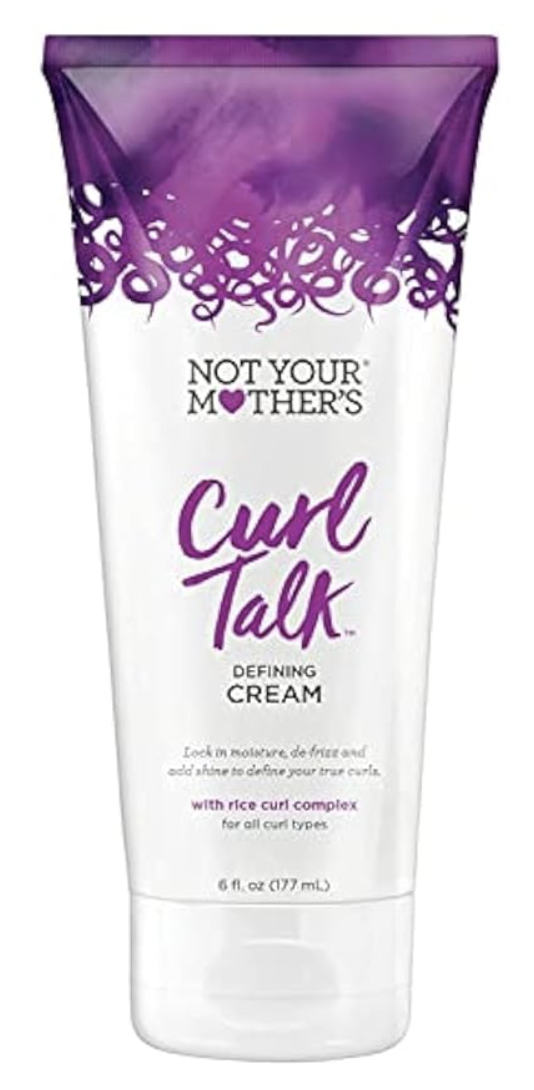
A quiet standout here is Not Your Mother’s Curl Talk Defining Cream, which enhances natural pattern while keeping the finish light and touchable.
Once dry, unravel with your fingers and resist the urge to overwork it. The result should feel airy, almost incidental, like you simply woke up that way.
Not Your Mother’s Curl Talk Defining Cream

Twist for Polished Definition
If braids are about softness, twists are about intention. They offer a more defined result, sculpting the hair into something slightly more precise without losing its natural character.
Working in sections, twist damp or lightly dried hair away from the face. The size of each section dictates the outcome. Smaller twists create a more intricate, defined texture, while larger ones lean softer and more relaxed. Let them dry completely before unraveling. Patience here is everything.
For this technique, hold becomes essential. You want the shape to stay, but never at the expense of movement.
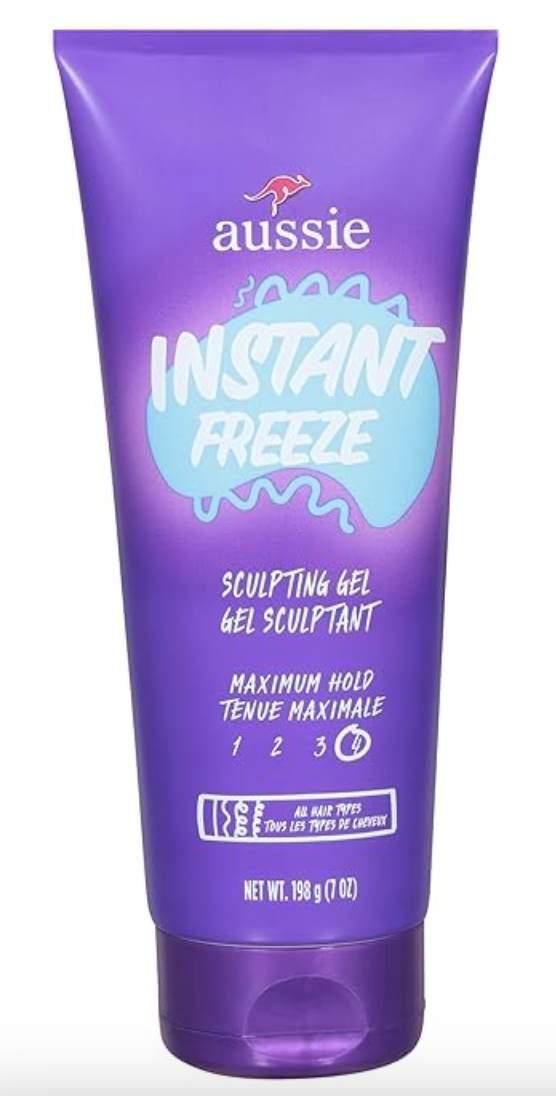
That balance is achieved with Aussie Instant Freeze Sculpting Hair Gel, which locks in definition while still allowing the hair to feel soft once separated.
When you take the twists down, separate them gently, letting the volume build naturally. It should feel polished, but never overly done.
Aussie Instant Freeze Sculpting Hair Gel
Pull It Back, But Let Texture Lead
There is something undeniably modern about a style that looks as though it came together in seconds, even when it did not. Pulling hair back, whether into a low bun, ponytail, or loose knot, becomes infinitely more interesting when you allow your natural texture to remain intact.
Skip the brush. Use your hands. Let the hair gather imperfectly, allowing bends, curls, and flyaways to exist without correction. This softness is what makes the look feel current.
Leave out a few pieces around the face, or gently lift sections at the crown to avoid anything too flat or severe. The end result should feel instinctive rather than constructed. Hair that moves, even when it is pulled back, always reads as more luxurious.
This is where second or third day texture shines. Slightly lived-in hair holds shape better, offering dimension that freshly washed strands sometimes lack.
Embrace the Cloud Effect
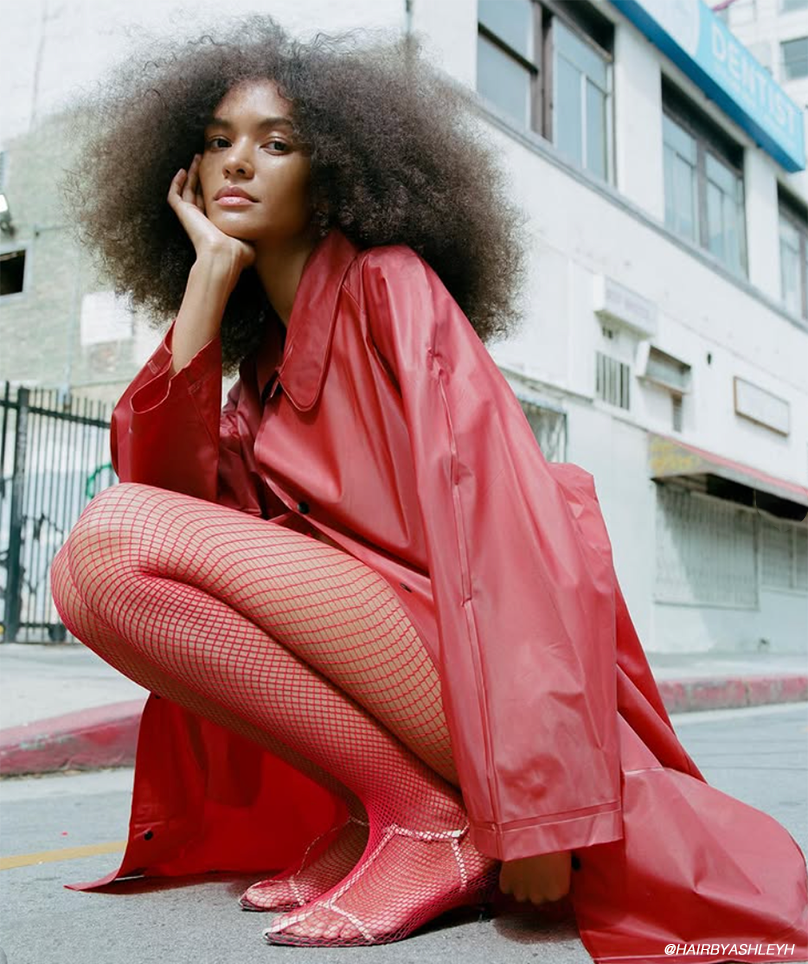
Perhaps the most striking way to wear natural hair right now is to let it expand. To lean fully into volume, into softness, into that slightly haloed effect that comes from embracing, rather than fighting, frizz.
Think of it as a cloud. Hair that is lifted, diffused, and intentionally a little undone.
Start with dry hair, ideally with some existing texture. Gently tease sections at the root using your fingers or a wide-tooth comb, focusing on building height without disrupting the overall pattern. Then, lightly separate curls or waves to create fullness. The goal is not uniformity, but dimension.
A touch of lightweight oil on the ends can keep things from feeling too dry, but the real beauty of this look is in its airiness. It is soft, expansive, and just a little bit rebellious.
This approach reframes frizz entirely. Instead of something to smooth away, it becomes part of the finish. A detail that catches light, adds movement, and makes the hair feel alive.
The New Language of Texture
To style natural hair now is to speak a different language. One that values ease over effort, individuality over uniformity. Each of these approaches offers a way to shape your hair without diminishing it, to enhance what is already there rather than replace it.
There is no single version of polished anymore. Sometimes it is a soft wave formed overnight. Sometimes it is a twist-out with quiet definition. Sometimes it is a loose bun that feels instinctive, or a halo of volume that refuses to be contained.
The common thread is intention. Hair that looks like itself, only more so.
Some of the products featured here may contain affiliate links, meaning we may earn a small commission at no extra cost to you. All recommendations are based on personal use, stylist feedback, or product performance.