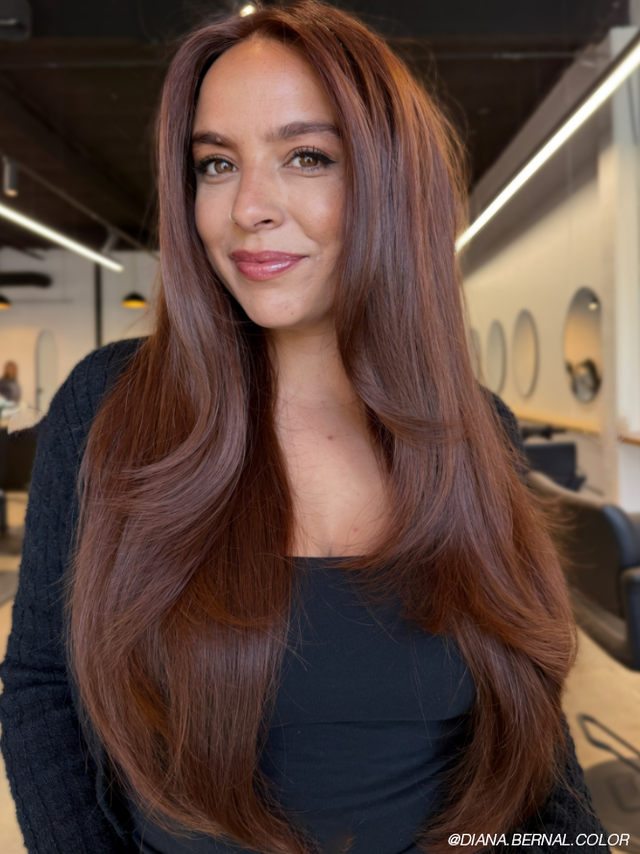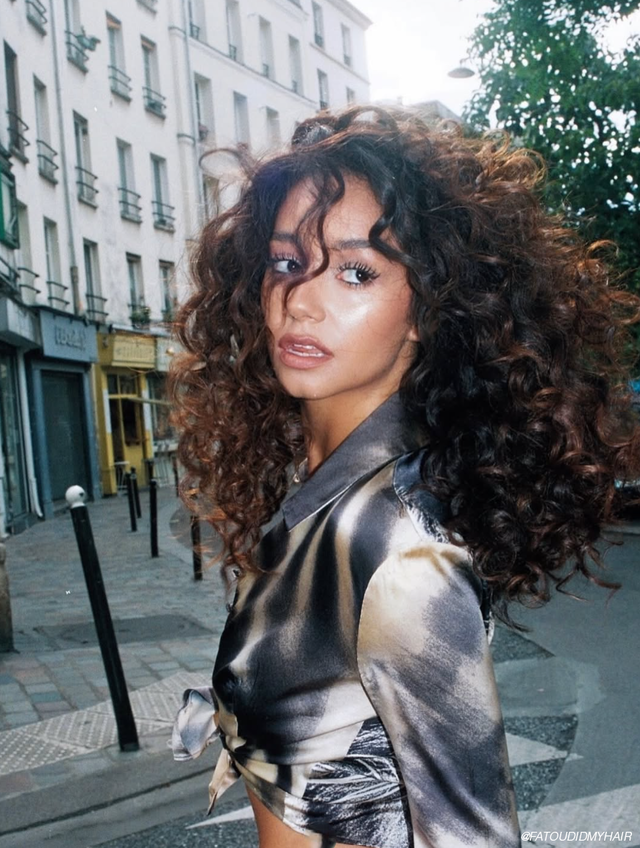
For years, the blowout was the gold standard. Smooth, polished, perfectly rounded ends became shorthand for “done” hair, regardless of texture. But in 2026, that ideal is quietly unraveling. We’re entering the anti-blowout era—a shift toward hair that looks lived-in, slightly messy, and unmistakably personal. The focus is no longer on forcing hair into submission with heat, but on cutting it so it behaves beautifully on its own.
This moment didn’t come out of nowhere. Fashion has moved away from hyper-polish, beauty has softened, and there’s a growing desire for styles that feel realistic rather than performative. Hair, naturally, is following suit. Undone, air-dried textures are trending not because they’re effortless, but because they’re intentional. And at the center of this movement is one key idea: a truly good haircut should work with your natural texture, not against it.
The End of the Blowout as a Default
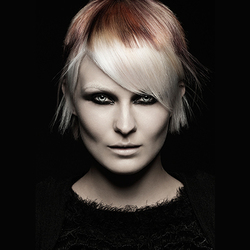
The blowout era was about control. Hair was stretched, smoothed, sculpted, and standardized. While undeniably glamorous, it also required constant maintenance, repeated heat exposure, and a kind of daily effort that feels increasingly out of step with how people want to live now.
Today’s approach is more intuitive. People want hair that looks good without a round brush, without a ritual, without planning their day around styling time. Heat tools aren’t disappearing entirely, but they’re no longer the starting point. The cut is.
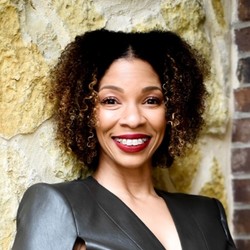
This shift reflects a broader reevaluation of beauty standards. Uniformity is out. Individual texture is in. Waves, curls, cowlicks, bends, and irregularities are no longer “problems” to fix—they’re features to design around.
Why Custom Texture Cuts Matter More Than Ever
Not all undone hair is created equal. The difference between hair that looks chic and hair that looks unstyled often comes down to the cut itself. A one-size-fits-all haircut, especially one designed to be blow-dried smooth, will almost always fall flat when air-dried.
Custom cutting for your hair texture changes everything. This means factoring in how your hair shrinks when dry, where it naturally holds weight, how it moves when left alone, and which sections need encouragement versus restraint. Straight hair with bend behaves differently than fine pin-straight hair. Loose waves need different layering than tight curls. Density matters just as much as pattern.
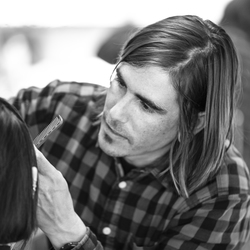
In the anti-blowout era, the most modern haircuts are those that are cut dry or cut with the end result—air-dried hair—in mind. Stylists are watching how hair falls naturally, then carving layers that enhance that behavior rather than overriding it.
Air-Dried Layers: The Cut of the Moment
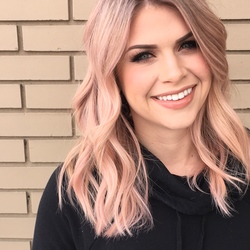
One of the clearest signatures of the anti-blowout era is the rise of air-dried layers. These cuts are designed to look finished without intervention, shaped specifically to enhance how hair dries on its own rather than how it behaves under heat. The intention is subtlety: layers that release weight where hair collapses, encourage movement where it bends, and soften edges without creating obvious steps or thinning.
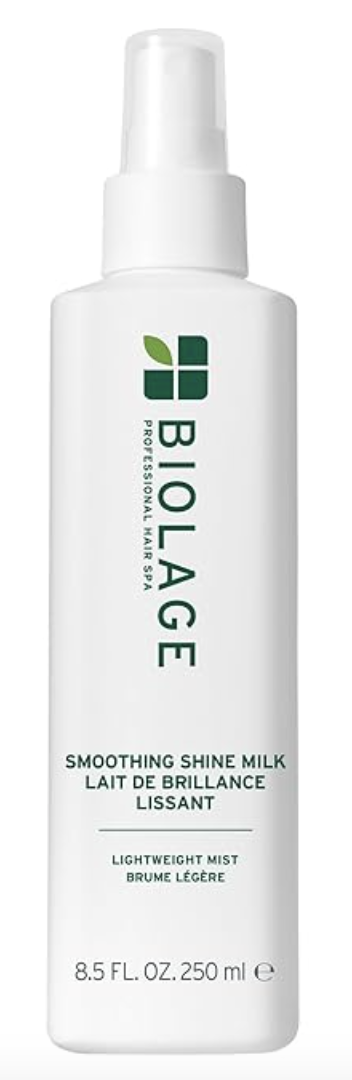
What elevates an air-dried cut from “unstyled” to chic is how it’s supported post-wash. Lightweight, texture-respecting formulas are key here—products that enhance natural pattern without imposing a new one. A spray like Biolage Smooth Shine Milk fits seamlessly into this philosophy. It’s fluid and understated, designed to hydrate and smooth without erasing texture, making it especially effective for air-dried layers that rely on softness and natural separation rather than definition. It disappears into the hair, leaving behind a quiet polish that feels effortless rather than engineered.
Biolage Smooth Shine Milk

Texture as a Design Element
In this new era, texture isn’t something you add at the end—it’s the foundation. Haircuts are being designed around how hair behaves in real life: in humidity, in wind, after sleeping on it, after a long day.
This is why so many people are seeking out stylists who specialize in texture-specific cutting. Not just curl specialists, but stylists who understand fine hair, dense hair, mixed textures, and hair that doesn’t fit neatly into one category. The best cuts now start with questions: How do you wear your hair most days? Do you air-dry? Do you like volume or weight? Where does your hair annoy you the most when you don’t style it?
The answers shape the cut more than any reference photo ever could.
When You Do Blow-Dry, Make It Look Like You Didn’t
The anti-blowout era doesn’t ban the blow dryer. It simply redefines how it’s used. The goal is no longer smoothness or symmetry, but disruption. Hair should look as though it dried naturally, even when it didn’t. That illusion comes down to technique, restraint, and the right supporting products.
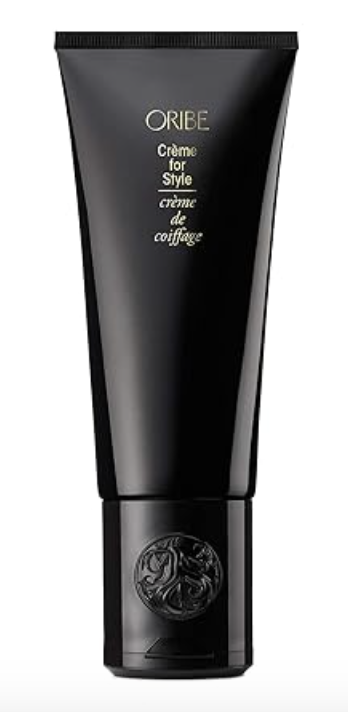
Before drying, formulas that enhance texture without adding stiffness make all the difference. Oribe Crème for Style is one of those quietly transformative products. It offers a hint of control and softness, but no obvious hold, allowing hair to move freely even after heat is applied. When worked through damp hair and rough-dried with fingers, it creates a finish that feels organic, slightly imperfect, and modern—more air-dried than blow-dried.
Oribe Crème for Style
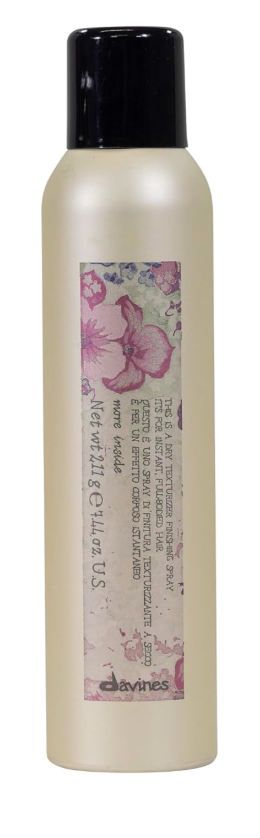
As the hair dries, especially when using a diffuser or low airflow, a product like Davines This Is A Dry Texturizer can be introduced sparingly to break up any areas that feel too polished. It adds lift and separation without the chalkiness or crunch associated with traditional texture sprays. Used lightly at the roots or mid-lengths, it helps undo the blow-dry just enough, restoring that lived-in quality that defines this era of hair.
Davines This Is A Dry Texturizer
The key is stopping short of perfection. Hair shouldn’t be dried into place; it should be encouraged into shape, then left alone.
Why This Shift Feels So Right Now
The anti-blowout era isn’t just about hair. It’s about time, sustainability, and self-acceptance. Less heat means healthier hair. Fewer tools mean simpler routines. Custom cuts mean fewer bad hair days disguised by styling.
Most importantly, it reframes beauty as something that adapts to you, not something you chase every morning with a hot tool in hand.
Undone hair doesn’t mean careless hair. It means thoughtful design, personal texture, and a willingness to let hair exist as it is—elevated, intentional, and real.
In 2026, the most stylish hair isn’t perfectly blow-dried. It’s the kind that looks good when you do nothing at all.
Some of the products featured here may contain affiliate links, meaning we may earn a small commission at no extra cost to you. All recommendations are based on personal use, stylist feedback, or product performance.