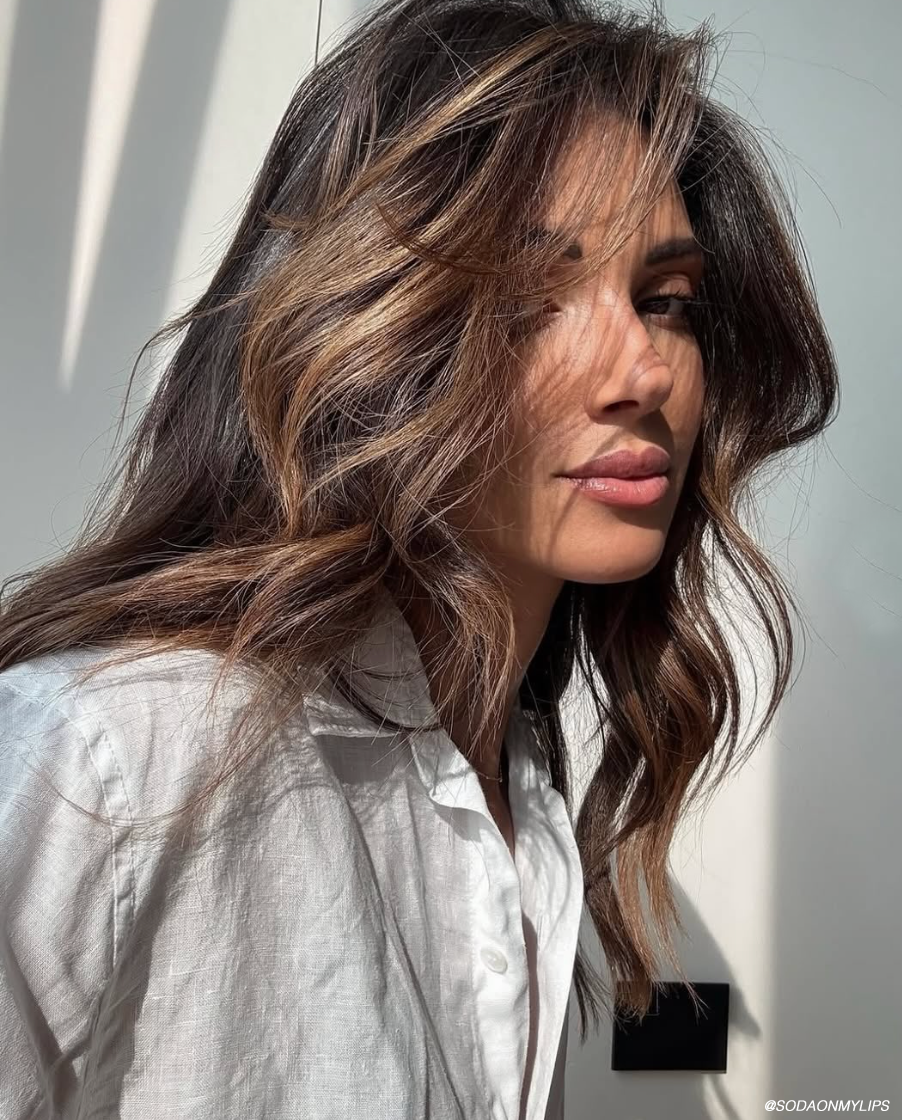
Protein has officially taken on main character status. It is in your morning smoothie, your late-afternoon snack, and increasingly, your haircare routine. The wellness world has made a compelling case for it, and to be fair, it is not entirely hype. Protein plays a critical role in how the body functions, and that includes how your hair grows, strengthens, and maintains itself over time.
Hair is made primarily of keratin, a fibrous protein that relies on a steady intake of amino acids from your diet to form properly. When you are not getting enough protein nutritionally, it can show up in subtle ways. Think slower growth, increased shedding, or strands that feel thinner than usual. So yes, the emphasis on eating enough protein is rooted in truth. Healthy hair does start from within.
But what you put on your hair is a different conversation entirely. And somewhere along the way, topical protein has been swept up into the same all-is-better mindset.
Why Protein in Haircare Exists at All
When hair is damaged, whether from bleach, heat, or general wear and tear, the protein structure within the strand becomes compromised. This is where protein-based treatments come in. They deposit hydrolyzed proteins onto the hair shaft, filling in gaps along the cuticle and reinforcing weak spots.
The result is hair that feels stronger, smoother, and more resilient. At least temporarily.
A true protein treatment does not just coat the hair for shine. It actively binds to areas of damage, helping to rebuild structure in a way that standard conditioners cannot. This is why they are often recommended for chemically treated or high-porosity hair that struggles to retain strength.
Where the Confusion Begins: Protein vs. Moisture
The rise of protein-forward products has created a quiet imbalance in routines. Strength is important, but so is softness. And the two are not interchangeable.
Moisture keeps hair flexible. It allows strands to bend, move, and hold styles without snapping. Without enough hydration, even the strongest hair can become brittle. On the other hand, hair that is overly moisturized can feel limp, overly soft, and unable to maintain shape.
The healthiest hair exists in a state of equilibrium. Protein provides structure. Moisture provides elasticity. When one outweighs the other, the difference is immediately noticeable.
What Protein Overload Actually Looks Like
It sounds counterintuitive, but too much protein can make hair feel worse, not better. When strands are overloaded, they often become stiff, rough, and prone to breakage. Instead of feeling strong, they feel rigid.
This tends to happen when multiple protein-heavy products are layered together without a break. A strengthening shampoo, followed by a reconstructing mask, topped off with a protein-rich leave-in can tip the scale quickly.
If your hair feels dry despite conditioning, or snaps easily without much stretch, protein overload may be the culprit. At that point, adding more protein will only exacerbate the issue.
And Yes, Moisture Overload Is a Thing Too
On the flip side, it is entirely possible to overcorrect. Hair that has too much moisture often feels overly soft, almost spongy. It may struggle to hold curls or fall flat shortly after styling. In this state, the hair lacks the internal structure needed to maintain shape.
This is where protein can reintroduce balance. By reinforcing the hair shaft, it gives strands the support they need to bounce back and hold form.
The key is recognizing that both extremes exist, even if one is talked about more than the other.
How to Read What Your Hair Is Telling You
The simplest test is to observe how your hair stretches. Gently pull a strand. If it stretches significantly and then breaks without returning to its original state, it likely needs protein. If it barely stretches and snaps quickly, it is craving moisture.
Texture offers additional clues. Hair that feels straw-like and stiff often has too much protein. Hair that feels overly soft and lacks structure may need it.
Your habits matter too. Frequent heat styling and chemical processing tend to deplete protein, while overuse of rich, hydrating masks can lead to excess moisture.
Rebalancing Without Overcomplicating Things
Fixing the balance does not require a full routine reset. It is more about being intentional with what you reach for and when.
If your hair is in need of protein, a targeted treatment can make a noticeable difference. A formula like Aphogee Two-Step Protein Treatment works by using hydrolyzed proteins that bind to weakened areas of the hair shaft, reinforcing its structure and reducing breakage after just one use.
Aphogee Two-Step Protein Treatment
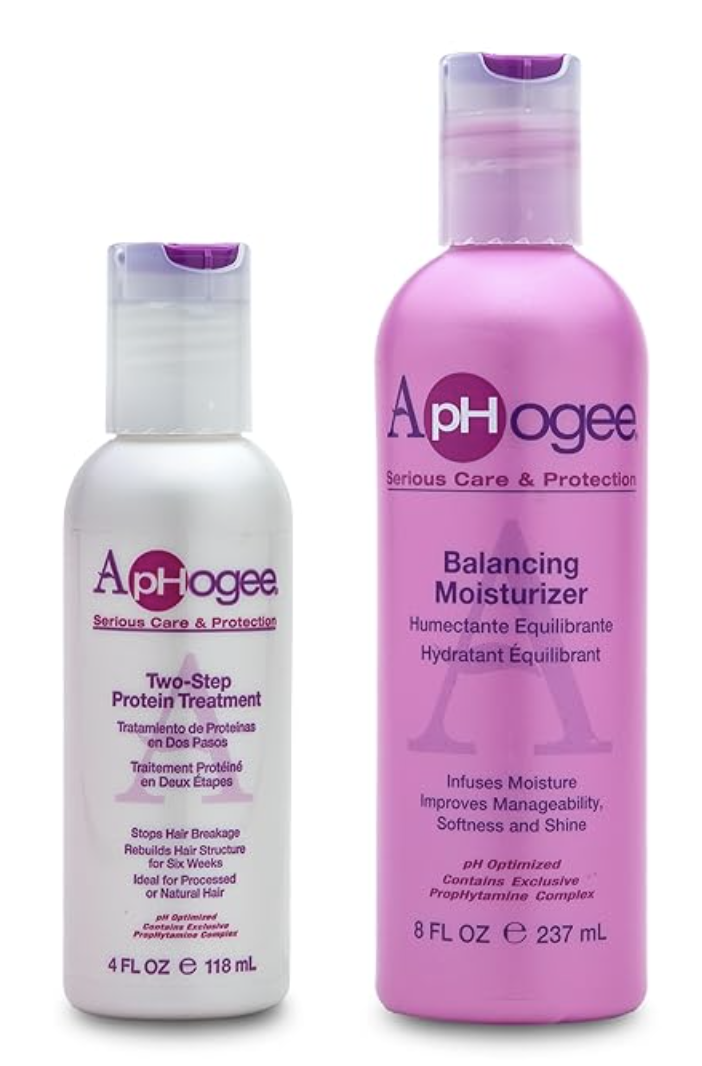

It is particularly effective for hair that has been chemically processed or heat-damaged, offering a level of reinforcement that everyday conditioners simply cannot replicate.
If, however, your hair feels brittle or overly stiff, shifting toward moisture is the move. A deeply hydrating mask can help restore softness and flexibility without compromising overall health.
SheaMoisture Manuka Honey & Mafura Oil Intensive Hydration Hair Masque
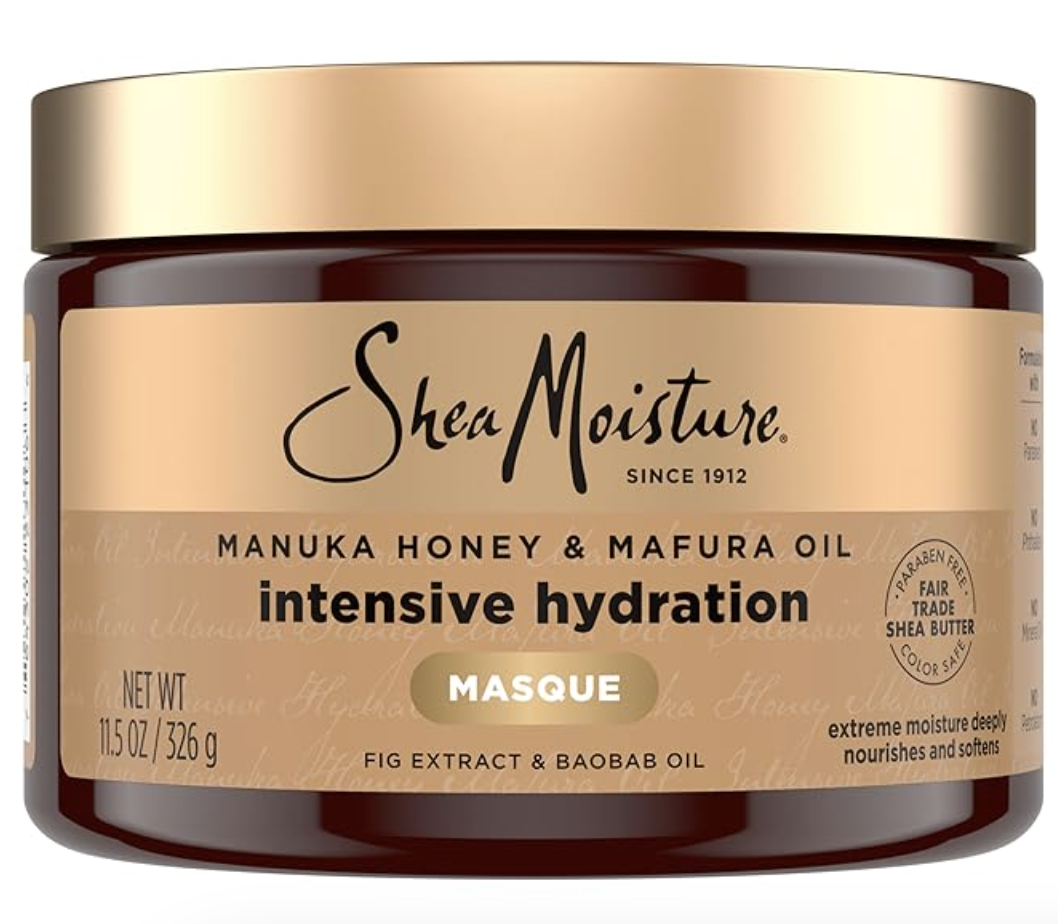
This formula leans into humectants and rich oils to draw in and retain moisture, helping hair regain its natural movement while smoothing the cuticle.
The Real Goal: Balance, Not Extremes
The cultural fixation on protein is not entirely misplaced. It reflects a growing awareness of what hair actually needs beneath the surface. But like most trends, it has been taken slightly too far.
Hair does not thrive on excess. It thrives on balance.
Protein strengthens. Moisture softens. And the art of a good routine lies in knowing when to prioritize one over the other. Not because a label tells you to, but because your hair does.
Some of the products featured here may contain affiliate links, meaning we may earn a small commission at no extra cost to you. All recommendations are based on personal use, stylist feedback, or product performance.