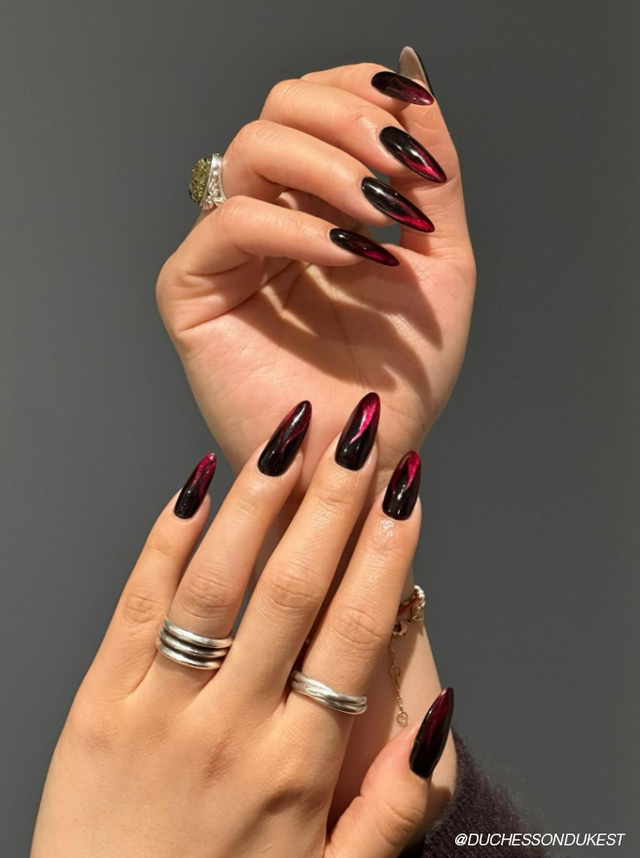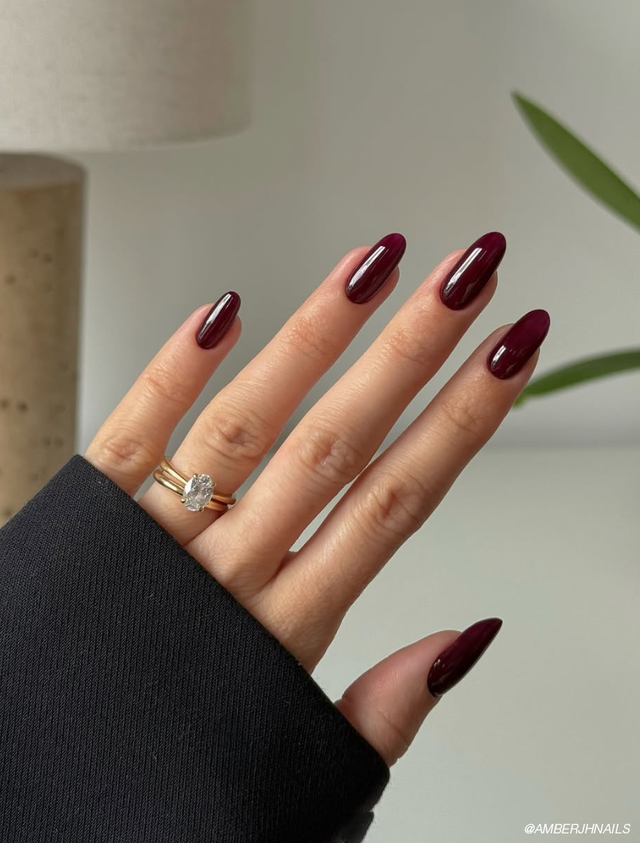
A manicure used to be a simple affair. A swipe of color, a glossy topcoat, and perhaps a day or two of cautious hand movements to prevent smudging. Now, nail appointments come with a menu of options, each promising longevity, shine, and salon perfection. Among them, two remain the most requested: Shellac and gel.
At first glance, the difference can feel negligible. Both deliver that coveted glassy finish and both cure instantly under UV or LED lamps, leaving you free to reach for your phone without fear of denting freshly painted nails. But beneath the shine, these two formulas operate quite differently. Understanding those nuances can make the next trip to the salon feel less like guesswork and more like a considered beauty choice.
Because when it comes to modern manicures, longevity is only part of the equation. Nail health, removal, and maintenance matter just as much.
The Hybrid Appeal of Shellac
Shellac occupies a unique space in the manicure world. Created by professional nail brand CND, the formula blends the qualities of traditional nail lacquer with the durability of gel technology.
The result is a hybrid polish that feels noticeably lightweight on the nails. Shellac is applied in thin layers that cure under a UV lamp, forming a flexible coating that moves naturally with the nail rather than sitting heavily on top of it.
That lighter structure is part of its appeal. The manicure maintains impressive shine and chip resistance, yet often feels closer to natural nails than thicker gel systems. For many, it strikes a delicate balance between longevity and comfort.
Typically, a Shellac manicure lasts around two weeks before signs of growth appear near the cuticle line. For those who enjoy refreshing their color frequently or prefer shorter wear cycles, that timeline feels ideal.
The Enduring Power of Gel
Gel polish, by contrast, leans firmly into durability. The formula is slightly thicker and designed to create a more structured layer across the nail plate.
Like Shellac, gel cures under UV or LED light, instantly hardening into a glossy surface. What distinguishes it is the strength of that coating. Once cured, gel polish forms a protective shell that resists chips, scratches, and everyday wear with remarkable resilience.
It is not uncommon for a gel manicure to remain intact for three weeks or more, depending on nail growth and daily habits. This longevity makes it especially appealing for travel, busy schedules, or anyone who prefers a manicure that requires minimal upkeep.
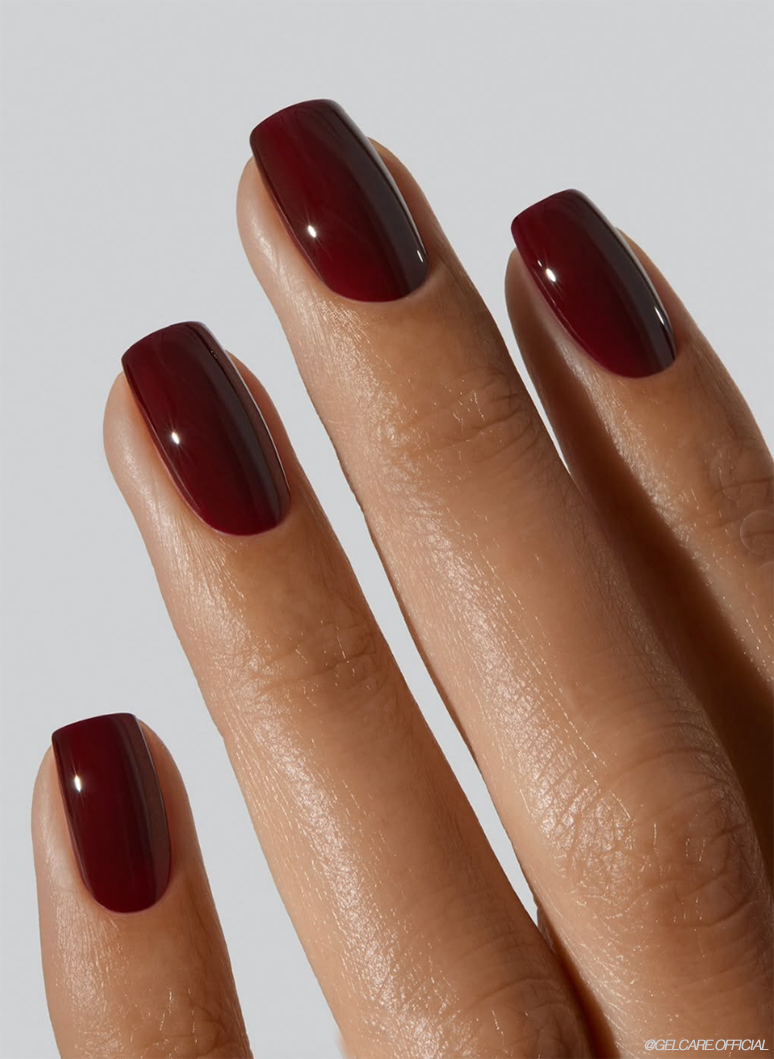
The finish also carries a particular depth. Under light, gel nails reflect a high-shine gloss that can appear almost lacquered, lending the manicure a polished, editorial quality.
Wear Time and Everyday Life
Longevity often becomes the deciding factor between the two options, but the difference is more subtle than many expect.
Shellac generally holds its shine and structure for around two weeks, while gel can stretch closer to three. Yet real life rarely unfolds under ideal conditions. Frequent hand washing, exposure to cleaning products, and everyday friction can shorten the lifespan of either manicure.
Lifestyle plays a surprisingly significant role. Those who type constantly, cook often, or work with their hands may notice wear more quickly, regardless of formula.
Still, gel’s thicker structure often provides a slight advantage when it comes to resilience.
The Removal Process
If application is where Shellac and gel appear similar, removal is where their personalities begin to diverge.
Shellac tends to break down more readily during the soak off process. Acetone wraps soften the polish so that it lifts gently from the nail plate with minimal effort. Because the layers are thinner, the removal process often feels quicker and less intensive.
Gel polish, on the other hand, can require a longer soak and occasionally light buffing to break through the hardened surface. When done patiently and professionally, the process remains safe for the nails. Problems typically arise only when gel is peeled away prematurely, a temptation many manicure enthusiasts know well.
Patience, in this case, is not simply a virtue but a form of nail care.
Preserving Nail Health
The debate over which manicure is “better” for nails tends to miss the larger truth. Damage rarely comes from the polish itself. More often, it is the removal process or lack of aftercare that compromises nail health.
Hydration is one of the most overlooked aspects of manicure maintenance. Repeated exposure to acetone can leave both the nail plate and surrounding skin dehydrated, which in turn leads to brittleness or peeling.
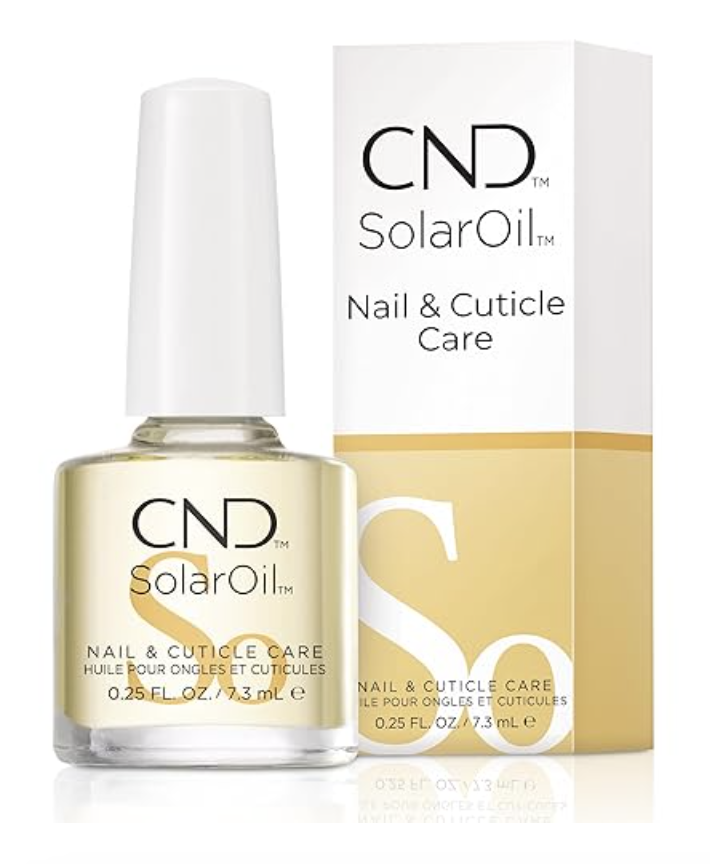
This is why nail professionals consistently emphasize daily cuticle care. A restorative formula like CND SolarOil Nail & Cuticle Conditioner is often recommended backstage and in salons alike. Its blend of jojoba oil, sweet almond oil, and vitamin E penetrates deeply, replenishing moisture while improving nail flexibility.
Over time, consistent hydration helps nails withstand repeated manicures without compromising their strength.
CND SolarOil Nail & Cuticle Conditioner

Strengthening Between Appointments
Occasionally, nails benefit from a brief pause between long lasting manicures. During these moments, strengthening treatments can restore balance and reinforce the nail plate.
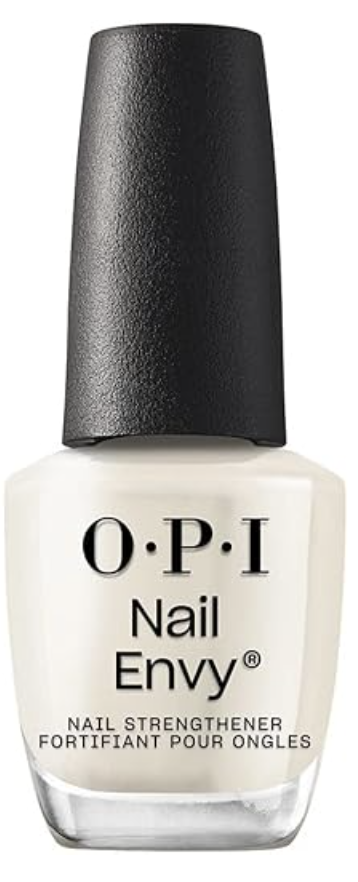
A classic option such as OPI Nail Envy Original Nail Strengthener has developed a near cult following for its ability to support fragile or peeling nails. Applied as a treatment base, it forms a protective layer that encourages healthier growth while fortifying the natural nail.
Incorporating strengthening treatments between salon visits can make a noticeable difference in how nails respond to future manicures.
OPI Nail Envy Original Nail Strengthener
The Final Word
Choosing between Shellac and gel ultimately comes down to preference and lifestyle.
Shellac offers a lighter, more flexible finish that feels natural on the nails and removes with relative ease. Gel delivers exceptional durability and a high gloss shine that can last well beyond two weeks.
Both have earned their place in the modern manicure repertoire. With thoughtful removal, proper hydration, and the occasional restorative treatment, either option can keep nails looking polished while remaining healthy beneath the surface.
After all, the most beautiful manicure is not simply the one that lasts the longest. It is the one that leaves your nails just as strong when the polish finally comes off.
Some of the products featured here may contain affiliate links, meaning we may earn a small commission at no extra cost to you. All recommendations are based on personal use, stylist feedback, or product performance.