The clavi cut was never flashy enough to feel like a trend. And that’s precisely why it keeps coming back. This season, it isn’t a comeback—it’s a return to form. After cycles of extremes—micro bobs, razor-sharp cuts, hyper-layered lengths—hair is settling into something more balanced. The clavi cut sits at the center of that shift, offering a length that feels intentional, purposeful, and just right.
It does not try too hard. It doesn’t need to.
The Sweet Spot That Feels Effortless
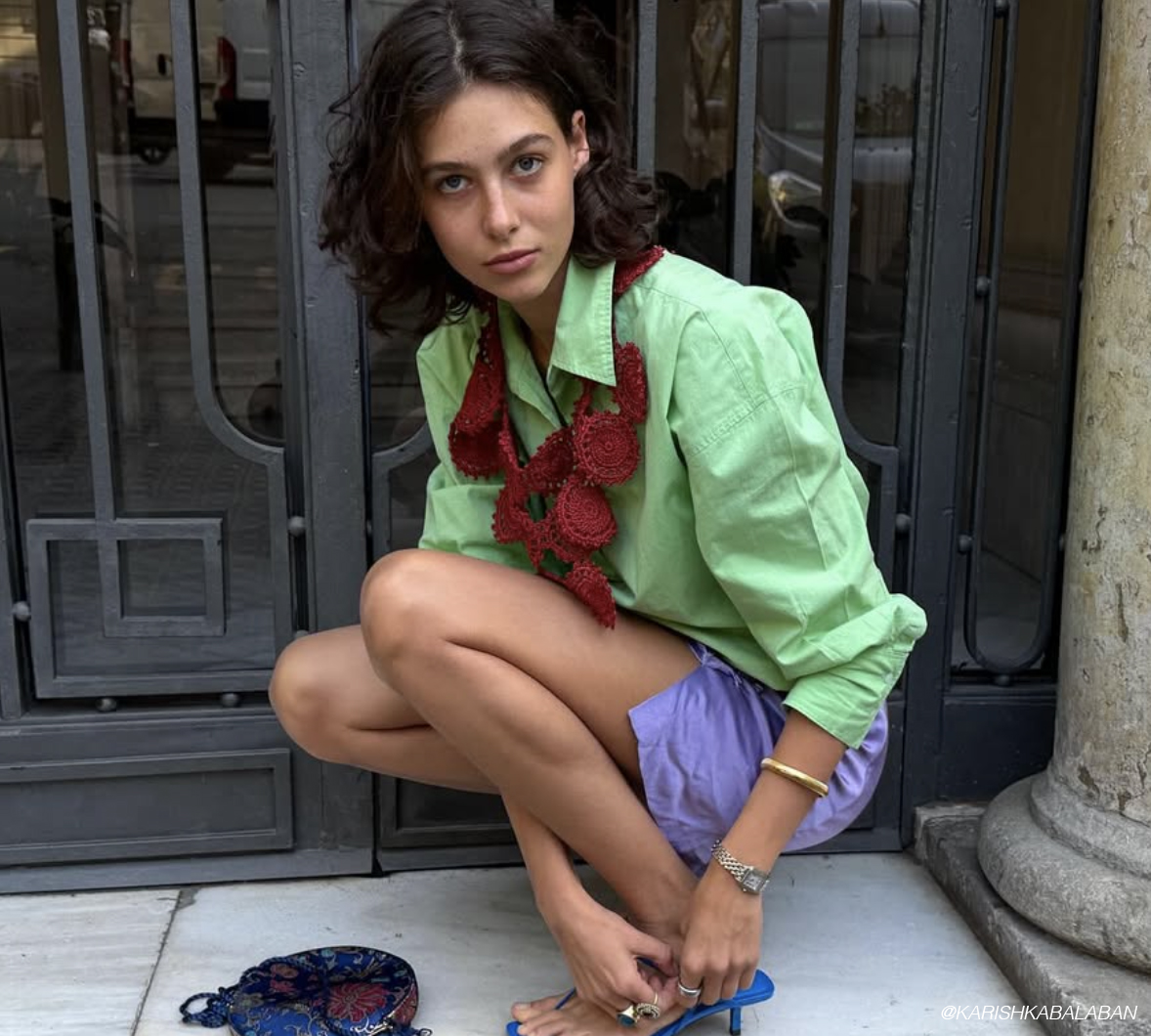
The clavi cut lands exactly where most people naturally end up: at the collarbone. That in-between length, once considered transitional, now has a name—and, more importantly, a purpose. Essentially a longer, more relaxed take on the classic lob, it’s short enough to look styled but long enough to move, tuck behind ears, or tie back with ease.
For years, this middle ground was treated as a phase to endure. Now, it’s the destination.
One of the strongest appeals of the clavi cut is its practicality. Growing out a bob has always meant navigating that awkward stage: ends hitting the shoulders, flipping unpredictably, losing shape. The clavi cut reframes that entirely. What used to feel unfinished now reads as deliberate.
There’s a psychological comfort here too. It removes the urgency to constantly “fix” your hair, allowing the length to evolve naturally. In a beauty landscape increasingly focused on low-maintenance routines, that ease matters.
Soft Structure, Not Sharp Lines
Current hair trends are moving away from anything overly rigid, and the clavi cut reflects that. While it can be worn blunt, it often incorporates subtle layering, feathered ends, or a slightly shorter front to frame the face. Nothing feels harsh.
That gentle structure is what makes it universally flattering. It elongates the neck, highlights the collarbone, and frames the face without constraining it. The cut is considered, but never strict.
Versatility is often overpromised in hair trends, but here it’s real. The clavi cut can be sleek and tucked behind the ears, waved for softness, or left to air-dry into a relaxed, undone shape. It can be pulled into a low ponytail or clipped back without losing pieces.
It adapts to your routine, not the other way around. That adaptability is part of why it feels so relevant in 2026.
Low Maintenance, High Reward
Another reason for its resurgence is sheer wearability. The clavi cut grows out gracefully. Because the length sits at a natural breaking point, it maintains shape without frequent trims. Styling is forgiving: a quick blow-dry, a soft wave, or even air-drying all work seamlessly. It gives the impression of effortlessness while remaining high-fashion.
Not a Trend, a Reset
Step back, and the clavi cut is more than a haircut—it reflects a broader shift in hair trends. There’s a move toward softness, balance, and styles that look just as good grown in as they do freshly cut. Hair is becoming less about transformation and more about refinement.
The clavi cut elevates what is already there. It works with natural texture, allows movement instead of forcing shape, and occupies that sweet space between done and undone that feels entirely modern.
But calling the clavi cut a trend almost misses the point. It’s not new, radical, or attention-seeking. What it does is answer a specific need: something wearable, flattering, and reliable. A cut that fits effortlessly into real life without sacrificing style.
This is why everyone is returning to it—not for novelty, but for its enduring ease, its subtle sophistication, and the way it makes hair look and feel inherently elevated. In a moment where beauty is leaning more intuitive than performative, the clavi cut does more than trend. It stays.
Cover Image Credit: @karishkabalaban