
Disclaimer: This article is for educational purposes only and is not medical advice. Always consult a physician or board-certified dermatologist before starting any new skincare treatment, especially exfoliating acids.
Glycolic acid has long been the crown jewel of chemical exfoliants—an effective, fast-acting AHA (alpha-hydroxy acid) that leaves skin brighter, smoother, and significantly more refined. But despite its popularity, glycolic acid is often misunderstood. Too many people jump in with high concentrations, layer it incorrectly, or pair it with incompatible ingredients, leading to irritation that overshadows its transformative benefits.
If used strategically, glycolic acid can be one of the most rewarding skincare ingredients in your routine. Here’s the editorial deep dive on how to layer it correctly, what to avoid, and the dermatologist-approved guidance you actually need.
Why Glycolic Acid Works So Well
Glycolic acid is the smallest AHA molecule, which means it penetrates the skin more easily than lactic or mandelic acid. It dissolves the “glue” that holds dead skin cells together, promoting a smoother texture and more even tone. Over time, this can help improve fine lines, stubborn dullness, and surface discoloration.
Dermatologists often recommend glycolic acid for people who want visible results without prescription-strength resurfacing products. But its potency also means patience and proper technique are essential.
How to Layer Glycolic Acid: The Smart, Simple Breakdown
1. Prep With a Clean, Dry Canvas
After cleansing, take a beat and let your skin dry completely before moving on. Applying glycolic acid to damp or even slightly dewy skin intensifies penetration, which can quickly tip from effective to irritating—manifesting as stinging, redness, or lingering sensitivity, particularly for reactive skin types. Dermatologists stress this step for good reason: it has a direct impact on how well the skin tolerates exfoliating acids, yet it’s one of the most frequently skipped details in at-home routines. A few unhurried minutes can be the difference between glow and discomfort.
If you favor a minimalist approach, this is your cue to stop and apply your glycolic acid toner, serum, or peel directly once the skin is fully dry. No buffering, no layering—just a deliberate application that allows the formula to do its work without compromising the skin barrier.
2. Apply Your Glycolic Acid—Lightest Textures First
When it comes to layering, think of your routine as a quiet hierarchy: the lightest textures lead, the richest follow. Toners come first, then serums, then creams—each step setting the stage for the next, rather than competing with it.
If your glycolic acid lives in a toner, it earns its place immediately after cleansing, applied to clean, dry skin. A serum format comes next, layered after toner or essence but before anything occlusive. And when glycolic acid is delivered in a cream, it belongs toward the end of your routine, where it can work without being smothered. Resist the temptation to cocktail it in your palms with other serums; acids don’t benefit from improvisation. Glycolic acid performs best solo, at its intended strength and pH, unblended and uninterrupted.
3. Use the “Moisture Buffer” Technique If You’re Sensitive
If your skin is prone to stinging, flushing, or general reactivity, consider a more considered approach: apply a lightweight moisturizer first, then layer your glycolic acid on top, finishing with another thin layer of moisturizer to seal everything in. This method, often referred to as “buffering," creates a soft cushion between your skin and the acid, without shutting it down entirely.
The result is a slower, more controlled penetration that tempers irritation while preserving the benefits of exfoliation. Think of it as moderation, not dilution: the glycolic acid still works, just without the shock to the system.
4. Moisturizer Is Non-Negotiable
Even oily skin isn’t exempt from replenishment, especially after exfoliation. Glycolic acid may speed up cell turnover, but the fresh skin it reveals is inherently more vulnerable and requires hydration and barrier support to stay balanced. Skipping moisturizer in the name of oil control often backfires, leaving skin tight, reactive, or paradoxically even oilier.
Reach for moisturizers that prioritize function over flair: ceramides to reinforce the barrier, hyaluronic acid and glycerin to draw in water, and squalane to soften without weight. On glycolic nights, it’s wise to sidestep anything heavily fragranced or loaded with essential oils. Newly exfoliated skin doesn’t need extra stimulation; it needs calm, comfort, and quiet reinforcement.
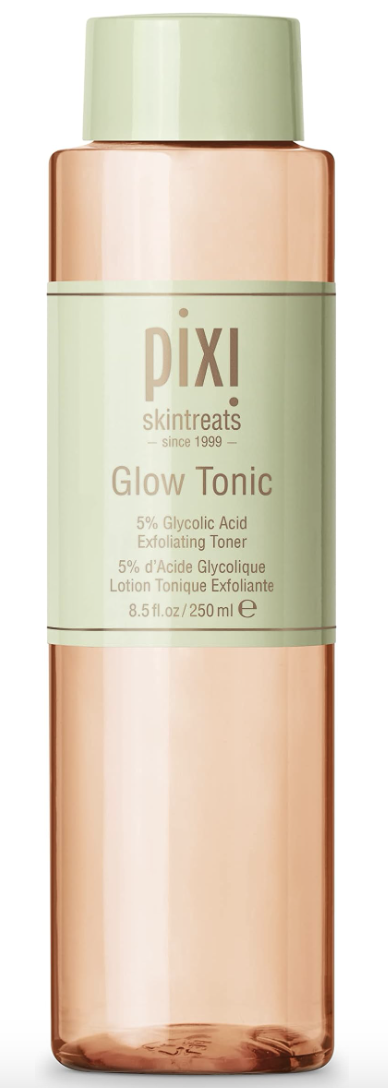
Product Pick #1: Pixi Glow Tonic (5% Glycolic Acid)
A long-standing favorite for beginners. Its gentle concentration and soothing botanicals make it a mild introduction to AHAs.
Pixi Glow Tonic (5% Glycolic Acid)

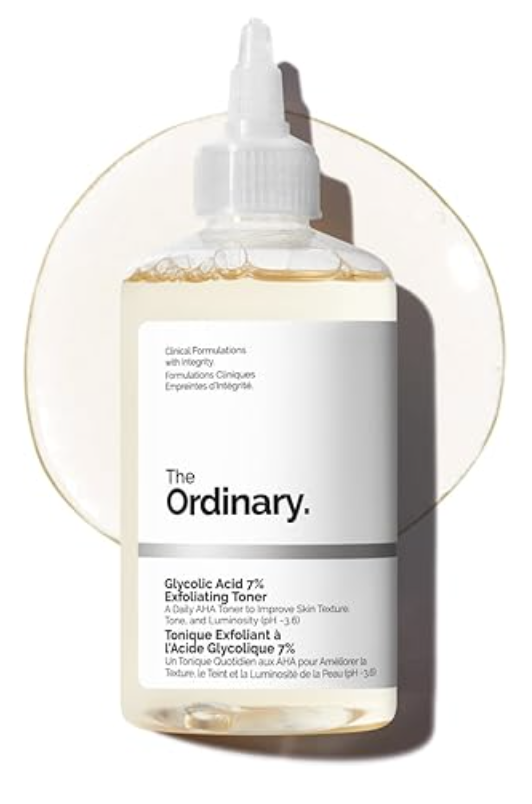
Product Pick #2: The Ordinary Glycolic Acid 7% Toning Solution
Affordable, straightforward, and dependable. Best for those already comfortable with low-percentage acids and ready for a slight step up.
The Ordinary Glycolic Acid 7% Toning Solution
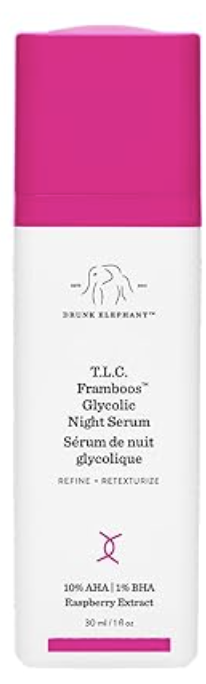
Product Pick #3: Drunk Elephant T.L.C. Framboos Glycolic Night Serum
A more advanced formula blending glycolic with lactic, salicylic, and tartaric acids. Great for experienced acid users seeking polished, refined skin.
Drunk Elephant T.L.C. Framboos Glycolic Night Serum
Glycolic Acid Do’s & Don’ts
Start slowly. Two to three nights per week is sufficient for most skin types, with frequency increased only if your skin clearly tolerates it. Sunscreen is nonnegotiable: glycolic acid heightens photosensitivity, making a broad-spectrum SPF 30 or higher a daily requirement. Pair it with barrier-supporting ingredients like niacinamide, peptides, and ceramides to reinforce resilience and keep irritation in check.
Avoid using glycolic acid alongside retinoids in the same routine unless guided by a dermatologist; alternating nights is the smarter approach. Never apply it to compromised, freshly shaved, sunburned, or irritated skin, and resist the temptation to chase higher percentages—stronger isn’t inherently better, just more disruptive.
When to Expect Results
Most people begin to see subtle shifts fairly quickly: increased radiance within the first one to two weeks, a smoother, more refined texture by around four weeks, and gradual improvement in discoloration between eight and twelve weeks. The timeline isn’t about dramatic overnight change—it’s about steady progress. With glycolic acid, consistency always outperforms intensity, delivering better results with far less disruption.
How to Build a Routine Around Glycolic Acid
Building a routine around glycolic acid is less about complexity and more about calibration. For beginners, two to three nights per week is enough: cleanse, apply a glycolic acid toner, then follow with a moisturizer to restore balance. As tolerance improves, an intermediate routine can stretch to three or four nights weekly, layering a toner or glycolic serum after cleansing, followed by a hydrating serum—such as niacinamide or hyaluronic acid—before sealing everything in with moisturizer.
More advanced users benefit from restraint rather than excess, alternating glycolic acid nights with retinoid nights rather than combining them. This deliberate rotation supports steady resurfacing while giving the skin barrier essential recovery time, preventing irritation without sacrificing results.
The Takeaways
Glycolic acid is powerful, elegant, and incredibly effective when used with intention. The key is respecting its strength—start low, go slow, buffer when needed, and always shield your skin with sunscreen. Done right, it rewards you with a new level of clarity and radiance.
This is not medical advice. If you have underlying skin conditions, persistent irritation, or unique concerns, consult a dermatologist before adding glycolic acid to your regimen.
Some of the products featured here may contain affiliate links, meaning we may earn a small commission at no extra cost to you. All recommendations are based on personal use, stylist feedback, or product performance.
Cover Image Credit: @chantellekemkemian