In a beauty landscape saturated with buzzy ingredients and fleeting trends, it takes something truly fundamental to cut through the noise. Enter NAD+—short for nicotinamide adenine dinucleotide—a molecule that feels less like a trend and more like a quiet reset for how we think about skin health. You won’t find NAD+ marketed as a quick fix or an overnight miracle. Instead, it operates at the cellular level, working behind the scenes to influence how skin ages, repairs, and sustains itself over time.
What makes NAD+ so compelling is that it isn’t new. It has been studied for decades in longevity science and cellular biology. What is new is its migration into skincare—and the growing understanding that supporting NAD+ levels may be one of the most future-facing ways to care for skin. As beauty moves away from surface-only solutions and toward long-term skin function, NAD+ is becoming part of the modern skincare vocabulary, joining staples like retinoids, vitamin C, and peptides.
What Is NAD+?
NAD+ is a coenzyme found naturally in every living cell of the body. Its primary role is to support cellular energy production, DNA repair, and overall cell communication. Without adequate NAD+, cells struggle to perform efficiently, especially when exposed to stress. In skin, that inefficiency shows up as dullness, loss of elasticity, slower healing, increased sensitivity, and a general feeling that skin doesn’t recover the way it once did.
The challenge is that NAD+ levels decline with age. This process begins earlier than most people realize—often in the mid-to-late twenties—and is accelerated by UV exposure, pollution, inflammation, poor sleep, and chronic stress. Because skin is constantly exposed to environmental aggressors, it is particularly vulnerable to this decline. Supporting NAD+ in skin, therefore, isn’t about reversing time, but about preserving skin’s ability to function well as time passes.
What NAD+ Means in Skincare
In topical skincare, NAD+ is not about forcing energy into the skin. Instead, it is about supporting the skin’s internal systems that maintain and regenerate NAD+. This can be done through stabilized NAD+ complexes, advanced delivery systems, or precursor ingredients that help the skin synthesize NAD+ more efficiently.
What this means in practice is skincare that focuses on strengthening skin at its foundation. NAD+-focused formulas aim to improve how skin cells respond to stress, how quickly they repair damage, and how well they maintain the barrier. Rather than targeting a single concern like fine lines or uneven tone, NAD+ works more holistically, improving the overall quality and resilience of the skin over time.
This approach aligns with a broader shift in beauty: away from aggressive correction and toward intelligent maintenance. Healthy, energized skin tends to look smoother, brighter, and firmer naturally, without needing to be overtreated.
Why NAD+ Isn’t Just Another Trend
Trends are usually driven by novelty. NAD+ is driven by necessity.
Unlike ingredients that rise and fall based on aesthetics or social media cycles, NAD+ is rooted in human biology. Its relevance extends far beyond skincare into longevity research, metabolic health, and age-related studies. Skincare is simply one expression of a much larger scientific conversation.
As consumers become more educated, there is growing interest in ingredients that support skin health long-term rather than deliver instant but temporary results. NAD+ fits seamlessly into this mindset. It doesn’t promise dramatic overnight change. Instead, it supports skin function quietly and consistently, which is exactly how meaningful skin improvement tends to happen.
Much like hyaluronic acid became a permanent fixture once hydration was understood as foundational, NAD+ is on a similar trajectory. As awareness grows, it will feel less like an innovation and more like a requirement.
NAD+ and Niacinamide: How They’re Connected
NAD+ often enters the skincare conversation alongside niacinamide, and for good reason. Niacinamide, a form of vitamin B3, is a direct precursor to NAD+. Through natural biochemical processes, skin cells can convert niacinamide into NAD+, making it one of the most effective and well-researched ways to support NAD+ levels topically.
This is why many NAD+-focused products still include niacinamide as a core ingredient. Others use more advanced NAD+ complexes or paired technologies designed to stabilize and deliver NAD+-supporting molecules more efficiently. Rather than replacing niacinamide, NAD+ expands its role, reframing it as part of a broader cellular support system rather than a standalone multitasker.
What to Look For in NAD+ Skincare
When evaluating NAD+-focused skincare, formulation matters more than marketing language. Because NAD+ is delicate and deeply tied to cellular processes, it works best when supported by a thoughtfully balanced formula.
Look for products that combine NAD+ or NAD+-supporting complexes with ingredients that reinforce the skin barrier and reduce oxidative stress. A strong barrier reduces cellular strain, allowing skin to maintain higher NAD+ levels naturally. Antioxidants further protect against environmental damage that rapidly depletes NAD+ in skin cells.
Equally important is gentleness. NAD+ skincare is designed for consistent, long-term use. Products that are overly harsh, overly fragranced, or aggressively exfoliating can undermine the very cellular health NAD+ is meant to support.
How to Add NAD+ Into Your Routine
Incorporating NAD+ into a skincare routine doesn’t require starting from scratch. It works best when layered into a routine that already prioritizes barrier health and daily protection.
After cleansing with a gentle, non-stripping cleanser, a NAD+-focused essence or serum can be applied to clean skin. This step is where cellular-supporting ingredients are most effective, as they can penetrate without interference from heavier creams. Moisturizer follows to reinforce the barrier and seal in hydration, creating an environment where skin can recover and regenerate more efficiently.
Daily sunscreen is essential. UV exposure is one of the fastest ways to deplete NAD+ in skin cells, so protection is a critical part of maintaining its benefits. NAD+ products also pair well with actives like retinoids and peptides, often helping skin tolerate them better by improving recovery and reducing inflammation.
Our Favorite NAD+ Products
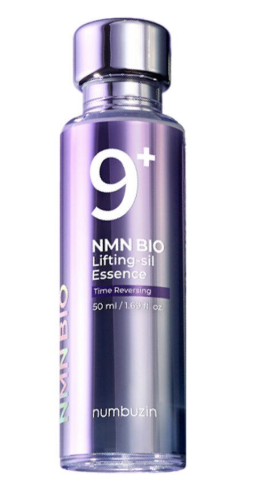
Numbuzin No.9 NAD+ Bio Lifting-sil Essence is a standout for those interested in visible skin vitality and firmness without heaviness. This essence focuses on skin energy and elasticity, using NAD+ alongside supportive ingredients that enhance absorption and resilience. Its lightweight, silky texture makes it ideal for layering, especially for skin that feels tired, slack, or stressed from environmental exposure.
Numbuzin No.9 NAD+ Bio Lifting-sil Essence

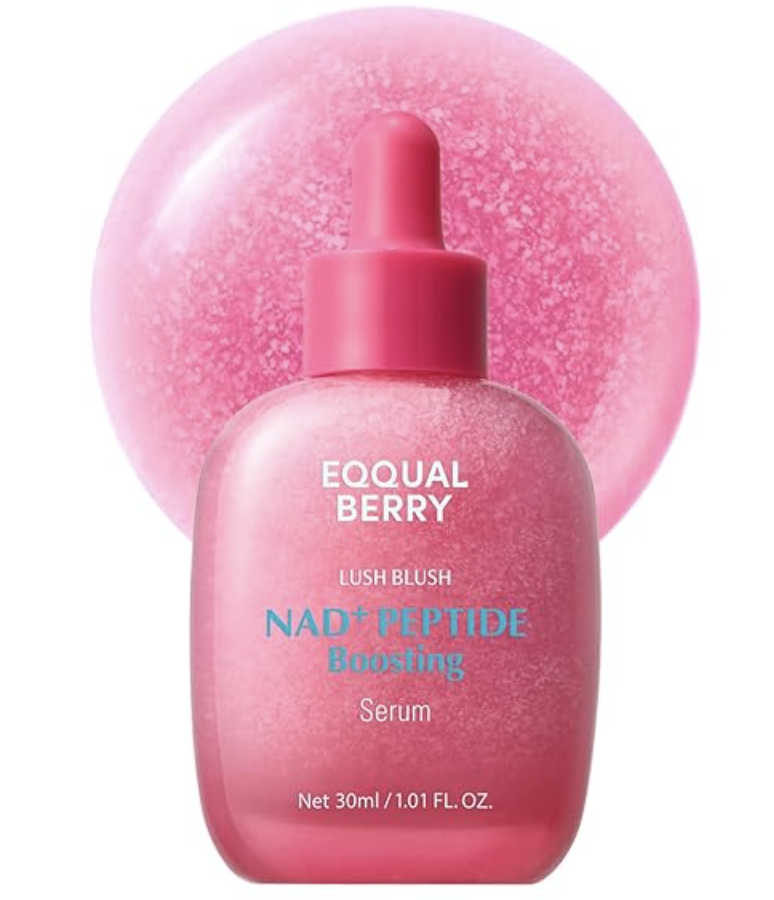
EQQUALBERRY NAD+ Peptide Boosting Smoothie Serum takes a more cushiony, nourishing approach. Combining NAD+ with peptides, this serum is designed to support skin repair, smooth texture, and reinforce the skin barrier while maintaining a plump, healthy finish. It works particularly well for skin showing early signs of aging or for anyone looking to future-proof their routine with a formula that supports long-term skin strength.
EQQUALBERRY NAD+ Peptide Boosting Smoothie Serum
The Future of NAD+ in Skincare
As skincare continues to intersect with science and longevity, NAD+ represents a shift in how we define anti-aging. The focus is no longer solely on erasing lines or perfecting texture, but on improving how skin functions at a cellular level.
NAD+ doesn’t promise flawlessness. It promises endurance. In a beauty era increasingly defined by vitality, resilience, and authenticity, that promise carries real weight.
NAD+ isn’t an ingredient you cycle through. It’s a concept you build around. Quiet, intelligent, and deeply rooted in biology, it’s already shaping the future of skincare—and soon, it will feel impossible to imagine a modern routine without it.
Some of the products featured here may contain affiliate links, meaning we may earn a small commission at no extra cost to you. All recommendations are based on personal use, stylist feedback, or product performance.